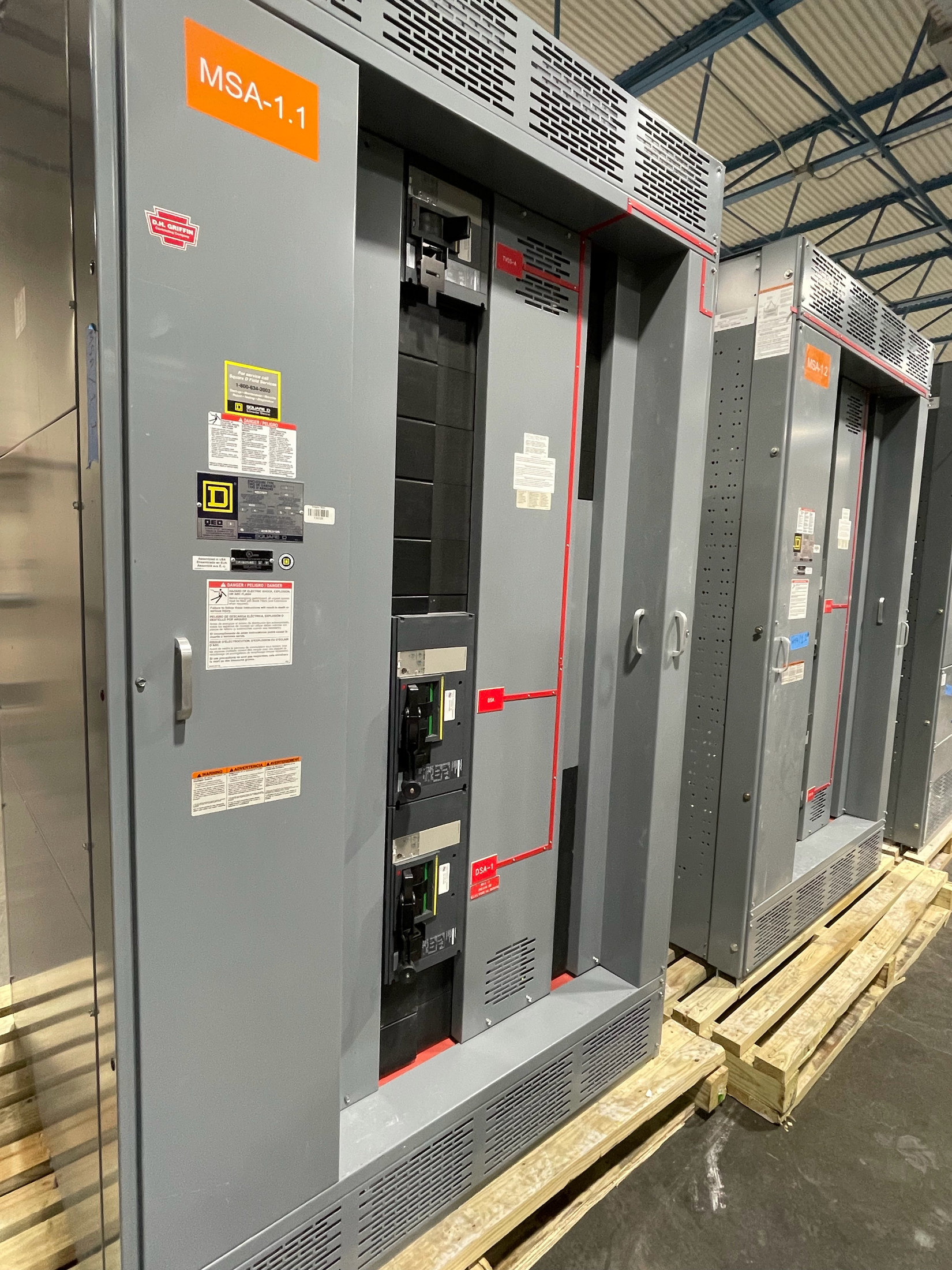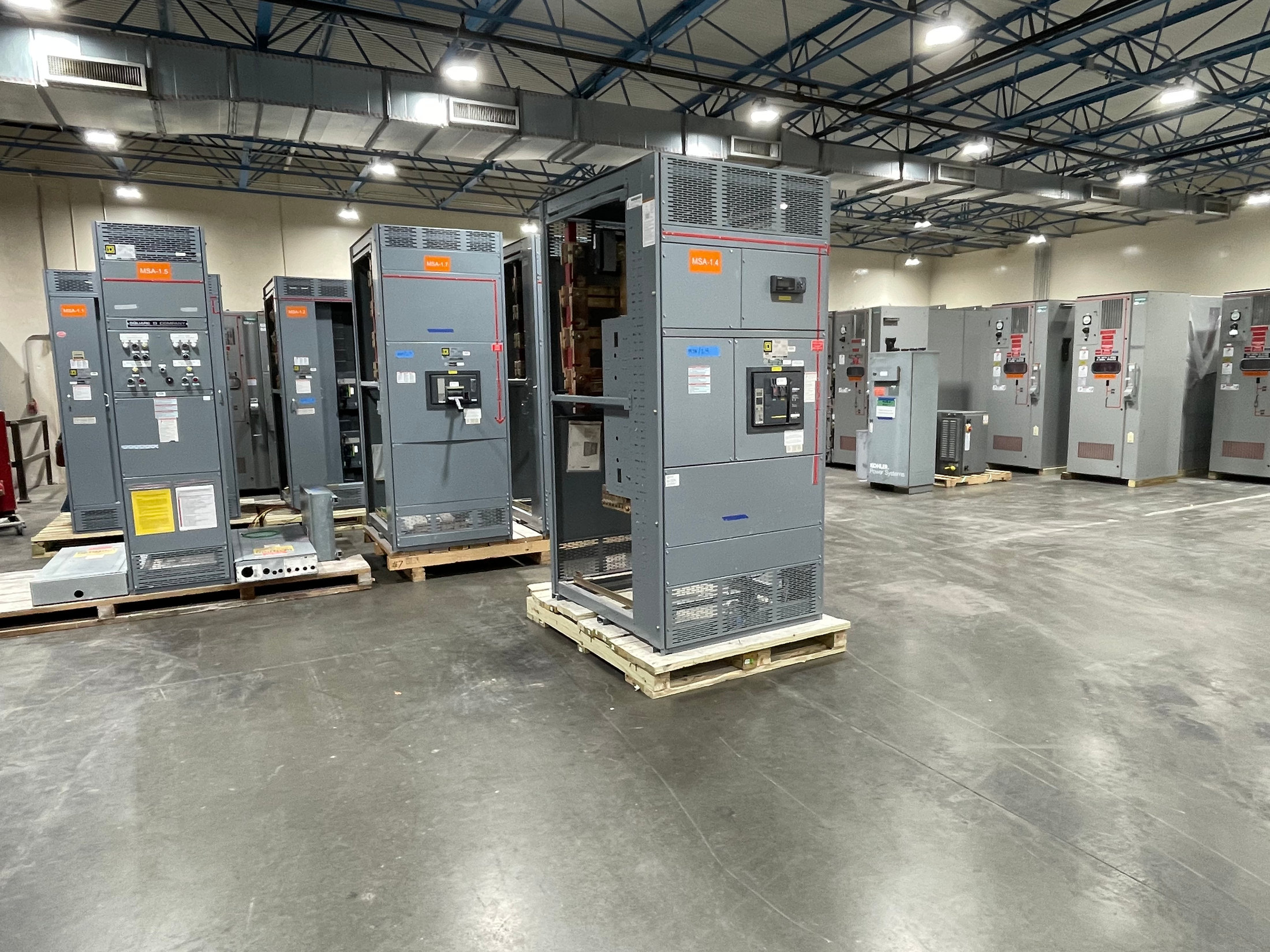
Start With the Inventory You Can Identify
For an Adams County switchgear inquiry, begin with a practical inventory rather than waiting for a complete equipment file. Note what is already known: equipment type, visible nameplate information, approximate quantity, and whether the gear is associated with an operating property, a planned shutdown, or a completed decommissioning. This first pass helps a property owner, contractor, or facilities team decide what information is available and what questions remain before discussing a sale.
Incomplete records do not automatically prevent an inquiry. For example, a buyer may receive a description based on nameplates that are partly legible while drawings, maintenance files, or original purchase records are missing. Share the details that can be read and identify which fields are uncertain instead of filling gaps with guesses. If photos or labels are already safely accessible, they can help describe the inventory; no one should open or approach equipment to obtain them.
Separate Known Details From Open Questions
A concise inventory can distinguish confirmed facts from items that still need review. Record readable nameplate text as written, mark any characters that cannot be made out, and list descriptions provided by existing records separately from visual observations. It can also help to group equipment by its apparent role or physical grouping without asserting an exact configuration that the available information does not establish. This gives the buyer a clearer basis for asking focused follow-up questions.
When documents are incomplete, avoid treating an old schedule or partial label as definitive evidence of every component. A property owner might have a list of switchgear sections but no corresponding drawings; a contractor might have a removal scope without a complete equipment register. Explain what each document covers, when it was prepared if that is known, and what is absent. Uncertainty stated plainly is more useful than an unsupported specification or an assumed equipment match.
Build a Useful Inquiry Without Reconstructing the File
An inquiry can move forward with the inventory, its known gaps, and the seller’s basic timing or disposition context. Include any existing information about quantity, readable identifiers, and whether the equipment is still in place or already removed, if those facts are known. You do not need to recreate missing records, commission testing, or determine technical compatibility to ask about a potential sale. The aim is to describe what is available, not to certify the equipment or resolve every uncertainty in advance.
The buyer can review the information provided and ask about points that affect understanding of the actual equipment. If a label cannot be read or a record conflicts with another, flag the conflict rather than choosing one version. A facilities team can coordinate the information it already holds, while a contractor or property owner can explain the scope of its role. The sale proceeds only if the seller and buyer agree on the equipment and offer; an inquiry does not guarantee an offer for every item.
Use a Clear Decision Process
Once the inventory is assembled, the decision process is straightforward: share the available description, clarify which details are incomplete, review the cash offer if one is made, and decide whether the proposed sale works for the seller. Offer amounts depend on the actual equipment, so the description and any safely accessible information matter. The seller can compare the proposed transaction with its own plans for the property and choose whether to agree, without first arranging seller-side testing or physical removal work.
This approach is useful across Adams County for different seller roles. A property owner may control the equipment and authorize a sale; a contractor may be coordinating a project; a facilities team may hold the surviving records. Confirm who has authority to approve the transaction and who can provide existing information. That clarification helps avoid confusion between the person answering inventory questions and the party empowered to agree to a sale, particularly when records are spread across several project participants.
Payment and Removal Responsibilities
For equipment the buyer agrees to purchase, the terms include a cash offer and payment upfront before pickup. The seller does no testing. We handle all rigging and logistics, including cranes, rigging, disconnects, loading, freight, and hauling; the seller does nothing but get paid. The seller does not handle or arrange that physical work. These terms let an owner, contractor, or facilities team consider the sale without treating incomplete documentation as a reason to take on additional equipment preparation.
The buyer purchases switchgear across all voltage classes. That does not mean every described item will necessarily receive an offer: the actual equipment is reviewed, an offer depends on what it is, and a sale requires agreement. Sellers should provide only information they already have and can share, including photos or labels only when safely accessible. Access remains under the control of the owner or qualified personnel; do not open equipment or perform work to gather information for an inquiry.
Countywide Service for Decommissioned Equipment
Adams County sellers can inquire about switchgear from a range of disposition situations, including property changes, project closeouts, and facility decommissioning. The buyer also buys switchgear from decommissioned data centers and shut-down power plants. In each case, an inventory-first conversation helps establish what equipment is actually being considered, what information supports its identification, and which records are unavailable, without implying a connection to any equipment manufacturer or utility.
Before proceeding, keep the decision focused on the equipment and the agreed transaction: provide known inventory details, disclose documentation gaps, review any cash offer, and approve a sale only if both sides agree. Payment is made upfront before pickup, and the buyer handles the rigging and logistics through hauling. No seller testing is required. This process gives Adams County property owners, contractors, and facilities teams a practical way to evaluate an inquiry even when nameplates are incomplete and supporting records are not.