Selling Electrical Equipment After a Mining-Facility Wind-Down
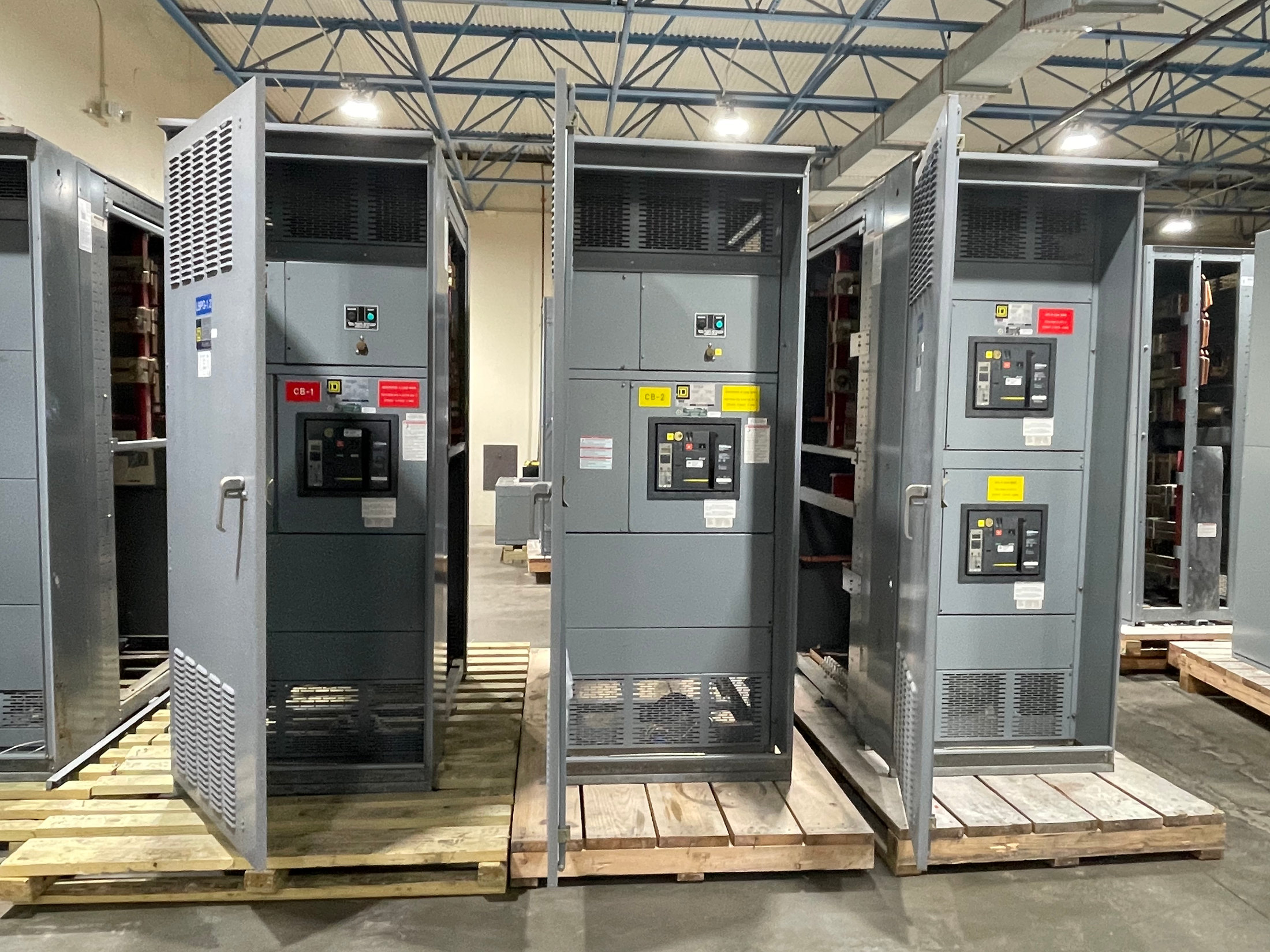
When a Bitcoin-mining operation winds down or replaces electrical infrastructure, the remaining equipment may include distribution gear, transformers, and other electrical equipment associated with mining operations. If you are deciding what to sell, start by identifying what is actually available: a single surplus unit, several related pieces, or a complete equipment lot. The buyer purchases used, surplus, and decommissioned electrical distribution equipment in Pennsylvania.
A contractor accounting for leftover equipment after a replacement project might find that the inventory spans multiple rooms, records, or equipment categories. You do not need to resolve every technical question before discussing a sale. Share what is known and distinguish confirmed items from uncertain descriptions; the buyer can consider the information and make a cash offer based on the actual equipment. A sale proceeds only if you agree to the offer.
Choose Between One Unit and a Complete Lot
An individual unit can be the clearest choice when one identifiable piece is available and the rest of the facility equipment is staying in service, has another disposition, or is not part of the sale. Describe that item on its own rather than implying that associated equipment is included. If you have an existing inventory entry or a safely accessible nameplate photo, it can help clarify which unit you mean without requiring new access or inspection by you.
A complete lot may make more sense when multiple pieces are being released together and you can describe their scope as a group. List known categories and approximate counts where available, and note what is included or excluded so the offer can reflect the lot rather than an assumed facility-wide package. A lot does not have to be presented as one uniform system: identify transformers, distribution equipment, or mining-adjacent electrical gear separately when the records support those descriptions.
Describe Mining-Adjacent Gear Precisely
Mining facilities can contain electrical equipment alongside equipment used for computing, cooling, or other operations. Keep the sale description focused on electrical distribution equipment and transformers, and label mining-adjacent gear only when its identity is known. Avoid grouping unrelated machinery under a broad electrical-equipment label; a precise description helps the buyer understand what is being offered and whether the items should be considered individually or together.
Where equipment identification is incomplete, use the wording in existing records and flag uncertainty instead of guessing at a manufacturer, model, rating, or function. The buyer purchases equipment across all voltage classes and requires no seller testing. You are not expected to establish operating condition through tests or to infer compatibility from the facility’s former use. A description of known facts is more useful than an unsupported technical conclusion.
Make Documentation Useful to the Offer
Documentation can connect an equipment description to the right item or lot. Helpful material may include an existing inventory, project closeout list, equipment schedule, or records that identify what remained after replacement. When available, note whether a document covers the entire proposed lot or only selected units. This distinction matters: a list of a few recorded pieces should not be mistaken for a complete account of everything being offered.
You may provide records, labels, or photos that are already safely accessible, but you do not need to create new access or conduct an inspection for the sale. If the contractor’s accounting is still being reconciled, say what has been confirmed and what remains uncertain. Clear boundaries prevent confusion about quantities, included components, and whether an item is part of the single-unit offer or the larger lot.
Pickup, Rigging, and Payment Terms
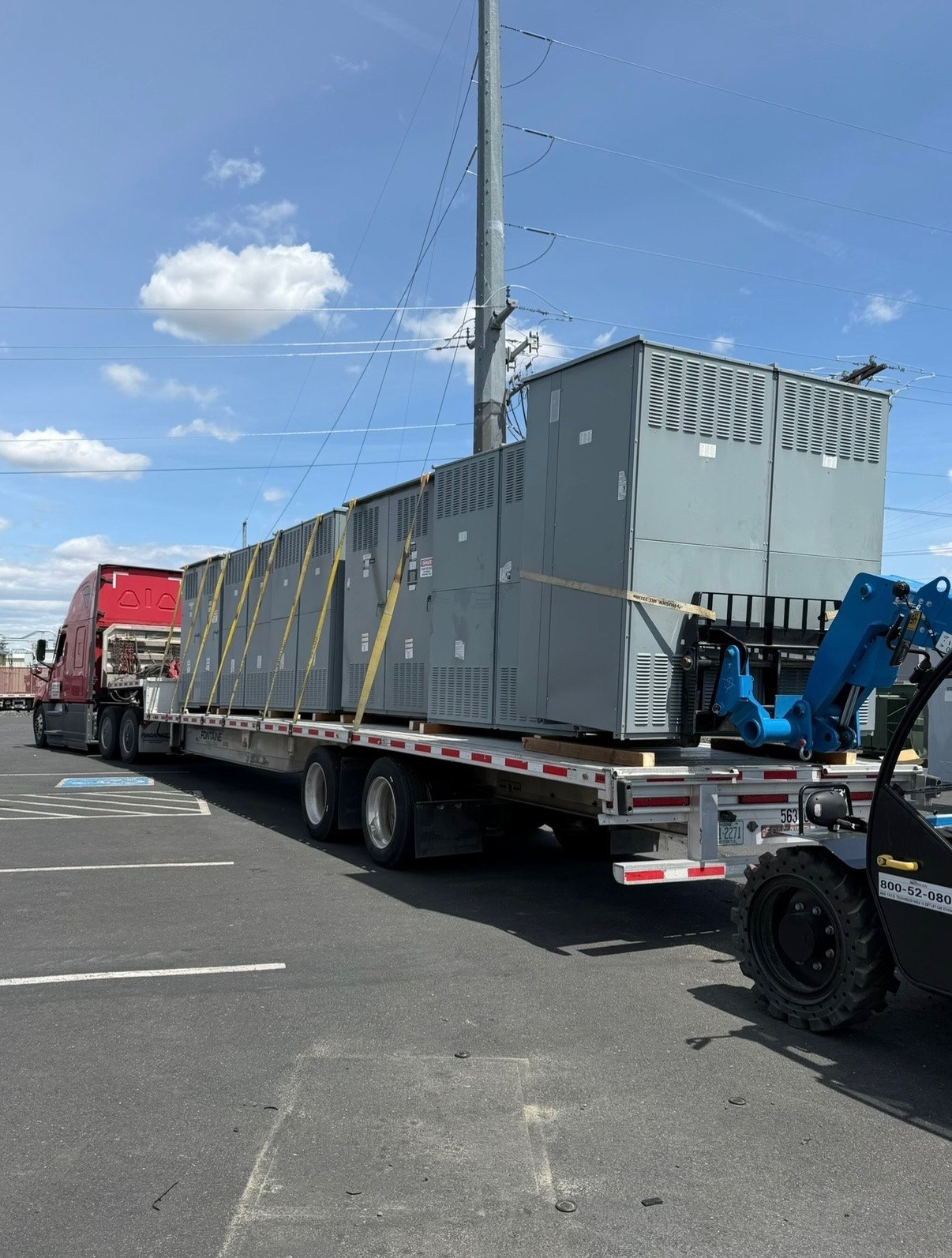
The buyer makes a cash offer, and payment is made upfront before pickup. The buyer handles all rigging and logistics, including cranes, rigging, disconnects, loading, freight, and hauling. The seller does nothing but get paid; the seller does not arrange or perform the physical work. No seller testing is required, so a contractor can discuss leftover equipment without first commissioning tests as a condition of making an inquiry.
Owners or their qualified personnel control equipment access, and you should share only information or images already safely accessible. Once the proposed equipment and the buyer’s offer are understood, you decide whether to accept; an offer amount depends on the actual equipment and agreement is required to complete a sale. This keeps the decision focused on what is included, what is documented, and whether the proposed terms work for you.
Related Decommissioned Equipment Purchases
Bitcoin-mining wind-downs are one source of surplus distribution equipment, but the buyer also buys switchgear from decommissioned data centers and shut-down power plants. That broader purchasing scope can be relevant when a contractor is accounting for electrical equipment across more than one project or disposition category. It does not mean every item at a mining facility qualifies as distribution equipment, so identify each offered item accurately and separate unrelated assets.
If you are weighing a single unit against a complete lot, make that choice explicit in the description and use existing records to define the scope. You can present one clearly identified piece, a defined group, or a broader lot whose contents are documented as far as they are known. The buyer will consider the actual equipment and make a cash offer; you remain free to accept or decline, with payment upfront before pickup and logistics handled by the buyer.