Set the Sale Boundary Before the Shutdown Moves Forward
A steel mill shutdown can leave a mixed distribution inventory: switchgear, breakers, transformers, motor control equipment, and other electrical assets tied to production areas, support systems, or spare capacity. If you are the operations manager defining a sale, start by identifying which equipment is included—not by assuming every item in a room or lineup belongs in the same lot. A clear boundary helps separate sale assets from equipment retained for another purpose.
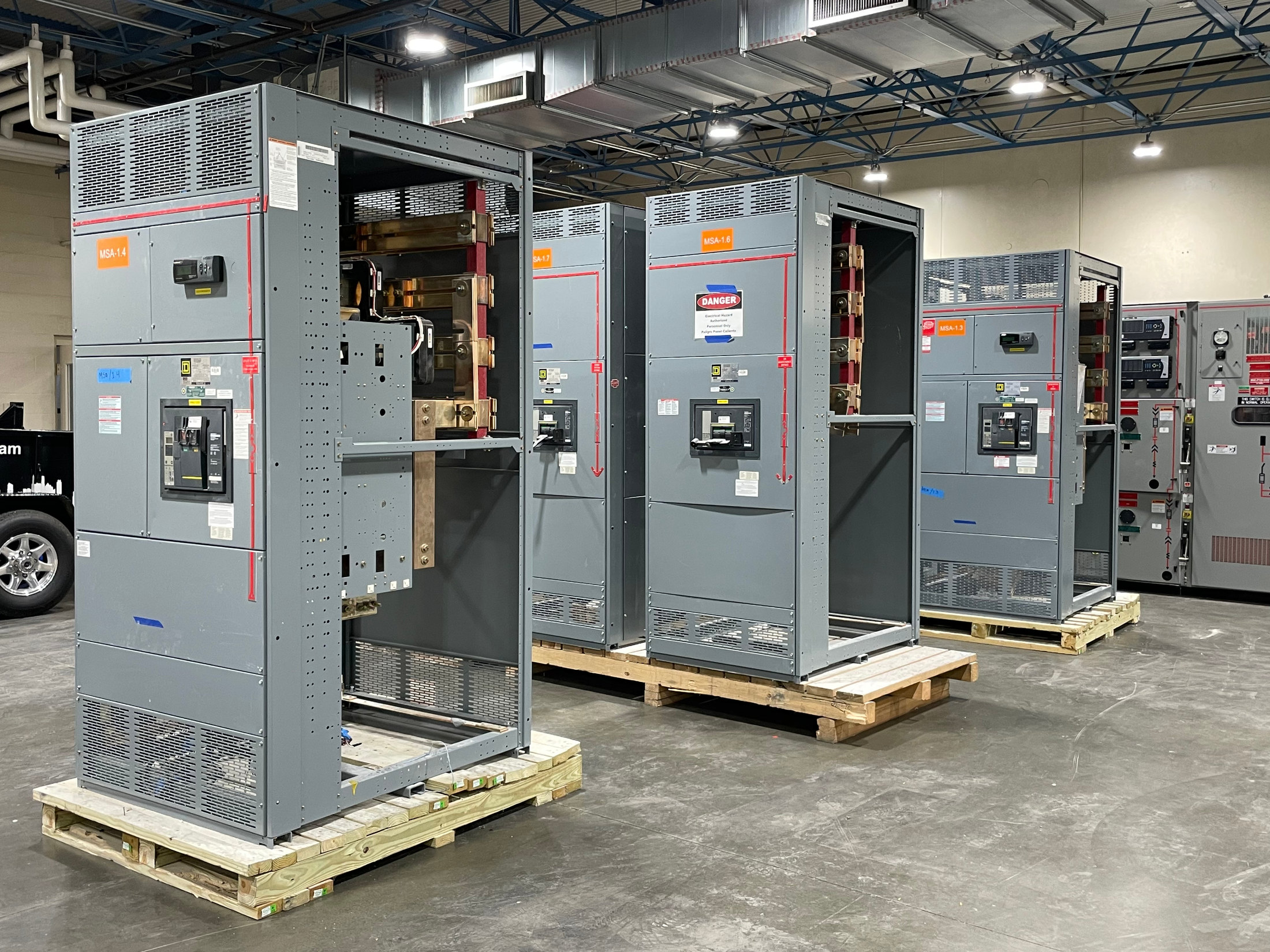
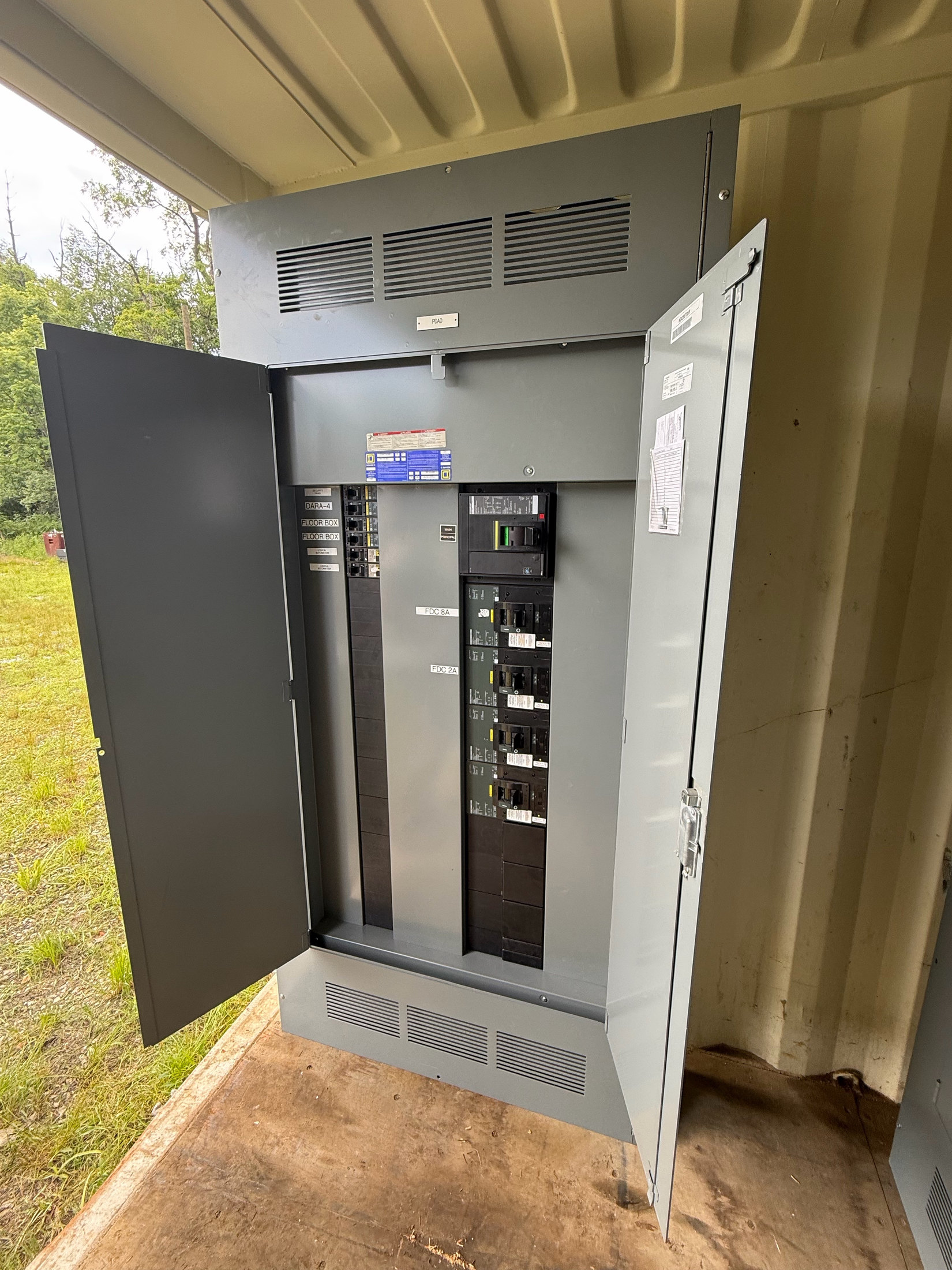
We buy used, surplus, and decommissioned electrical distribution equipment from steel mill shutdowns. The purchase can cover an agreed group of assets or selected items, depending on the equipment and the scope you approve. We also buy switchgear from decommissioned data centers and shut-down power plants. We buy all voltage classes, and no seller testing is required to present equipment for consideration.
Separate Equipment at the Mill from Stored Inventory
A shutdown inventory may span two very different settings: equipment still installed at the facility and items already moved into a warehouse, laydown area, or other storage location. Keep those groups distinct in the sale discussion. For each, identify what is included, where it is located, and whether it remains associated with production, utilities, or a designated spare-parts pool. This prevents a stored spare from being confused with an installed asset—or the reverse.
Location and status are useful details, but they do not require you to prepare equipment for pickup. For items already safely accessible, you can share existing labels, records, or photos if available. For equipment that remains installed or behind controlled access, you and your qualified personnel determine what access is permitted. We coordinate logistics around the agreed scope; the seller does not disconnect, dismantle, load, or arrange a carrier.
Describe the Production Context and Lot Scope
A list is more useful when it explains how the equipment fits into the mill’s production environment. For example, distinguish distribution serving a production line from equipment associated with a building, utility area, or standby inventory. Note whether a proposed lot includes complete lineups, individual components, or a combination. If an asset is excluded, say so plainly. These distinctions give us a basis to discuss the actual equipment rather than treating a shutdown as one undifferentiated clearance.
You do not need to resolve every technical question before beginning a sale conversation. Share the information already available and identify any uncertainty in the boundary, such as a lineup with retained sections or stored equipment assigned to another department. We can review the described assets and make a cash offer based on the actual equipment. A sale proceeds only if you agree to the offer and scope; an inventory description is not a promise that every listed item will receive an offer.
Coordinate Access Without Taking on the Physical Work
Shutdown sites can have separate access arrangements for operating areas, closed production spaces, and off-site storage. The facility’s owners or qualified personnel control access and determine what can be made available for coordination. Tell us which locations are part of the proposed lot and what access process applies. That lets pickup planning account for the agreed assets and site coordination, without asking you to perform electrical work or prepare equipment for removal.
We handle all rigging and logistics, including cranes, rigging, disconnects, loading, freight, and hauling. These responsibilities are on us, not the seller. You do not have to hire a rigging contractor, arrange transportation, or coordinate the physical removal yourself. Once the sale scope is agreed, we coordinate the work with the people authorized to manage site access. The seller’s role is to agree on what is being sold and get paid.
Keep Retained Assets and Sale Assets Distinct
In a staged shutdown, equipment can remain in place while other assets have already been transferred to storage or set aside for continued use. Marking the sale boundary by asset and location helps prevent confusion when a lot combines installed distribution equipment with stored inventory. If only part of a larger group is for sale, describe that division using the information your organization already has; do not assume the adjacent equipment is included simply because it is physically nearby.
This distinction also matters when several teams have responsibility for different areas or inventories. A manager can identify the decision-maker for each proposed group and confirm internally whether the assets are available for sale. We can then discuss a defined scope and make an offer based on the equipment presented. Payment is upfront before pickup, so agreed sale proceeds are paid before the scheduled removal rather than after the equipment leaves the facility.
A Direct Sale Process for a Shutdown Inventory
To begin, outline the equipment you are considering, separate items at the mill from those stored elsewhere, and note any known lot boundaries or access coordination needs. Existing records, labels, or photos may help when they are already safely accessible, but no seller testing is required. Do not open, energize, or dismantle equipment for the sale discussion; access and any site activity remain under the control of the owners or their qualified personnel.
We review the available information, discuss the actual assets, and make a cash offer where appropriate. If you accept and agree on the sale scope, payment is made upfront before pickup. We cover freight and handle the full physical logistics, including cranes, rigging, disconnects, loading, and hauling. Your facility team does not arrange or perform that work. The process is intended to let a shutdown manager define what is being sold while leaving removal logistics to us.