Start with the campus-wide picture
A campus closure rarely leaves one neat electrical-equipment lot. Cabinets may be grouped in a central electrical room, while separate components sit in other buildings, service areas, or storage spaces. Before discussing a sale, build a working picture of what remains and where it is. The goal is not to conduct a technical inspection; it is to help the buyer understand the scope, equipment types, and practical pickup locations.
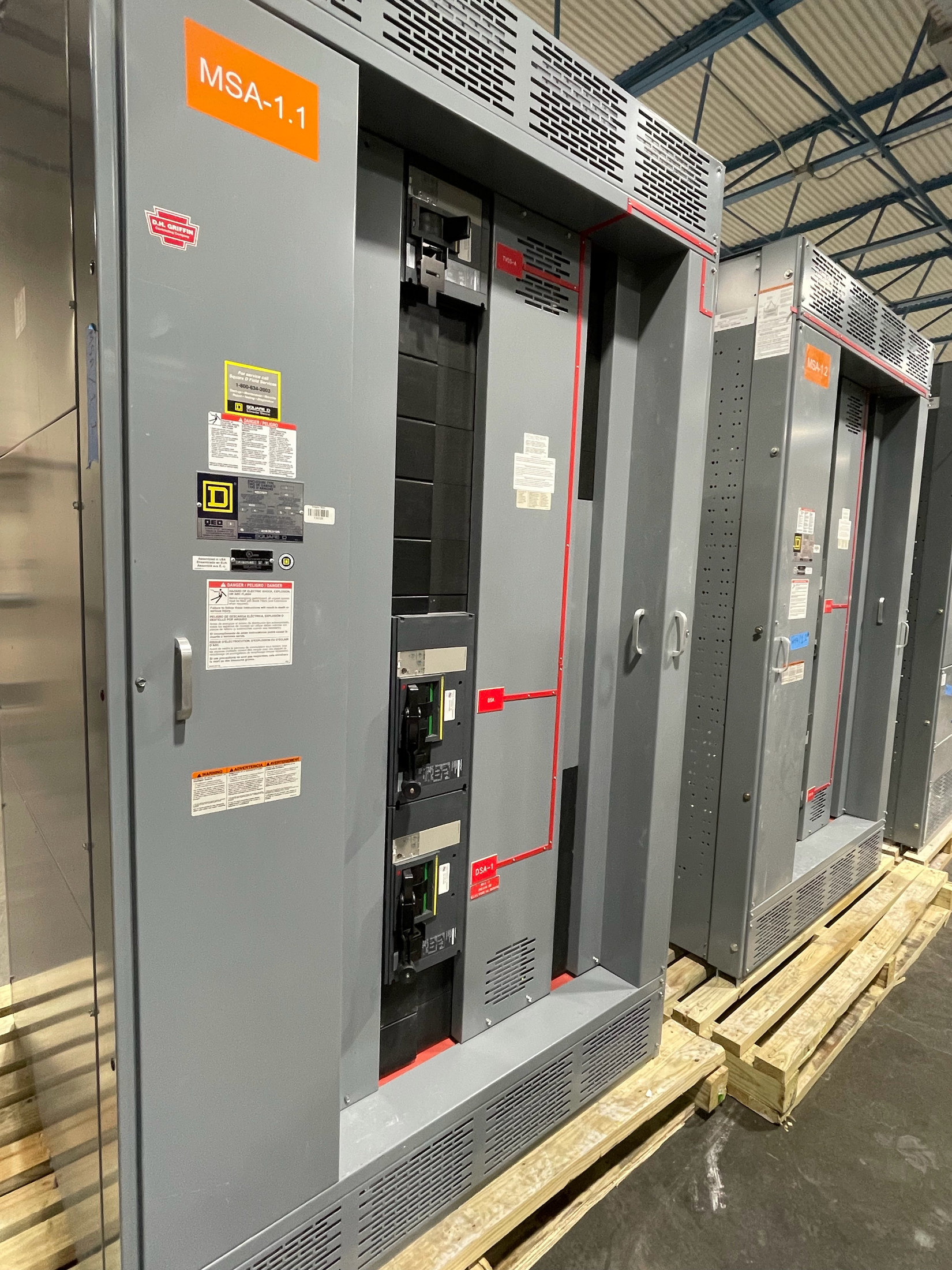
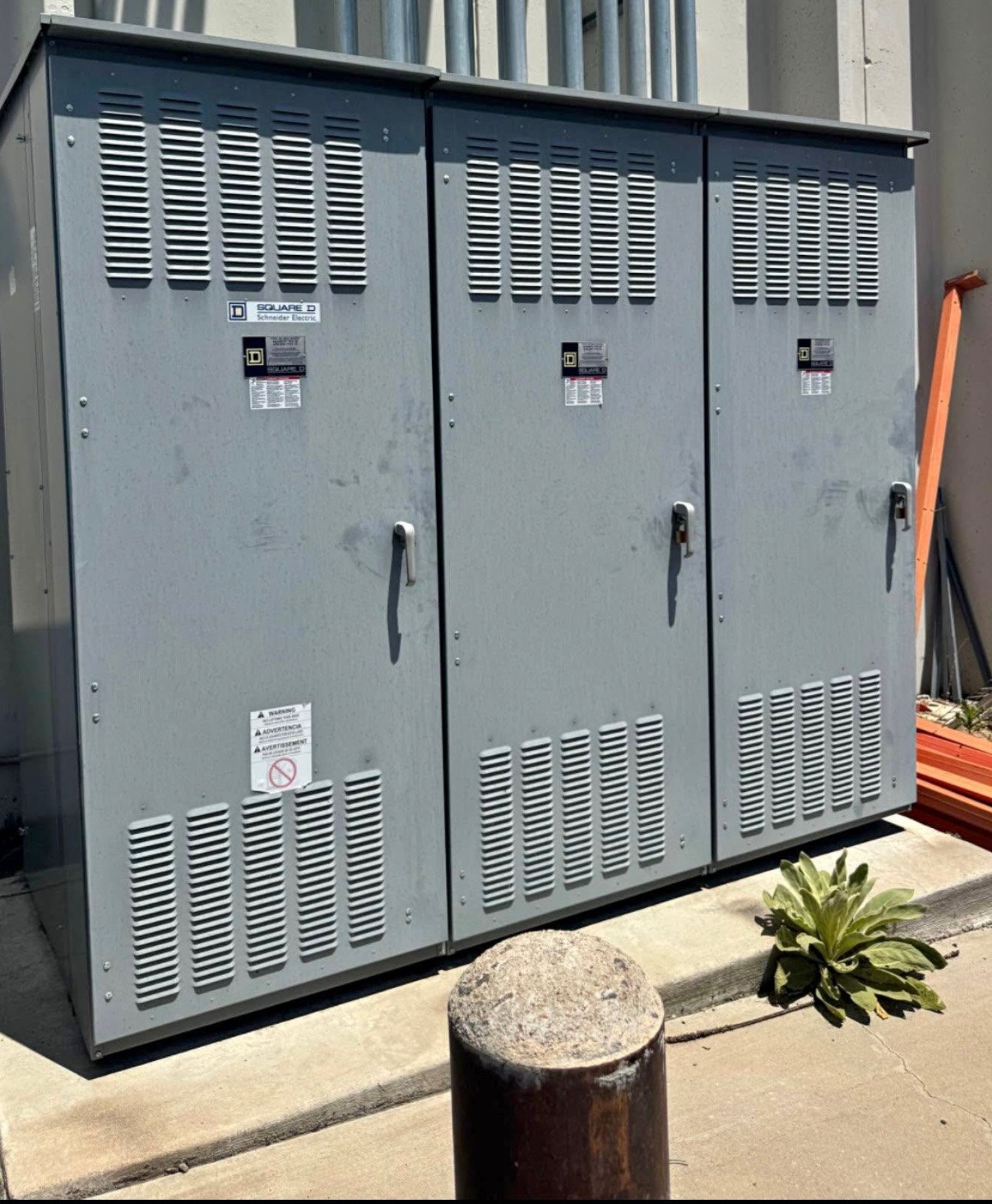
A site team might describe a mix of cabinets and separate components, with some items identified by labels and others known only by the room or building where they were found. Keep those distinctions in the inventory rather than forcing every item into a single category. Record building or area, a plain-language description, quantity when known, and whether the item is part of a larger assembly or separate equipment. That simple structure helps keep a multi-building discussion organized.
Group the inventory without overcomplicating it
For a first pass, group equipment by recognizable type and location. Separate switchgear cabinets from other cabinets, and list loose or standalone components in their own lines. If a group includes several similar-looking items, show the count only when someone has been able to establish it reliably. If the count is uncertain, say so. A useful inventory is an honest snapshot, not a promise that every item has been identified or counted.
Use consistent names across the list, but preserve uncertainty where it exists. For example, a team could note “cabinet, electrical room, Building A” and “separate component, storage area, Building C,” then add a visible label or description if one is already safely accessible. Do not guess at a rating, function, or relationship between parts. Photos and labels can help clarify a discussion when they are already safely accessible; the seller does not need to open, test, energize, or dismantle anything.
Make ownership clear before discussing a sale
A campus closure can involve property controlled by different departments, building owners, tenants, or other parties. Confirm who has authority to sell each group before combining it into one proposed transaction. If one organization controls the cabinets but another controls separate components, identify that division early. Clear ownership helps avoid confusion about which equipment is included and who can approve the sale; the buyer should not be asked to assume that everything remaining on campus belongs to one seller.
Keep the inventory’s ownership notes practical: identify the responsible organization or decision-maker for each group and flag items whose ownership is unresolved. Also distinguish equipment included in the sale from items that must remain, are already committed elsewhere, or are not yet cleared for disposition. This is especially useful when several buildings are being closed on different schedules. A clear scope gives both sides a shared reference before agreeing on which equipment is being sold.
Share the details that help coordinate the offer
When you discuss the inventory, explain the equipment types, quantities if known, building or area locations, and any visible identifying information already available. Mention whether items are grouped together or spread across separate spaces, and note any known limits on access or pickup timing. You do not need to create a technical dossier. Accurate, basic information gives the buyer a way to understand a campus-wide group without treating every cabinet or component as interchangeable.
The buyer makes cash offers based on the actual equipment, and a sale proceeds when both sides agree on the equipment and terms. An offer should correspond to a defined group rather than an unclear campus-wide label. If the scope changes—for example, a building’s inventory is added or a component is removed—update the list so the proposed sale stays aligned with what the seller is authorized to transfer. No seller testing is required.
Plan one coordinated removal scope
A multi-building sale requires a clear picture of where the equipment is, not a seller-arranged removal plan. Identify the relevant buildings and areas, and describe how the listed groups relate to those locations. If several equipment types are being sold together, keep their descriptions and locations distinct even when they are part of one transaction. That makes it easier to coordinate the agreed scope and pickup without confusing separate components with cabinets or assuming they are stored together.
We handle all rigging and logistics, including cranes, rigging, disconnects, loading, freight, and hauling. The seller does not arrange the physical work or prepare the equipment for removal; the seller does nothing but get paid. Payment is upfront before pickup, and we cover freight. The people who control the site or their qualified personnel control access; the seller can share only information or photos already safely accessible.
Decide whether a campus sale fits
A campus closure can bring together equipment from many buildings, but the useful starting point is a manageable, authorized inventory: what types are present, where they are, and who can approve their sale. We buy used, surplus, and decommissioned electrical distribution equipment across all voltage classes. We also buy switchgear out of decommissioned data centers and shut-down power plants. The same practical approach applies whether a seller is discussing one group or equipment spread across a larger site.
Before agreeing, compare the proposed sale scope with the inventory and resolve any uncertainty about ownership or included items. Keep location notes specific enough to distinguish one building’s group from another, and avoid representing an unknown count or description as confirmed. Once both sides agree on the equipment and the cash offer, payment is made upfront before pickup. There is no seller testing requirement, and rigging, disconnects, loading, freight, and hauling remain our responsibility.