When a Hospital Closure Changes the Equipment Scope
A hospital closure or capacity change can leave electrical distribution equipment outside the facility’s future operating plan. A company clearing surplus after a capacity change may have transfer switches, switchgear, or other distribution assets to sell, while adjacent equipment remains assigned to another building, owner, or project. The first task is defining the sale boundary clearly—not preparing or moving equipment.
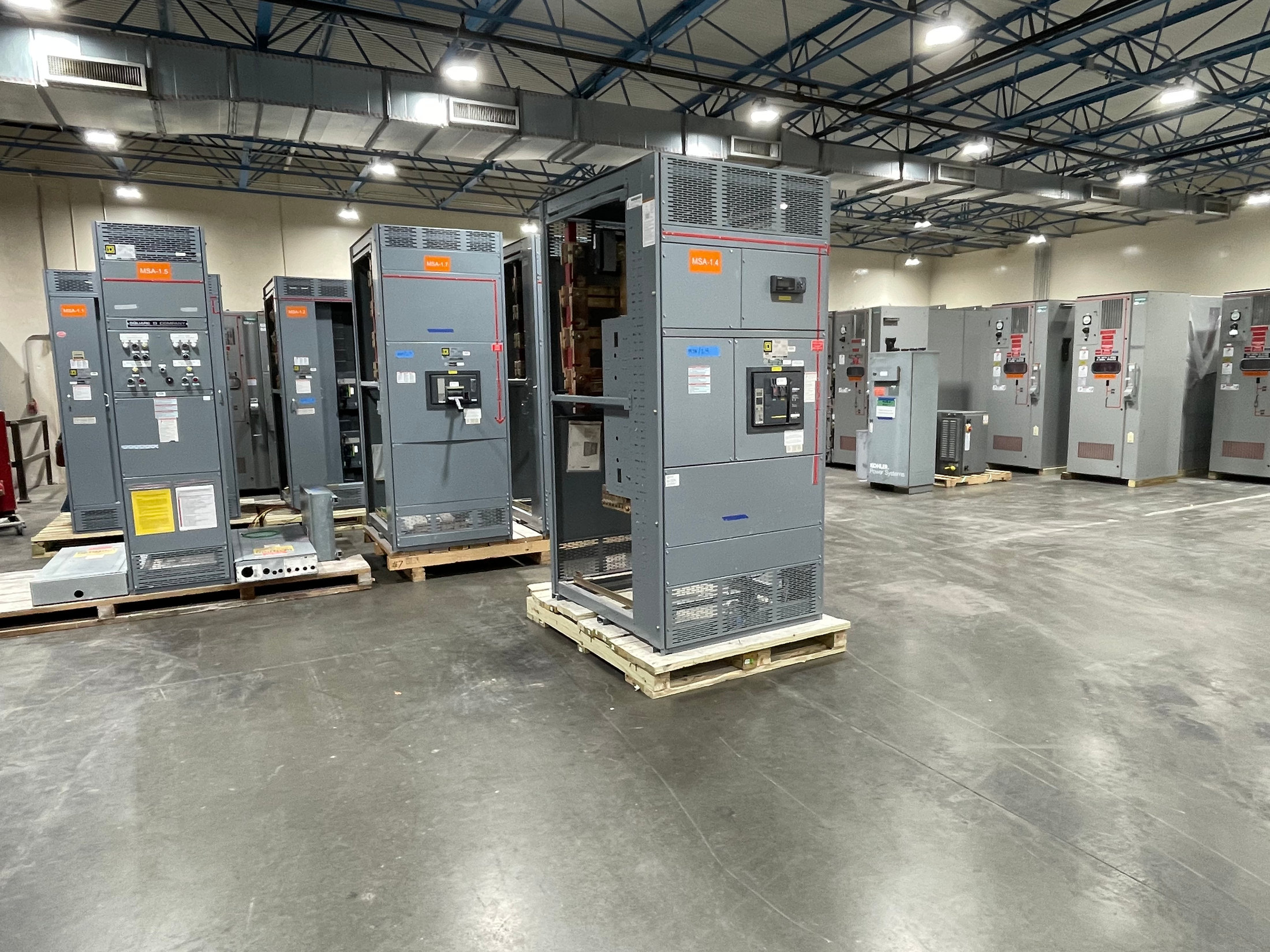
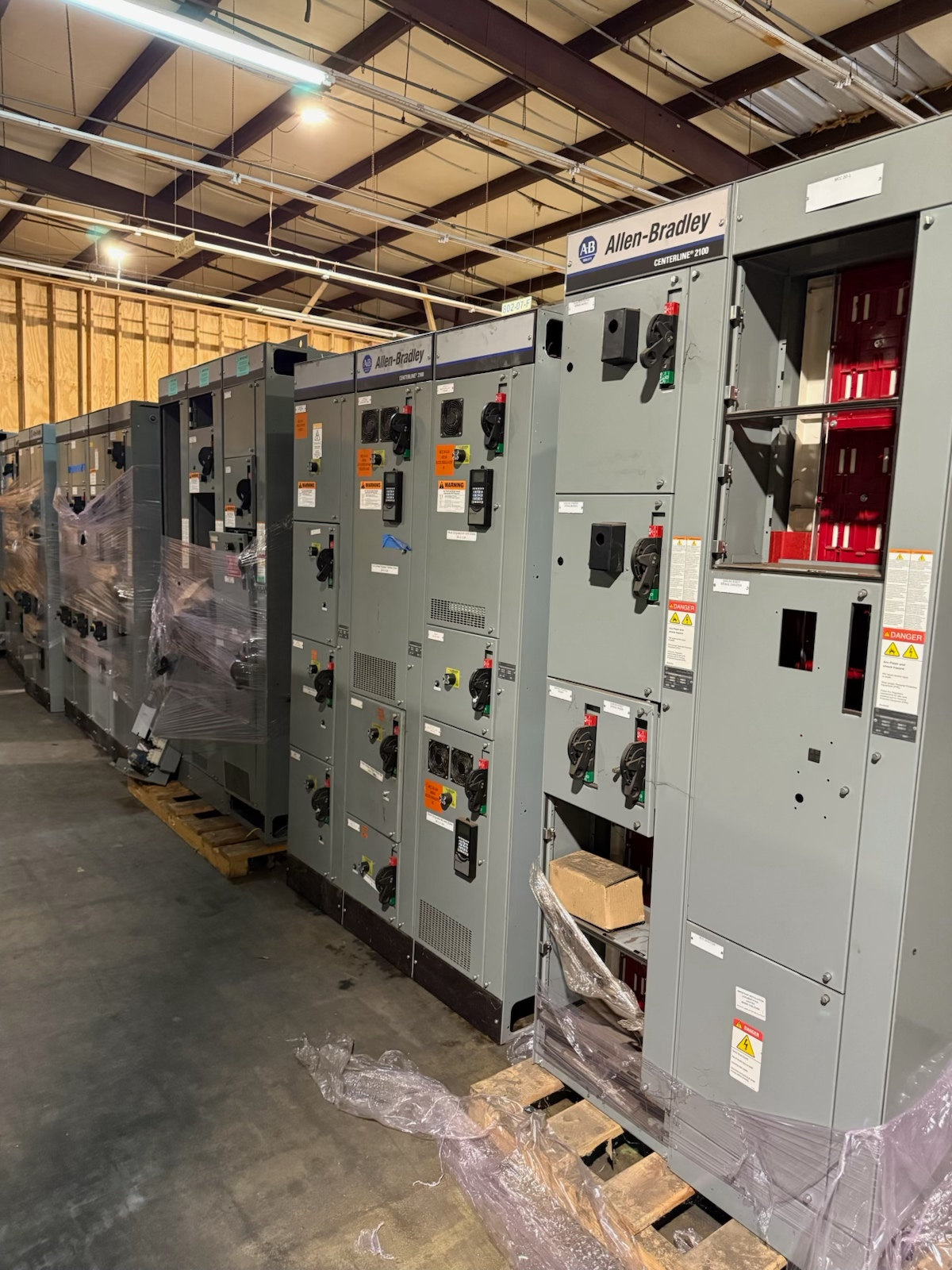
We buy used, surplus, and decommissioned electrical distribution equipment, including equipment from hospital closures. We also buy switchgear from decommissioned data centers and shut-down power plants. A seller can start with a plain-language description of the proposed group and identify the facility area, project, or asset group it represents, without assuming that everything nearby belongs in the sale.
Separate Included Assets From Retained Equipment
A practical scope description distinguishes equipment offered for sale from equipment being retained, transferred internally, or excluded for another reason. For example, a company clearing surplus after a capacity change might offer identified transfer switches and distribution equipment from one defined area but retain nearby gear for a separate project. Naming those boundaries helps prevent an offer from being based on a wider group than intended.
Existing asset records, inventory lists, or project documents can help describe the proposed sale, if they are already available. Note which records refer to included items and which refer to retained assets; flag unclear ownership or scope rather than treating proximity as proof. You do not need to create a technical inventory or perform testing to begin discussing the equipment.
Document Release and Owner-Controlled Access
For a closure-related sale, make clear who has authority to release the equipment and control access to the area. The owner or its qualified personnel determine when access is permitted and how the space is managed. A documented release can identify the equipment approved for sale and help distinguish it from assets subject to another disposition, without asking a seller to dismantle or prepare anything.
If the owner’s records already include labels, descriptions, or photographs that can be shared safely, those materials may help explain the scope. Information can also be conveyed in words, such as the equipment’s general type, quantity, and location within the facility. Do not access restricted areas or handle equipment to gather details; the owner controls access, and any information shared should already be safely available.
Describe Transfer Switches and Distribution Equipment
Useful starting details include whether the scope includes transfer switches, switchgear, or other electrical distribution equipment; how many items are being considered; and whether the offer concerns a defined group or a larger release. If records show voltage class or other identifying information, it can be included as available. We buy equipment across all voltage classes and do not require seller testing.
Descriptions should reflect what the seller actually knows, not guess at condition, compatibility, or technical configuration. If an item’s identity or inclusion is uncertain, mark that uncertainty and keep it separate from confirmed sale scope. An agreed purchase depends on the actual equipment and mutual agreement on the sale; describing the group accurately supports that discussion without promising that every item will receive an offer.
Pickup Is Not the Seller’s Rigging Project
When a sale is agreed, we make a cash offer and pay upfront before pickup. We handle all rigging and logistics, including cranes, rigging, disconnects, loading, freight, and hauling. The seller does not arrange the physical work or prepare equipment for transport; the seller does nothing but get paid. No seller testing is required as part of the process.
Keeping the work allocation clear matters during a closure, when staff may be focused on other responsibilities and access remains under owner control. The seller identifies the agreed scope and coordinates access through the owner’s process; we take responsibility for the pickup logistics. Do not disconnect, open, energize, dismantle, or move equipment for the sale.
A Clearer Path From Scope to Agreement
Before proceeding, compare the proposed sale group with the release documentation and note any retained or excluded assets. If the scope changes, clarify which items are added or removed before relying on an earlier description. This is especially useful when a capacity change produces surplus in one area while equipment elsewhere remains in service or is allocated to another project.
Once the equipment and scope are understood, we can discuss a cash offer based on the actual items. A sale proceeds only if both sides agree. Payment is upfront before pickup, no seller testing is required, and we handle all rigging and logistics through hauling. A careful boundary between released equipment and retained assets gives the conversation a concrete starting point without shifting physical work to the seller.