Sell switchgear from a shut-down power plant
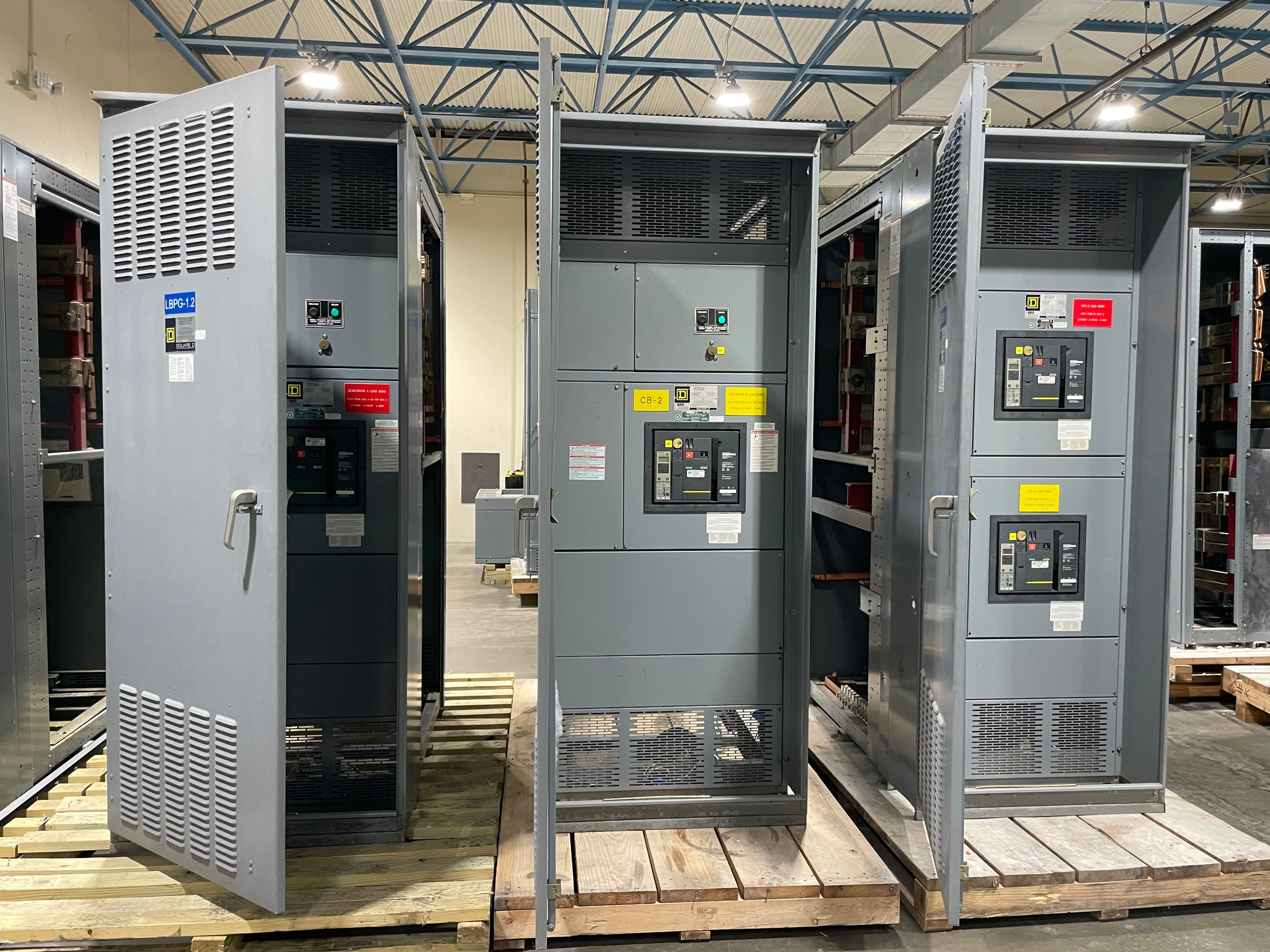
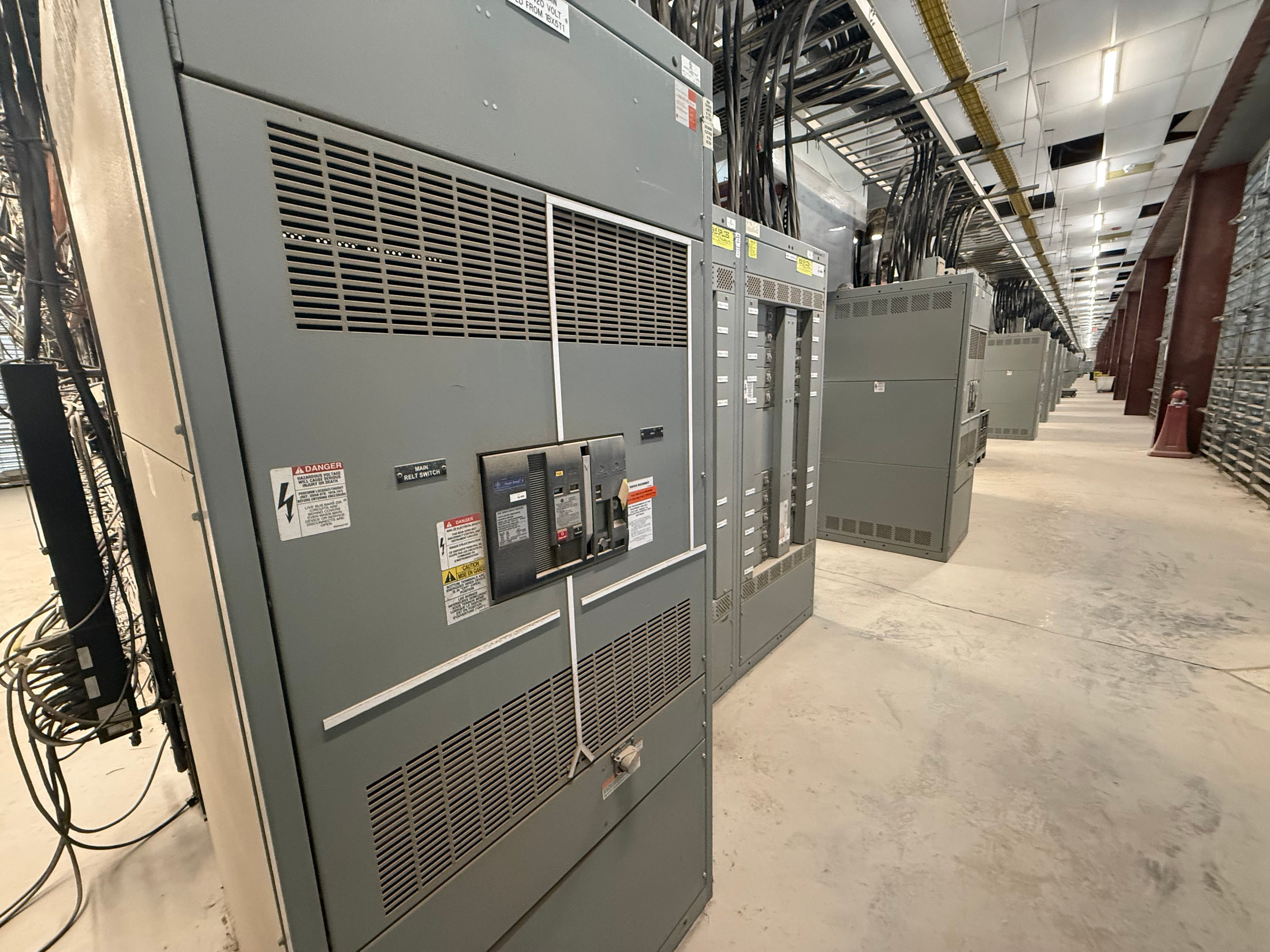
We buy electrical switchgear out of shut-down power plants and power plant teardown projects in Pennsylvania. An owner managing a transition can offer equipment for a cash purchase rather than treating it solely as a demolition or storage issue. The equipment proposed for sale may be one assembly, several sections or a mixed collection of electrical distribution assets.
A teardown project can involve many types of property, but the sale need not cover the entire site. Identify the switchgear and related electrical equipment you are authorized to release, along with any separate pieces included in the proposed lot. The actual equipment and the agreed scope form the basis for the buyer’s consideration and any offer.
Define the electrical assets before discussing an offer
Existing project documents may describe equipment by building, area, asset number or original function. Those references can help distinguish the electrical gear proposed for sale from assets that will remain with the property. If a record is broad, add the equipment type and approximate quantity where known. A consistent reference for each group also helps connect descriptions with any existing photographs.
A plant inventory may include switchgear, switchboards, motor control centers, breakers or other distribution equipment, but a seller should list what is actually present rather than assume a standard configuration. Note whether the offer should cover complete assemblies, individual components or both. Pieces stored near one another are not necessarily interchangeable or part of the same lineup.
Use existing records without reconstructing a history
Share any available manufacturer names, model identifiers, voltage, amperage and counts. We buy equipment across all voltage classes, and different ratings can be identified within one inquiry. A rating describes an item for review; it does not by itself establish the condition of the equipment or its suitability for another installation. Unknown figures should remain marked as unknown.
Information can come from records already held by the owner or from labels and photographs that are safely accessible. Do not open or energize equipment or perform electrical testing to answer a buyer’s questions. If documents conflict, identify the conflicting entries rather than choosing a specification by guesswork. A candid account of what is and is not known is useful in assessing the proposed assets.
Coordinate a sale within the teardown scope
A site owner, asset manager and demolition contractor may each have a different role in a power plant transition. Before accepting an offer, confirm who has authority to sell the listed electrical equipment and whether the proposed lot excludes anything the owner intends to retain. A contractor’s involvement in the broader project does not automatically establish ownership of a particular asset.
If equipment is grouped across several areas, describe those groupings in the inventory. Where the proposed scope changes, update the description so the sale discussion reflects the equipment actually intended for release. This is a commercial clarification, not a request for the seller to dismantle equipment or perform the physical tasks associated with pickup.
We pay upfront and handle the work
We make cash offers for equipment under consideration. An offer depends on the actual items and is not guaranteed for every asset; the seller chooses whether to accept. For an agreed sale, payment is made upfront before pickup. No seller testing is required, whether the available history is detailed or incomplete.
We handle all rigging and logistics: cranes, rigging, disconnects, loading, freight and hauling are on us. The seller does nothing but get paid. You do not arrange those services or carry out the physical removal work. The property owner controls access, and we coordinate our work around the agreed purchase and the access information the owner provides.
When the lot includes more than switchgear
A power plant owner may wish to present other electrical distribution assets alongside switchgear. Give each type its own description, including quantities and any available nameplate information. Separating a loose breaker from a cabinet or lineup does not require the seller to test anything; it simply makes the proposed purchase clearer and avoids implying that unrelated pieces fit together.
We also buy switchgear from decommissioned data centers and consider electrical equipment from other facility closures. The type of facility is useful context, but it does not replace the item description. Mixed manufacturers and incomplete records can be discussed honestly, with uncertainty identified rather than filled by assumptions about age, operating history or future use.
Request consideration for the plant equipment
Start with a list of the equipment you intend to sell, the approximate quantities and the site or storage areas where it is located. Add any safely accessible labels or existing documents that identify the assets. If the record has gaps, flag them. You do not need to create a complete engineering file or perform a seller-side test before opening the conversation.
When a cash offer is made, check the listed equipment and choose whether to proceed. Once both parties agree to a sale, payment is upfront before pickup and our side handles disconnects, cranes, rigging, loading, freight and hauling. That division leaves the owner in control of the sale decision without assigning the physical teardown or transportation work to the seller.