Start With a Saleable Inventory, Not a Perfect Register
Selling surplus electrical switchgear does not depend on having a complete asset register. A working list gives the buyer enough structure to review what may be available, while clear identifiers help separate one assembly from another. For equipment stored at more than one location, begin with a location heading for each site, then record each known lineup, enclosure, or loose component under the place where it is stored. Mark details as unknown rather than guessing.
Keep the list focused on facts that distinguish equipment: manufacturer, any visible type or catalog designation, voltage class, lineup or section labels, serial or asset numbers, and approximate quantity. Include the source of each detail, such as an existing register, a label already safely visible, or a prior inventory. If a field cannot be confirmed without accessing equipment, leave it blank. Accuracy matters more than making an incomplete record look finished, and the buyer can discuss what is available from the information provided.
Separate Complete Assemblies From Loose Parts
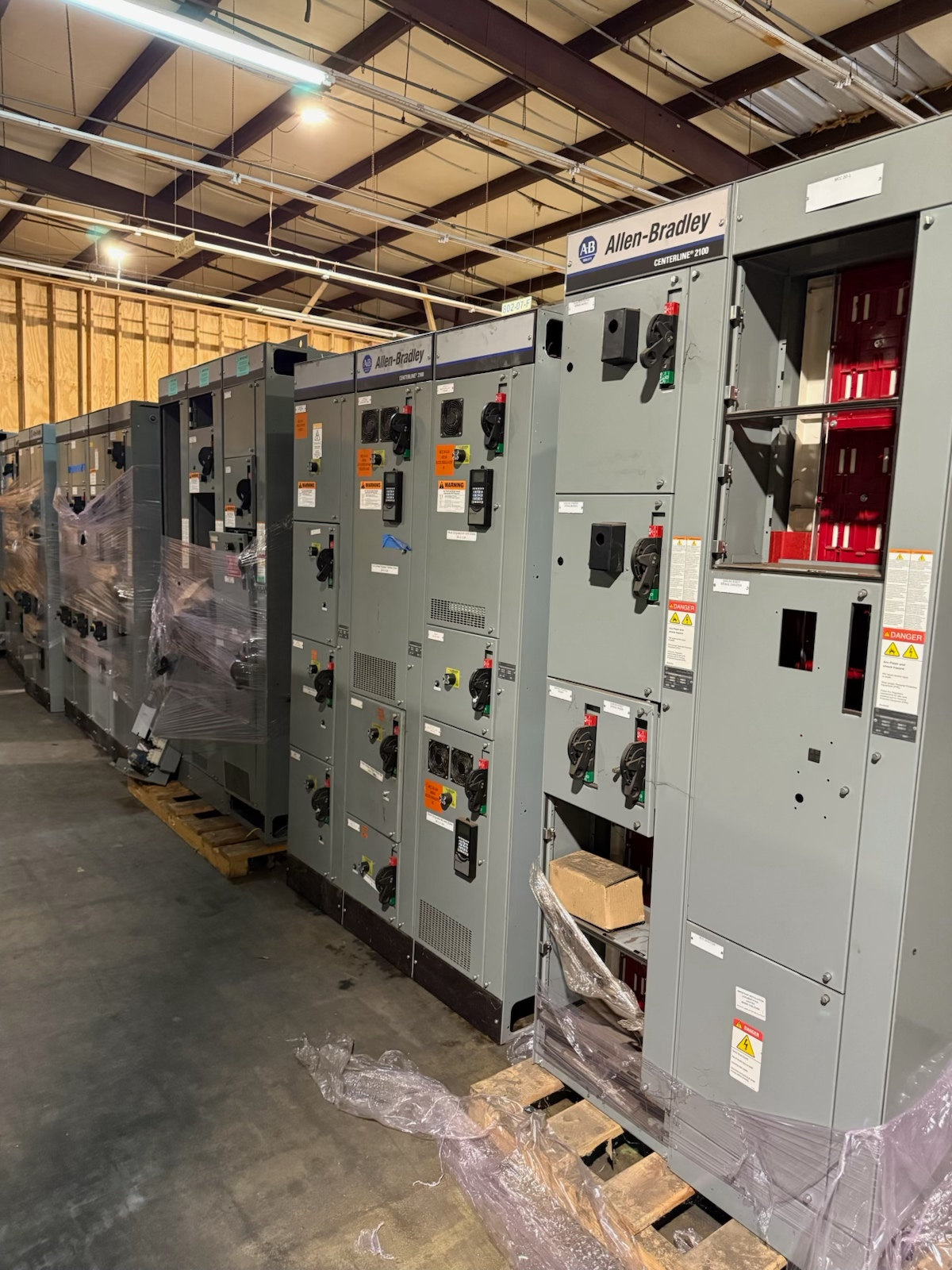
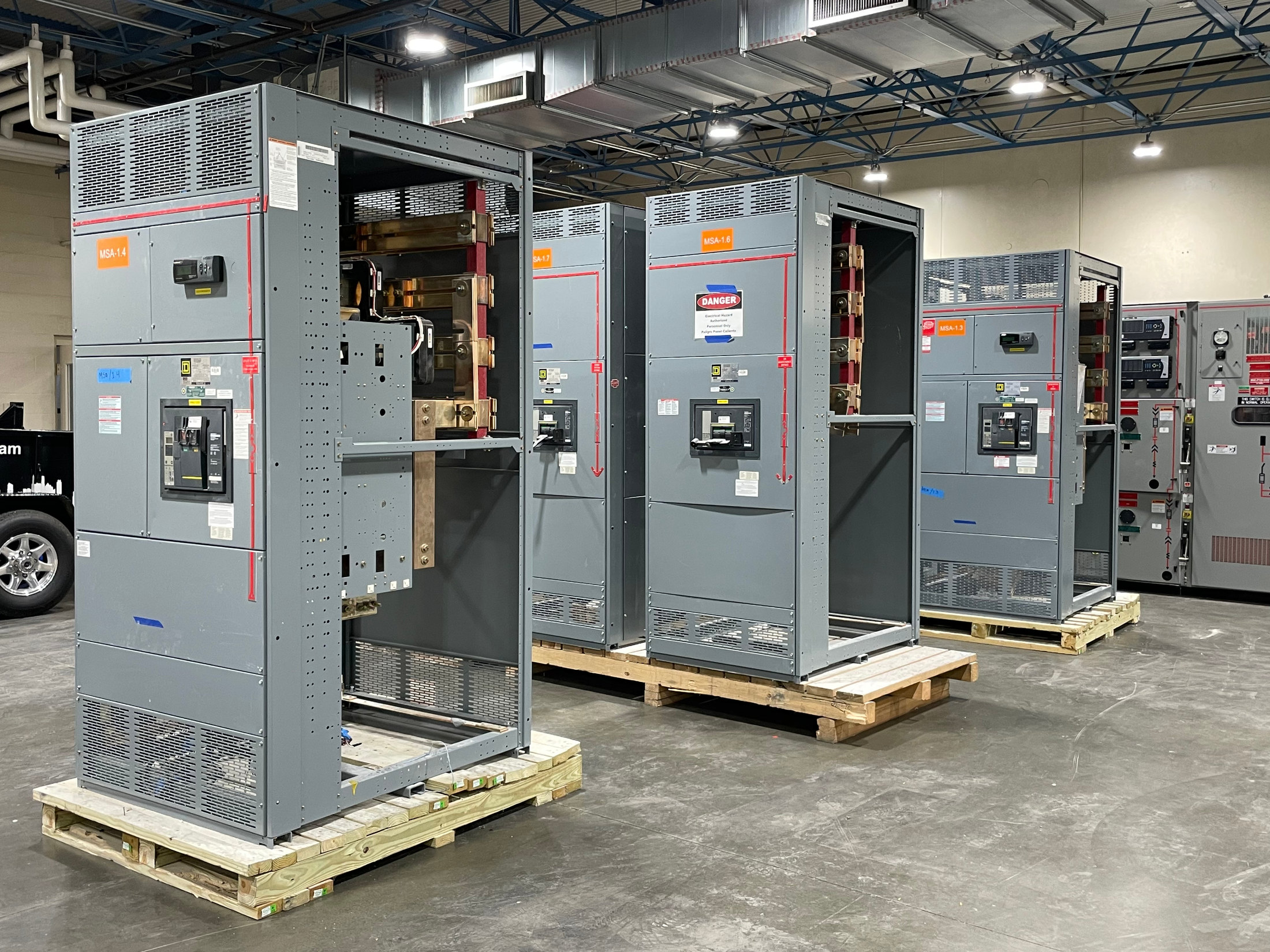
A complete switchgear assembly and a group of loose components should not appear as interchangeable entries. Describe the assembly as a lineup or section only when that description is supported by existing records or information already available. List loose breakers, relays, control items, doors, or other parts separately, noting quantity and any identifying marks that are already accessible. Avoid implying that a component belongs to a particular lineup unless that relationship is known.
This distinction helps prevent a buyer from counting a partial assembly as complete or treating separate parts as included in a lineup. If records say a lineup has several sections but the current count is uncertain, state what the records say and what remains unverified. When equipment is spread across locations, indicate whether loose components are stored with the related assembly or elsewhere, if known. Do not open equipment or dismantle anything to improve the inventory; use only information already safely accessible.
Build a Location-by-Location List
Use one consistent format for each storage location, even when the records differ. A practical entry can include the location label used by the owner, equipment description, known identifiers, quantity, assembly-versus-loose status, and a note about missing information. Keep the location label specific enough for your own team to distinguish the storage areas, but do not substitute an assumed site name or invent details. If ownership records use different names for the same equipment, preserve those references and flag the discrepancy.
For example, a seller preparing a clear list for switchgear at more than one location might find that one register identifies a lineup by serial number while another lists only a room or asset tag. Keep both references in the entry and note which one is absent. This makes follow-up more efficient and reduces the risk of duplicate entries when records overlap. A simple spreadsheet or written inventory is suitable; completeness is not a prerequisite to starting a discussion about a possible sale.
Share Useful Details Without Guessing
Existing documentation can fill gaps without turning the inventory into a technical inspection. Gather available records such as asset-register extracts, prior equipment lists, purchase documents, or shutdown inventories, and connect each document to the location and entry it describes. If a label or nameplate is already safely visible, its text or a photo may help identify the equipment. Do not access, open, move, test, or dismantle equipment to obtain additional details.
Use plain notes to distinguish confirmed facts from estimates and unknowns. For instance, record a quantity as approximate if the existing list is unclear, and identify an unverified voltage class as unknown rather than inferring it from nearby equipment. Photos are optional and should be limited to views already safely accessible to the owner or qualified personnel. The buyer can review the available information and ask about discrepancies; there is no seller testing requirement, and a complete technical record is not needed to make an inquiry.
Understand the Offer and Pickup Terms
The buyer makes cash offers for surplus switchgear, with the amount dependent on the actual equipment and a sale requiring agreement. A list helps establish what is being considered, but it does not guarantee that every listed item will receive an offer. Include uncertainty plainly, particularly where records may describe a full assembly but the current inventory shows only some sections or separately stored components. That context supports a more accurate review without requiring the seller to resolve every gap first.
If a sale is agreed, payment is made upfront before pickup. The buyer handles all rigging and logistics, including cranes, rigging, disconnects, loading, freight, and hauling. The seller does nothing but get paid; the seller does not arrange or perform the physical work. No seller testing is required. The buyer purchases switchgear across all voltage classes, so an unknown or varied rating can be recorded honestly for later review rather than used as a reason to guess or conduct tests.
Prepare for a Straightforward Review
Before sharing the inventory, check for duplicate entries, separate complete assemblies from loose components, and make sure each item has a location reference. Retain alternate identifiers when records conflict instead of choosing one without support. Note any equipment whose status is unclear, such as an entry appearing in a register but not yet confirmed in the current inventory. This gives the buyer a practical picture of the surplus while preserving a clear distinction between documented facts and open questions.
The buyer purchases switchgear from decommissioned data centers and shut-down power plants, as well as other surplus sources. When presenting equipment from either setting, identify the source only if it is known and useful; the essential details remain the equipment identifiers, assembly status, quantities, and storage locations. A seller can begin with the records and safely accessible information on hand, then discuss the equipment and any missing details with the buyer. No seller testing or physical preparation is needed to start.