Turn a data center electrical closeout into a sale
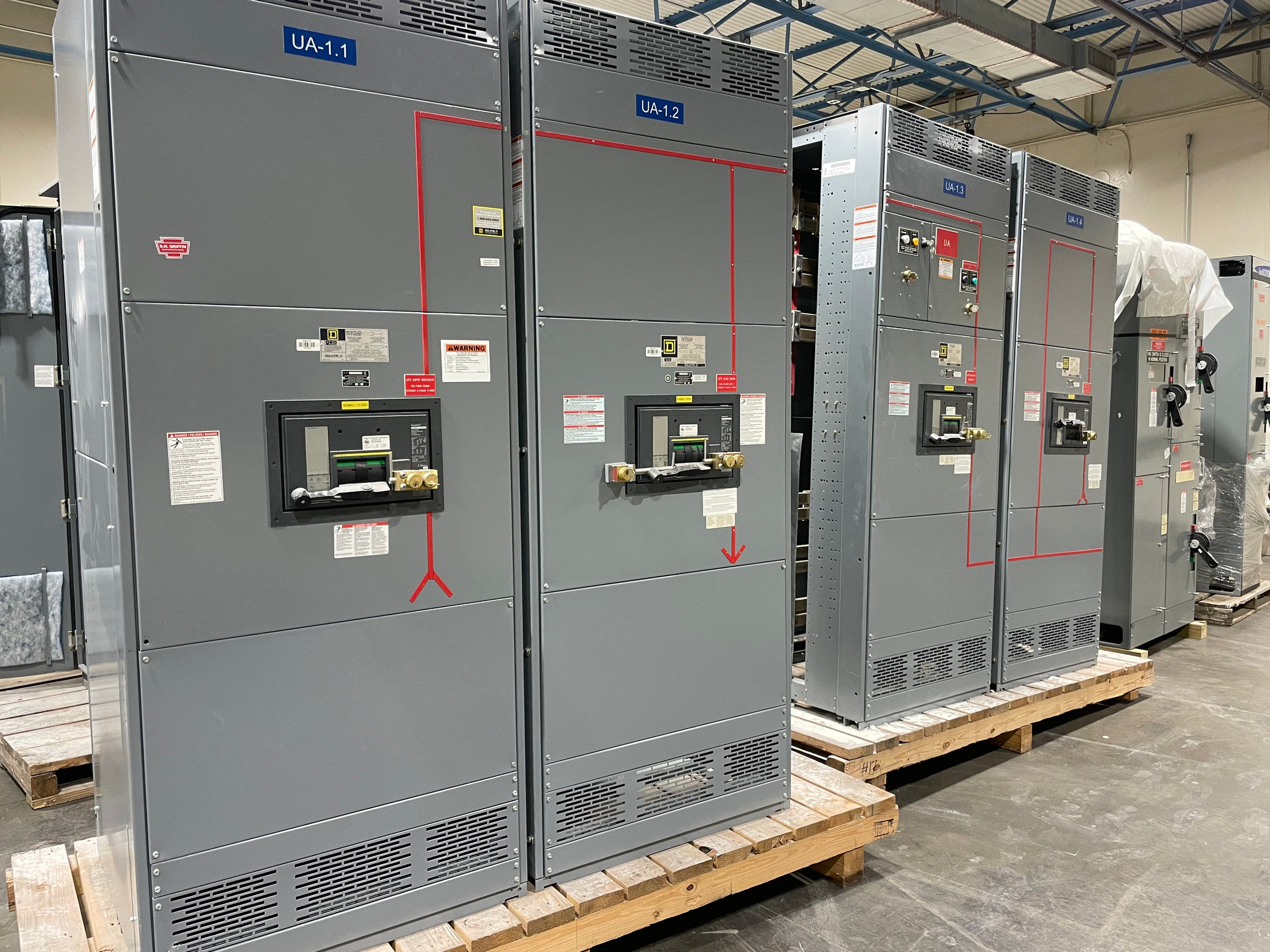
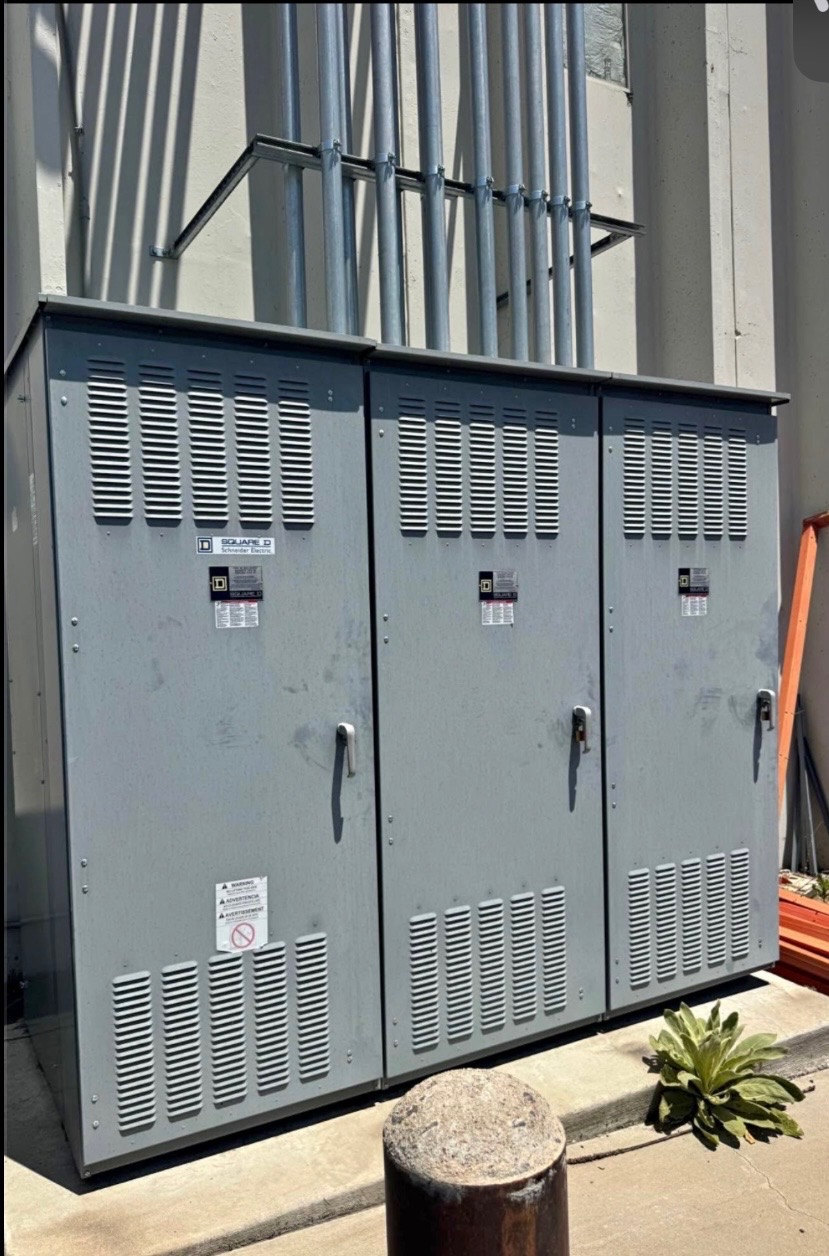
We buy electrical switchgear out of decommissioned data centers in Pennsylvania. When a facility is being closed, consolidated or repurposed, its owner may have distribution assets that are no longer needed. Instead of treating every piece as an undifferentiated part of the closeout, identify the electrical equipment you want to sell and request a cash offer for that proposed inventory.
A data center sale does not have to include servers, racks or every asset in the building. The scope can be limited to electrical equipment the owner is authorized to release. It may be a single piece, several assemblies or a mixed lot. The actual items and the information available about them determine whether an offer is made and the amount offered.
Separate the electrical inventory from the broader project
A closeout list can distinguish switchgear from switchboards, panelboards, automatic transfer switches, busway and loose circuit breakers. These categories do not have to be present at every facility; they are examples of equipment a seller may choose to identify. Listing the pieces separately helps both parties understand the intended purchase without assuming that unrelated equipment is included.
If existing records group equipment by room, building or project phase, retain those references in the description when useful. Distinguish assets intended for sale from equipment that will stay with the property or move to another use. Where quantities are uncertain, label them as estimates. A clear inventory boundary matters more than making an incomplete list appear perfectly detailed.
What information helps describe a lot?
Available manufacturer names, model or catalog identifiers, voltage, amperage and approximate counts can help describe the gear. We buy across all voltage classes, so an owner can present equipment from different parts of an electrical inventory in the same inquiry. Record details as they appear in existing documentation rather than guessing at a rating that cannot be confirmed.
Photos and labels may be shared when already safely accessible. The seller does not need to open equipment, energize it, dismantle anything or perform a test to obtain information. If drawings or maintenance records are missing, say so. A legible identifier and a candid description of an unknown history give the buyer a better starting point than unsupported claims about condition or compatibility.
Cash offers without seller testing
We make cash offers for equipment under consideration and require no seller testing. An offer depends on the assets actually proposed; it is not automatic for every item on a list. Review what the offer includes before deciding whether to accept. For an agreed purchase, payment is upfront before pickup, giving the seller payment before the purchased equipment leaves the site.
A facilities team may have technical records, while an asset manager or property owner may have authority to approve a sale. Identify the person empowered to agree to the transaction and the items that person intends to release. That simple distinction avoids confusing a project contact who supplies existing information with the party making the decision to sell.
Disconnects, rigging and freight are on us
We handle all rigging and logistics, including cranes, rigging, disconnects, loading, freight and hauling. The seller does nothing but get paid. You do not have to arrange or carry out the physical work, and freight is covered. The owner controls site access, while our side handles the work associated with the agreed purchase rather than leaving it for your team to organize.
Tell us where the proposed equipment is located and share the access information already available to the owner. A closeout may involve more than one equipment area or a site with its own access rules; those facts help us coordinate our responsibilities. This discussion is about planning the buyer-handled work, not asking the seller to disconnect, load or test the gear.
Include a mixed equipment inventory
A data center electrical inventory can contain equipment from different manufacturers or acquired at different times. List the brands and identifiers that are known, and note where records are incomplete. A grouping in one room does not prove that the pieces are interchangeable or that all belong to one assembly. A separate line for loose breakers or other components can make the intended lot easier to understand.
We also buy switchgear from shut-down power plants and electrical equipment from other facility transitions. The site type gives context, but an offer is based on the equipment presented rather than on a facility label alone. If the proposed inventory changes during a data center closeout, update the list before accepting an offer so both parties are discussing the same assets.
A straightforward first conversation
Start with the equipment type, the approximate number of pieces, the location of the proposed lot and any identifying information already in hand. Include a brief description of what is known about its condition and flag details that are uncertain. There is no need to recreate an entire facility history or prove that equipment operates before asking whether it can be considered.
If a cash offer is made, decide whether the proposed amount and scope work for the owner. For an agreed transaction, payment is upfront before pickup, and we take responsibility for disconnects, cranes, rigging, loading, freight and hauling. The data center seller is not expected to test or physically prepare the equipment; the objective is to make the sale decision clear and leave the work to us.