Start With Authority to Release the Equipment
A substation changeout can leave a company with electrical distribution equipment it no longer needs, but possession alone does not establish authority to sell it. Before discussing a sale, confirm that your organization owns the equipment or has documented authorization from the owner to release it. This is especially important when assets are held under a utility, project, contractor, or financing agreement.
Describe precisely what the authorized sale includes and excludes. A release may cover selected components, a complete assembly, or identified surplus gear from an electrical infrastructure upgrade. If other equipment must remain in place or is reserved for another party, distinguish it clearly. The buyer can evaluate only the items you are authorized to sell, and the final transaction requires agreement on the equipment and offer.
Identify What the Changeout Left Behind
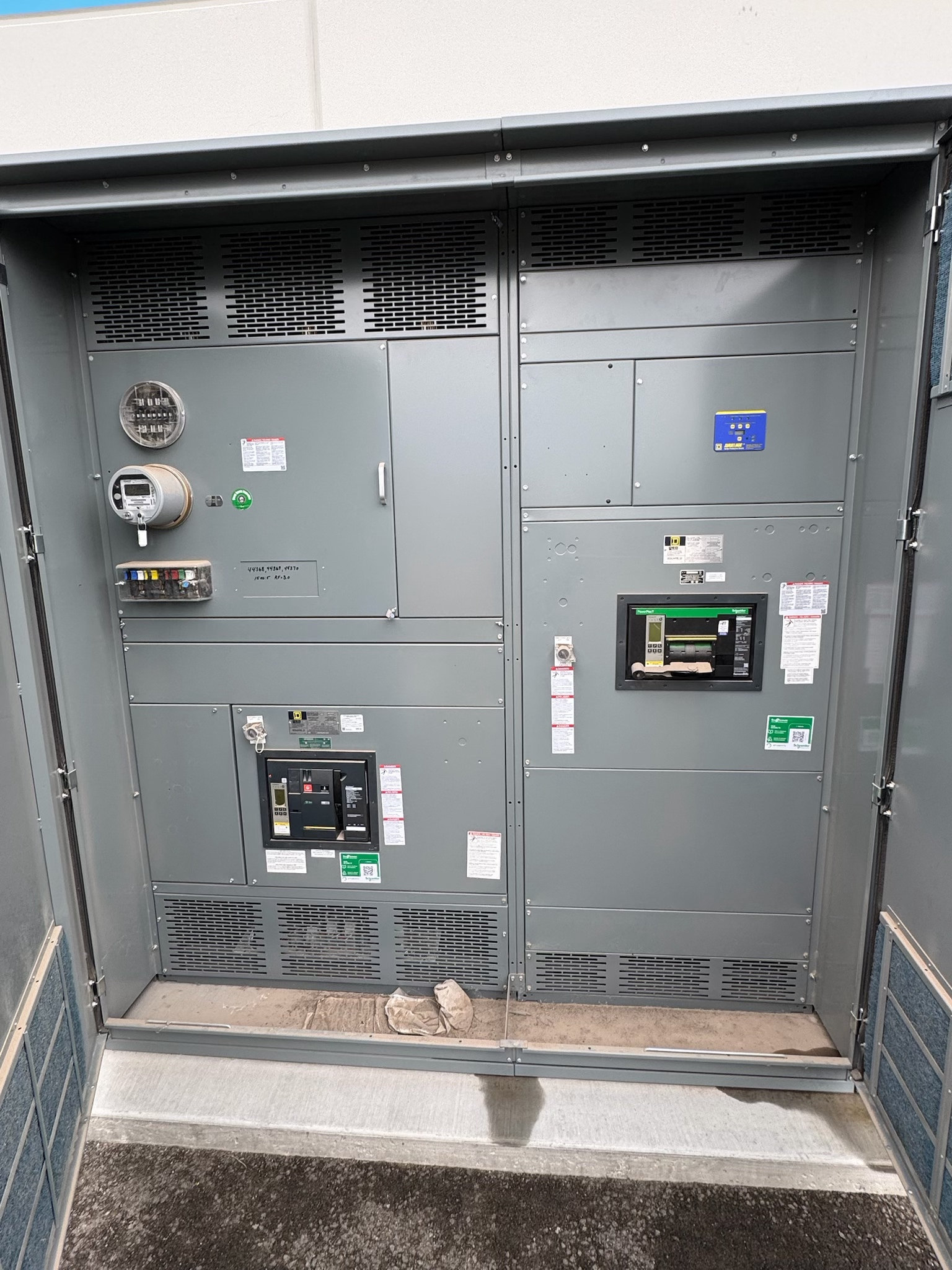
A useful first description names the equipment type and explains whether it is a standalone item, a group of modules, or part of a larger substation assembly. Include the manufacturer and nameplate details when they are already safely accessible, along with known quantities and any visible identification. These details help distinguish similar-looking assets and establish what you intend to release without asking you to perform inspections or testing.
If information is incomplete, say so rather than estimating ratings, condition, or compatibility. Photos and label details are helpful only when already safely accessible; do not open, energize, dismantle, or test equipment for a sale inquiry. The buyer purchases used, surplus, and decommissioned electrical distribution equipment across all voltage classes, with an offer based on the actual equipment presented for consideration.
Make the Release Boundary Unambiguous
Substation equipment may be grouped, connected, or staged alongside items that are not part of the sale. State which identified pieces are available, whether adjacent gear is excluded, and whether the release is for a complete group or selected modules. If the changeout involved several owners or work packages, separate the inventory by the party authorized to release it. Clear boundaries reduce confusion when the proposed pickup is planned.
A simple written inventory can capture item descriptions, quantities, visible labels, and the release status of each group. Note any known limitations on access or timing that affect the buyer’s ability to plan pickup, without undertaking physical preparation. The seller is not asked to arrange rigging, disconnects, loading, freight, or hauling. Those responsibilities belong to the buyer as part of the purchase and logistics process.
Plan Around Modular Equipment and Freight
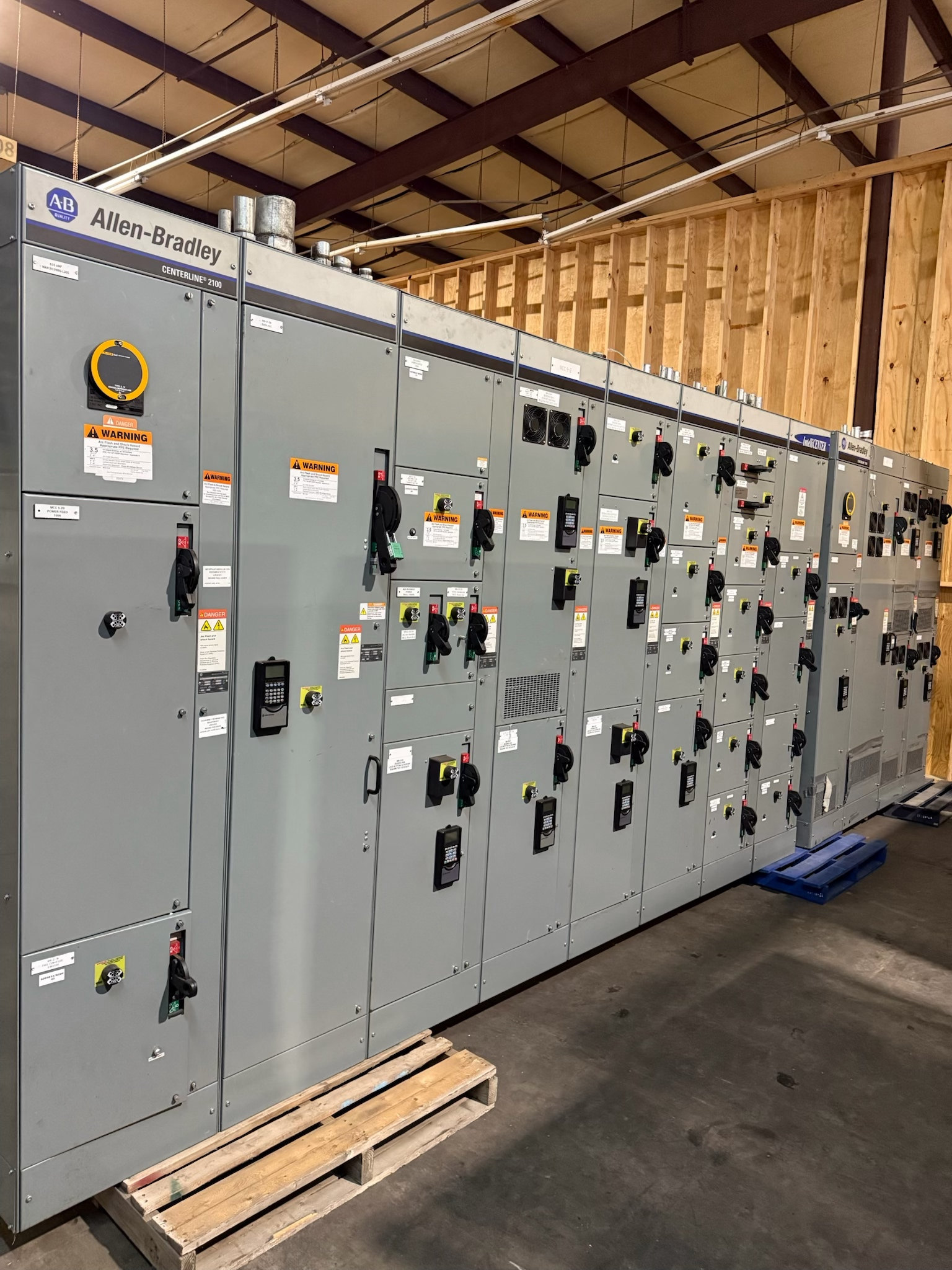
Modular equipment can require a different pickup plan from a single, self-contained item. Describe how many modules are included, how they are grouped, and whether the sale covers associated pieces or only named sections. Share any existing information about how the equipment is staged or the available access path, if known. This is planning information, not a request for the seller to move, separate, or dismantle anything.
Freight planning also depends on the actual items and the pickup circumstances. The buyer coordinates the logistics, including cranes, rigging, disconnects, loading, freight, and hauling, and covers freight. You do not hire a carrier or arrange the physical work. Owners or their qualified personnel control access to the equipment; any safety-sensitive access or work remains under their control.
Understand the Offer and Payment Sequence
After reviewing the equipment description and release scope, the buyer can make a cash offer based on the actual items. An offer is not automatic for every item, and a sale proceeds only if both sides agree on what is included and the amount. Keeping the authorization, inventory, and exclusions clear helps both parties evaluate the same equipment rather than relying on assumptions about a broader changeout.
For an agreed purchase, payment is made upfront before pickup. The buyer handles all rigging and logistics, including cranes, rigging, disconnects, loading, freight, and hauling; the seller does nothing but get paid. No seller testing is required. These terms apply to purchases of used, surplus, and decommissioned electrical distribution equipment, including equipment offered in modular groupings.
A Buyer for Surplus Across the Power Sector
This buying service is independent and does not imply an affiliation with a utility, equipment manufacturer, or project owner. A company with surplus gear from an electrical infrastructure upgrade can present the items it is authorized to release, explain the intended sale boundary, and share information already available. The buyer also buys switchgear from decommissioned data centers and shut-down power plants, as well as other surplus electrical distribution equipment.
When considering a substation changeout, focus first on who can authorize the sale and exactly which equipment that authorization covers. Then provide a clear description, including accessible nameplate information and modular groupings where known. The buyer evaluates the actual equipment, makes a cash offer when appropriate, and pays upfront before pickup after agreement. The seller does not test, arrange freight, or manage the pickup work.