Sell electrical equipment in Pennsylvania
Owners in Ridgway, Pennsylvania, can offer used, surplus or decommissioned electrical equipment to a buyer serving the state. A single item and a mixed lot can both be described for consideration, using whatever records are already available. We buy all voltage classes, and a seller does not need to conduct testing to start the conversation.
Consider a demolition project: the party coordinating the project may not be the party with authority to sell the equipment. In that situation, confirming ownership and the proposed sale scope before an offer is accepted is more useful than trying to reconstruct every detail of the original installation. A practical description can begin with the number and type of pieces, the information known to the owner, and any uncertainty about the inventory. Those details give the buyer a basis for considering the actual equipment.
Identify what you are offering
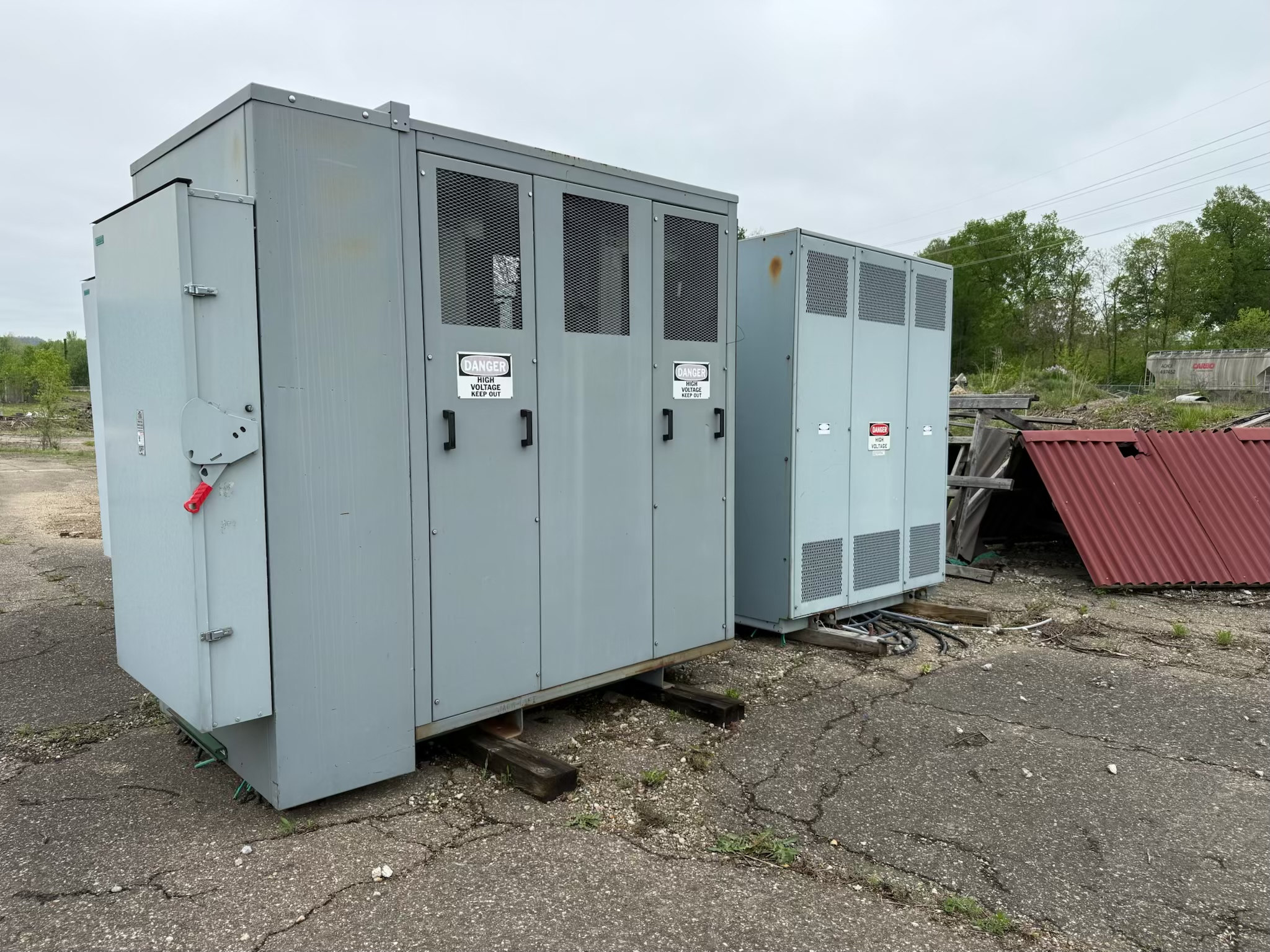
For a Ridgway inquiry, start with what you actually intend to sell rather than the name of the project alone. With switchgear, a lineup may contain several sections or be offered as an individual assembly. If pieces are listed separately, a buyer can see what forms the proposed lot and what remains outside it. Do not assume that units belong together merely because they are stored in the same area.
Useful information can include nameplate information, the number of sections and any separate breakers or components. If a record is incomplete, identify that gap instead of filling it with a guess. Photographs or labels can be shared when already safely accessible; the seller is not asked to open equipment, energize it or perform a test. An honest description of unknown details is preferable to a precise-sounding figure that has not been confirmed.
Describe a single asset or a mixed lot
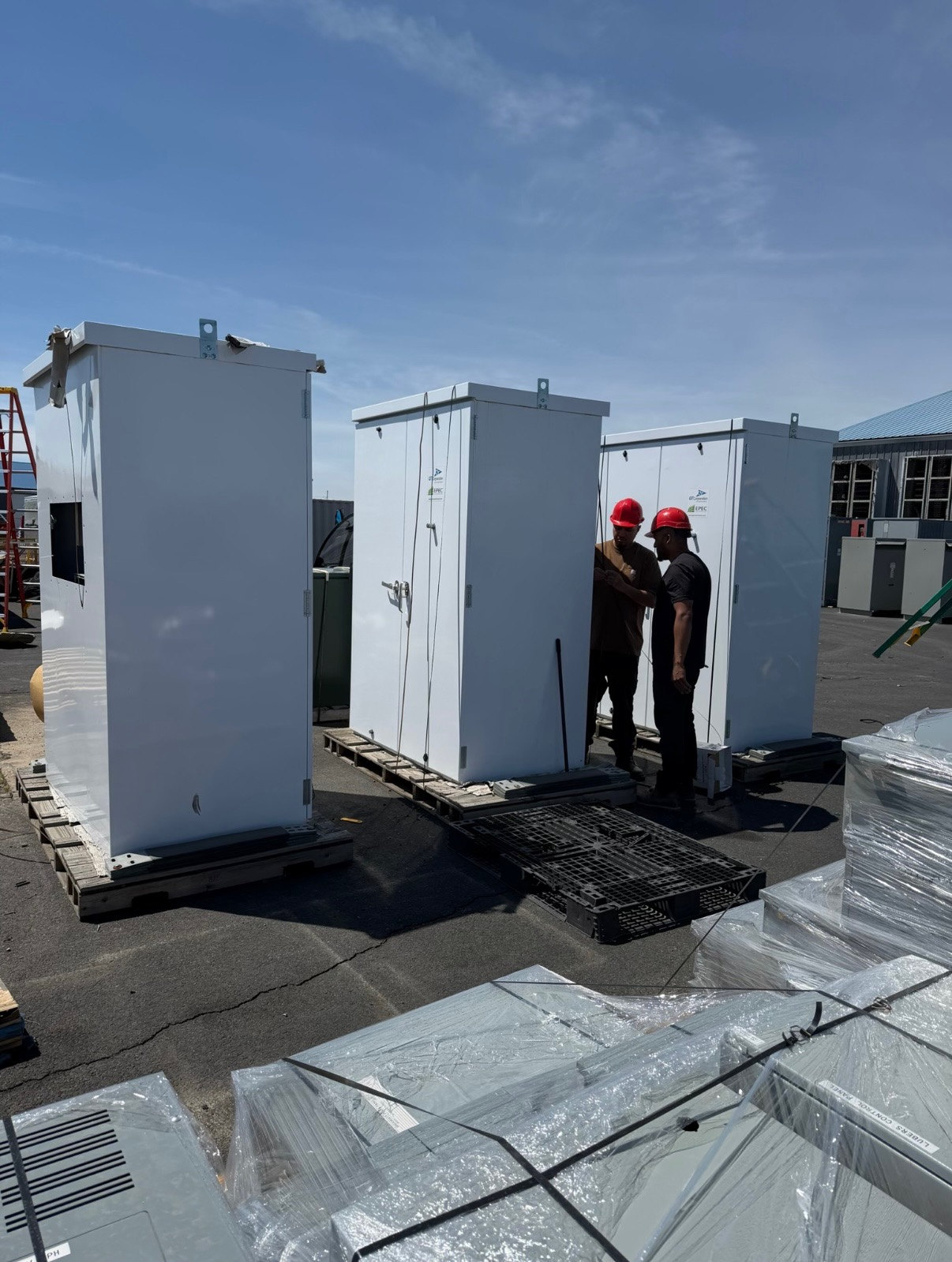
A sale inquiry can include one item, a group of similar items, or a mixed inventory. For example, the seller may have switchgear along with breakers, switchboards, motor control centers, panelboards, busway or transfer switches. List the types separately where possible and note approximate quantities. This approach lets the buyer understand what is actually being offered without assuming that different components are interchangeable.
If equipment is recorded in several places, use simple item references so that a photograph and a written description can be matched. Note which pieces are included in the proposed sale and which are being retained. The inquiry can still proceed when some information is unknown.
Give a clear picture without seller testing
Condition and rating are different questions. A stated voltage or ampere figure helps identify a piece, while available records and ordinary observations describe what is known about its history. A seller should not have to guess whether a device will work in a future installation. We do not require seller testing.
Describe whether the equipment is used, surplus or decommissioned to the best of your knowledge. If its age, completeness or previous service is uncertain, say so. The buyer can review the available information when considering switchgear; an offer depends on the actual equipment and the scope proposed. Not every item is guaranteed an offer, and a sale occurs only when both parties agree.
Cash offers and the work we handle
We make cash offers for electrical equipment under consideration. Once a sale is agreed, payment is made upfront before pickup. The amount depends on the equipment and the proposed lot, so an owner can compare the offer with continuing to store the assets or pursuing another disposition. Review the items covered by the proposed sale before deciding whether its terms meet your needs.
The seller does nothing but get paid: we handle all rigging and logistics, including cranes, rigging, disconnects, loading, freight and hauling. Those services are on us, not a separate task for the seller. Owners control access to their sites, and existing details or photographs may be shared when safely accessible; the physical work is our responsibility, and no seller testing is required.
Equipment from facility transitions
We buy switchgear from decommissioned data centers and shut-down power plants as well as equipment from other facilities and projects. A demolition project may involve a different inventory, but the same principle applies: describe the electrical assets being offered without assuming that unrelated property is included. We also consider lots that combine several distribution equipment categories or manufacturers.
For a facility closeout, identify who can authorize the sale and what assets that person intends to release. If a list changes, update the proposed scope before accepting an offer. That distinction is especially useful when one project includes both retained assets and equipment no longer needed.
Getting an inquiry ready
A practical first step is to assemble any existing inventory records for switchgear. Include the equipment type, quantities and available manufacturer or nameplate information, and flag any important unknowns. If there are multiple groups, use a brief description of each instead of combining everything into one line. No technical test is needed to ask for consideration.
Whether the inquiry arises from a demolition project or another transition, the decision remains with the owner. Share the information already available, review a cash offer if one is made, and accept only if the proposed sale matches your intentions. After agreement, payment comes upfront before pickup; we handle the disconnects, cranes, rigging, loading, freight and hauling while the seller gets paid.