Does countywide service include equipment stored at multiple locations?
Yes. We buy used, surplus, and decommissioned electrical switchgear from sellers across Cameron County, including property owners, contractors, and facilities teams coordinating equipment stored in more than one place. A single sale discussion can begin with a clear list that identifies each storage location separately, so the equipment can be reviewed as a group without suggesting that every item will necessarily receive an offer.
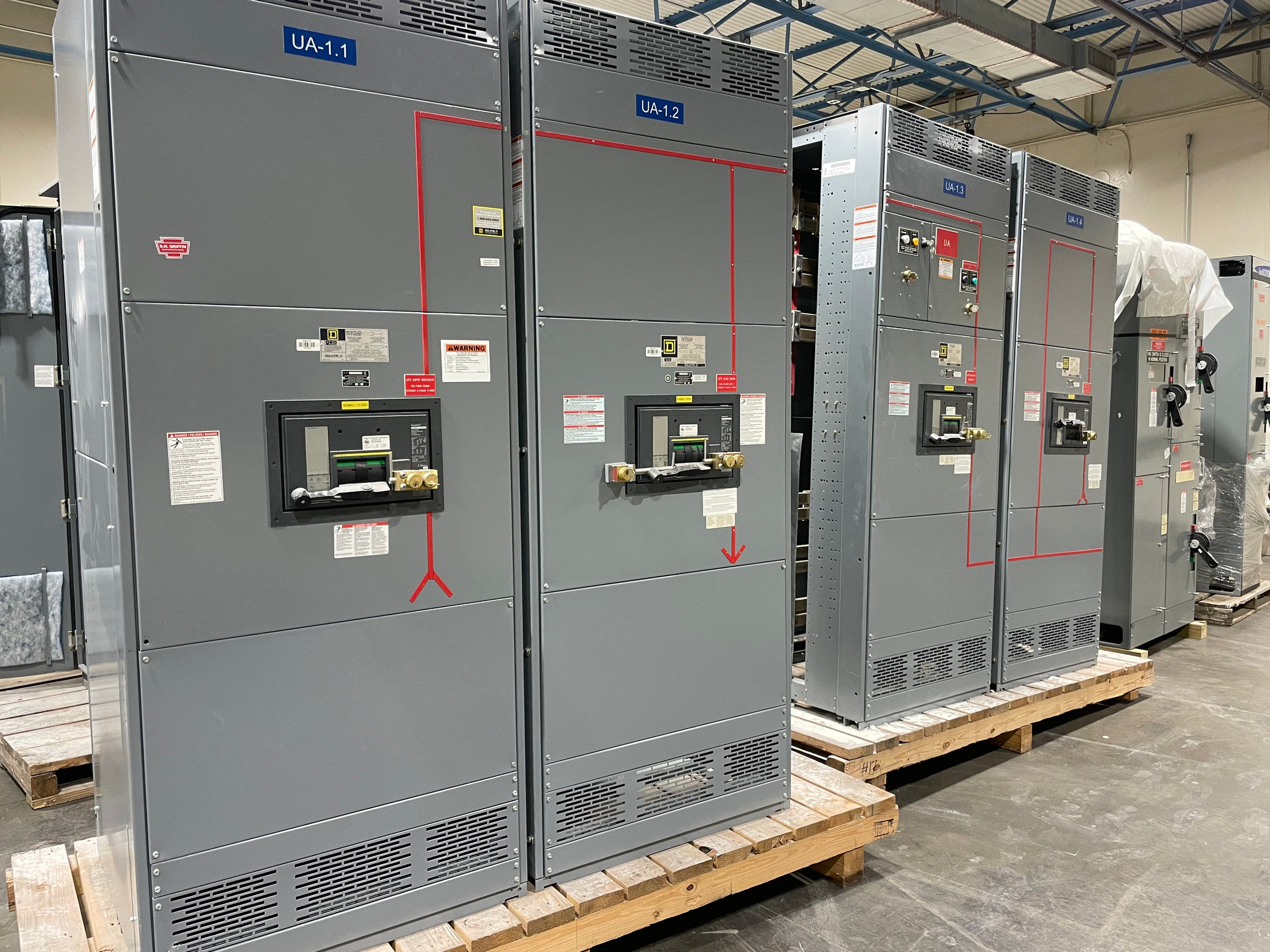
For example, a seller preparing an inventory might create one entry per lineup, section, or other identifiable piece and note which site holds it. Keep the list practical: describe what is known, distinguish confirmed details from unknowns, and avoid combining equipment from separate locations under a vague total. The buyer can review the information and discuss possible next steps; the seller does not need to arrange transportation or physical handling.
What information helps buyers review a switchgear list?
Useful starting information may include the equipment’s general type, quantity, available nameplate or label details, apparent condition as already observed, and whether pieces are grouped together or stored separately. Existing records can help clarify the inventory, too. If an item’s voltage class is known, include it; we buy switchgear across all voltage classes. Unknown or unreadable details can simply remain unknown rather than prompting testing or an estimate based on guesswork.
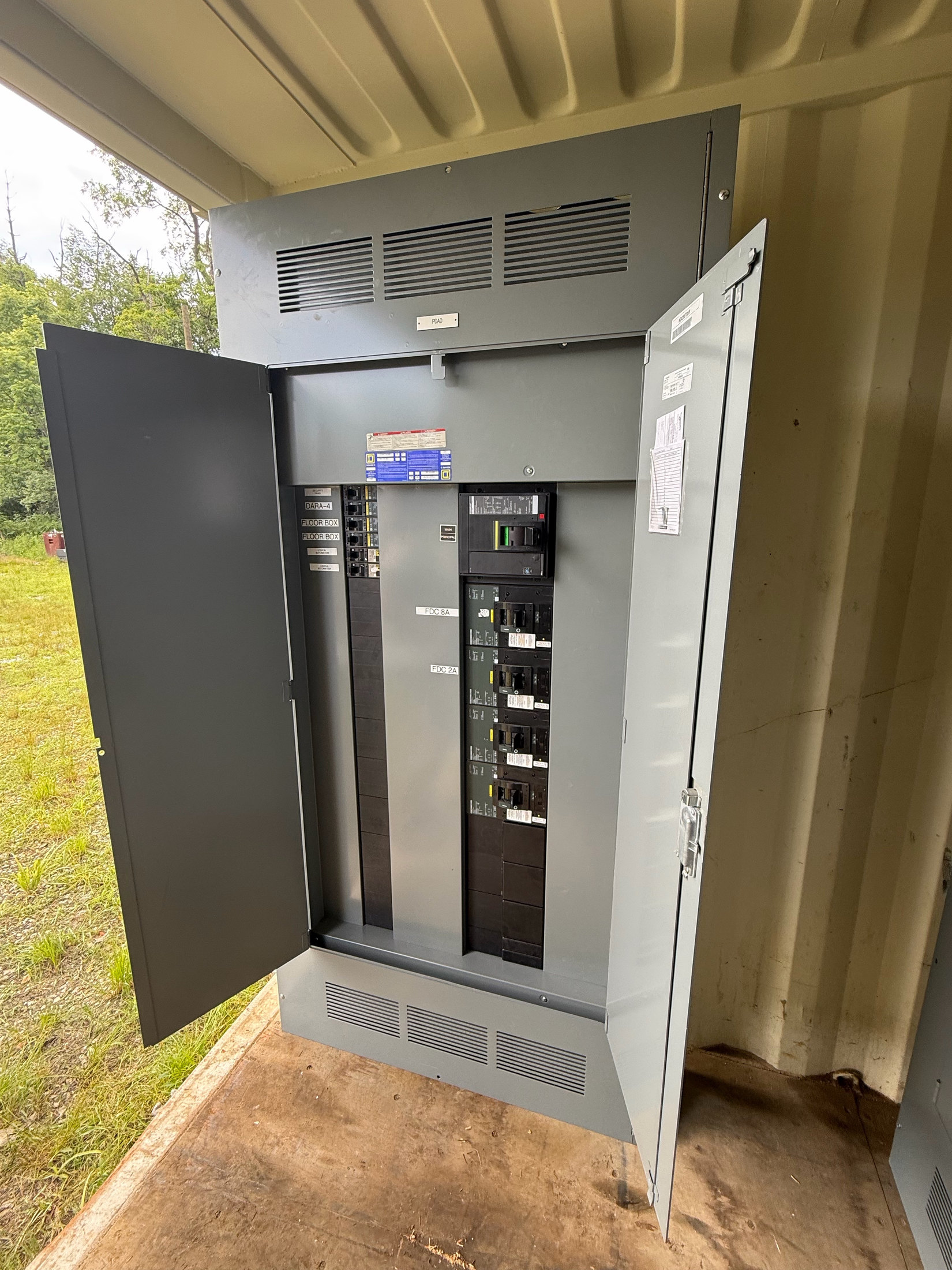
Photos can also support a review when they are already safely accessible to the owner or the owner’s qualified personnel. They are optional, and no one should enter a restricted area, open equipment, or move anything to obtain them. A concise list with a few useful identifiers is often more helpful than a lengthy description that mixes verified facts, assumptions, and details that have not been checked.
Do sellers have to test equipment before asking?
No seller testing is required. Buyers can review the details and photos the seller already has access to, along with known inventory records, without asking the seller to energize, inspect internally, or perform electrical tests on switchgear. This matters when a property owner is clearing stored equipment, a contractor is coordinating several owners’ assets, or a facilities team needs to make a disposition decision without adding testing work to its scope.
If important information is missing, identify the gap rather than trying to resolve it through an unsafe or unauthorized inspection. Access to electrical equipment remains under the control of the owner or qualified personnel. A review based on available information is not a substitute for testing or a technical assessment; it is a way to determine whether the equipment may be suitable for an offer and what discussion should follow.
How can a seller make a practical decision across locations?
Start by separating the inventory by location, then mark which entries are clearly identified, which have supporting records or safely accessible photos, and which need clarification from someone who already knows the equipment. This simple structure helps prevent a lineup at one property from being confused with a similar-looking item elsewhere. It also gives a contractor or facilities coordinator a clear basis for sharing information with the owner and buyer.
Next, decide who is authorized to discuss the equipment and confirm the inventory, especially if several properties or stakeholders are involved. The buyer reviews the available information and can make a cash offer based on the actual equipment. A sale proceeds only if the seller and buyer agree on the offer; a preliminary inventory is useful for review but does not guarantee an offer for every listed item.
Who handles removal, rigging, and transportation?
We handle all rigging and logistics, including cranes, rigging, disconnects, loading, freight, and hauling. The seller does not need to hire a separate crew, arrange a crane, load equipment, book freight, or coordinate hauling. Once the sale is agreed, the buyer coordinates the physical work with the property owner or authorized representative, who controls access and any site requirements.
The seller’s role is limited to providing available information, discussing the offer, and coordinating access through the people responsible for the property. The seller does nothing but get paid; the buyer pays upfront before pickup. This distinction is especially useful when switchgear is spread across multiple storage locations, because the seller can focus on identifying what is where instead of trying to plan separate removal logistics.
What kinds of equipment and sites are relevant?
We buy used, surplus, and decommissioned switchgear, including equipment from decommissioned data centers and shut-down power plants. We consider all voltage classes, so a seller should share the class if it is already known but need not test equipment to establish it. For equipment held at different sites, keep the location and available identifiers attached to each inventory entry throughout the review.
A property owner, contractor, or facilities team in Cameron County can use this process to assess whether a switchgear sale makes sense: prepare a factual list, share only information or images already safely accessible, review the buyer’s cash offer, and proceed only by agreement. Payment is upfront before pickup, and rigging and logistics are handled by the buyer. No seller testing is required, and the seller does not arrange the physical work.