Plan the Sale Around the Decommissioning Sequence
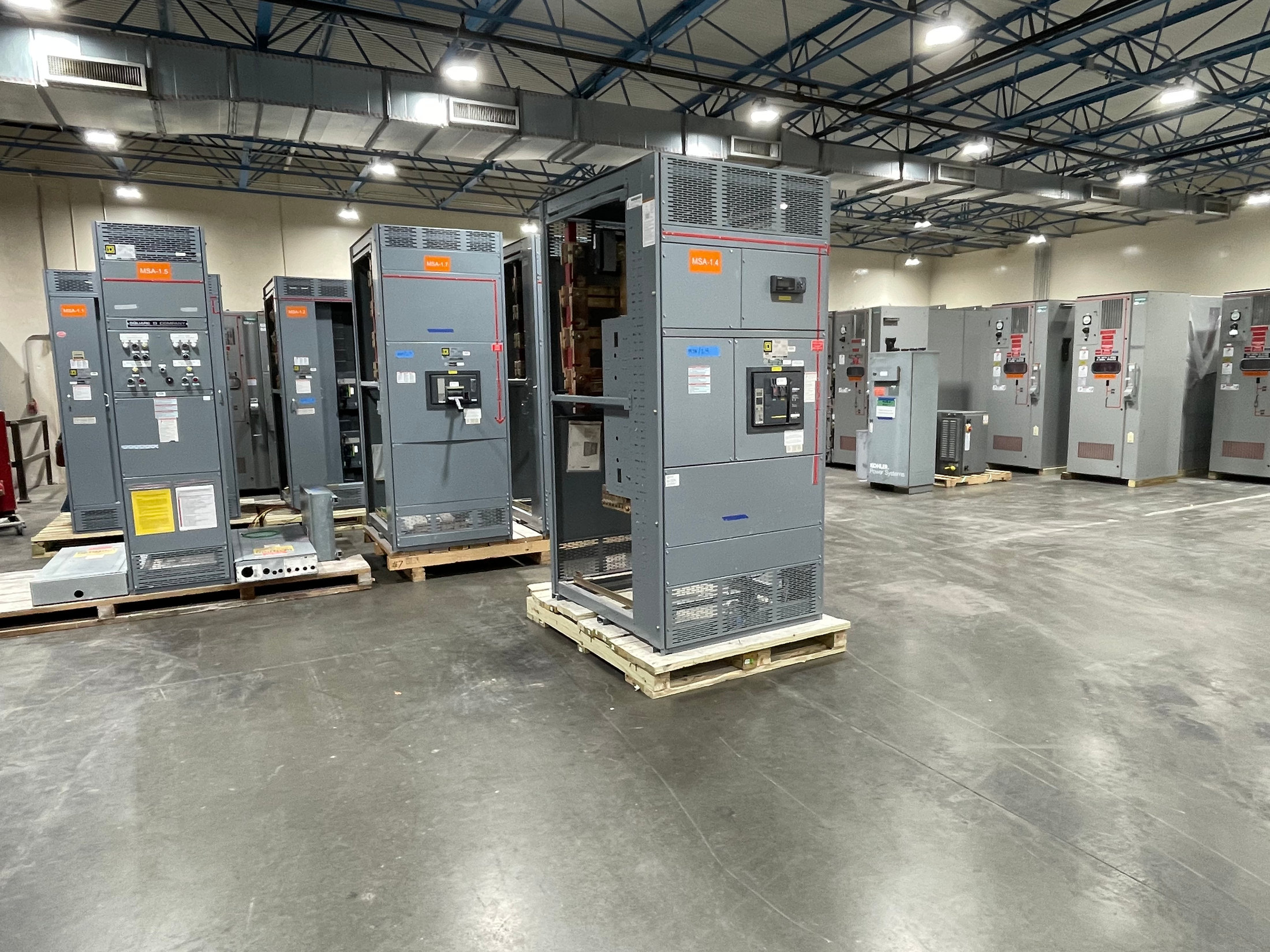
For a Forest County facilities team planning a staged decommissioning, the switchgear sale can be organized around the property schedule rather than treated as one last-minute removal task. Start by identifying which lineups or equipment groups are expected to leave first, which must remain in place during later stages, and the anticipated order of access. That overview helps a buyer assess a mixed lot and discuss pickup coordination without asking the team to dismantle anything.
The same approach works for a property owner or contractor handling a single building or a larger shutdown. Assemble a working inventory from records already available: equipment category, manufacturer and nameplate details when known, approximate quantity, and the planned release stage. A facilities manager can flag uncertainty instead of filling gaps by guesswork. The buyer purchases used, surplus and decommissioned electrical distribution equipment throughout Forest County, with outreach suited to the seller’s actual project sequence.
Build a Useful Picture of Mixed Equipment
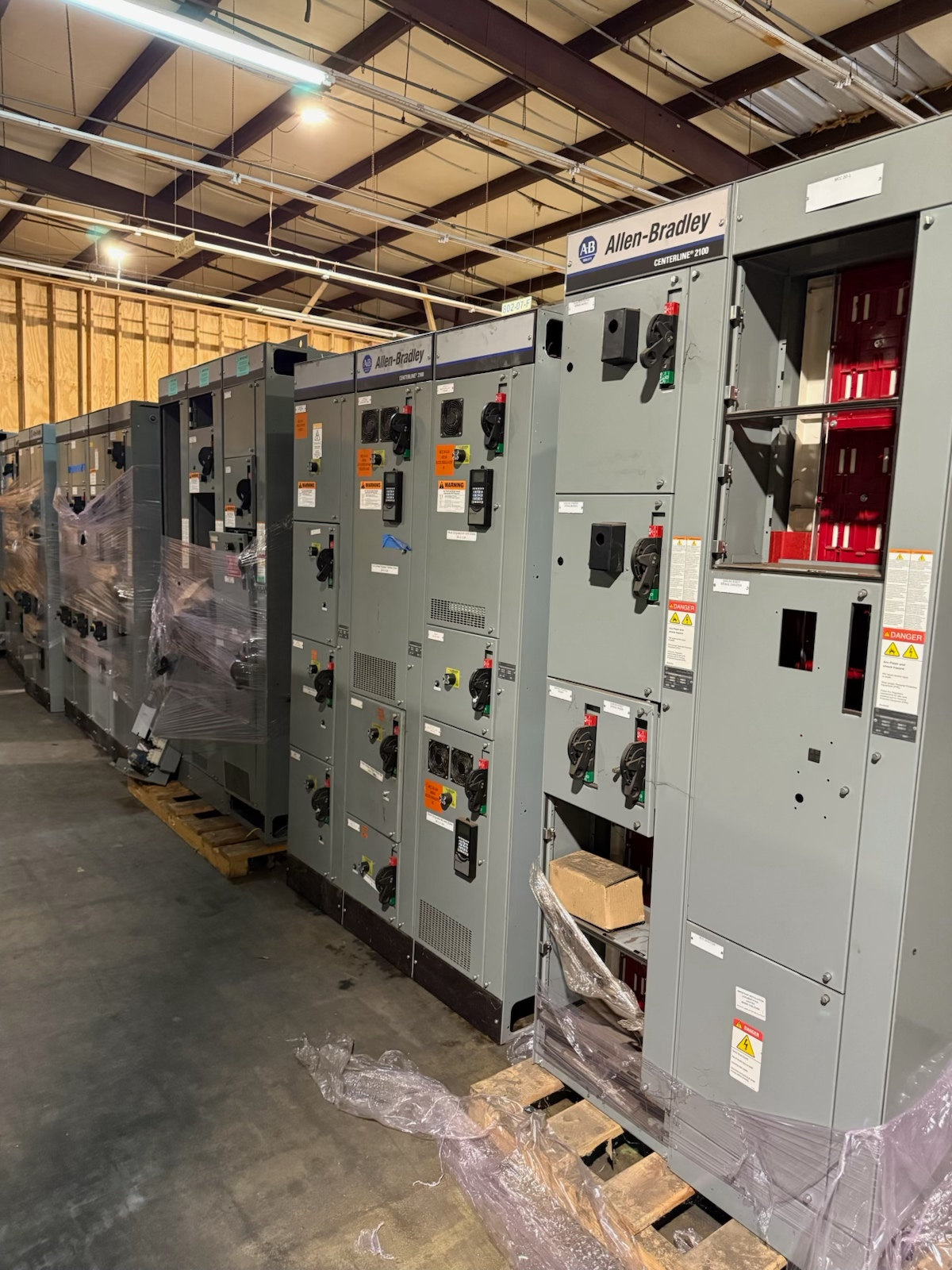
A sale involving several equipment types benefits from an inventory that distinguishes switchgear lineups from related distribution equipment, rather than combining everything under a single broad label. Note the number of groups or sections where records make that clear, and separate equipment by building area or decommissioning stage if that will help coordinate the sale. Include known manufacturer, labels, or other identifying information only when it is already available to the team.
For example, a facilities group could describe one stage as a lineup of switchgear and identify other distribution equipment scheduled for a later release, while marking unknown details for follow-up. Existing photographs can help clarify visible labels and general equipment arrangement, but no one needs to create access or take pictures in an unsafe area. The buyer can consider the information supplied and determine whether the actual equipment supports an offer; a sale proceeds only when both sides agree on the equipment and terms.
Coordinate Access Without Taking on Removal Work
A practical decision process separates the seller’s planning role from the physical pickup. The owner, contractor, or facilities team identifies the equipment being offered, communicates the project sequence, and controls site access through its own authorized personnel. The buyer handles all rigging and logistics, including cranes, rigging, disconnects, loading, freight, and hauling. The seller does nothing but get paid; the seller does not arrange or perform the removal work.
For a staged project, discuss which equipment is being sold in each release and how the planned dates relate to site access and remaining operations. This helps avoid treating a later-stage lineup as available simply because it appears in an initial inventory. Owners or their qualified personnel control access, and any information or photographs should come only from material already safely accessible. No seller electrical testing is required, and the seller should not open, energize, or dismantle equipment to prepare a sale.
Evaluate the Lot Before Committing
When several categories are involved, keep the proposed sale understandable by listing what is included in each group and identifying items that are not part of the offer. A property owner may be weighing a complete lineup against selected equipment, while a contractor may be coordinating more than one release. In either case, the useful decision points are the equipment actually available, the information already on hand, and the timing and access plan—not assumptions about condition or value.
The buyer makes a cash offer based on the actual equipment presented for consideration. Offer amounts depend on that equipment, and the sale requires agreement; an inventory is a way to support review, not a promise that every item will receive an offer. The buyer buys equipment across all voltage classes and does not require seller testing. Reviewing the proposed scope and offer together gives the facilities team a clear basis for deciding whether to proceed, revise the included lot, or leave an item out.
Arrange Payment and Pickup as Separate Decisions
Once the seller and buyer agree on the equipment and sale terms, payment is made upfront before pickup. That sequence can be incorporated into a staged decommissioning plan: confirm the agreed equipment group and its release stage, complete the payment arrangement, then coordinate access and removal. A facilities manager can keep internal project milestones distinct from the buyer’s pickup logistics while making sure the agreed scope matches the equipment intended for that stage.
Pickup does not transfer rigging or freight planning to the seller. The buyer covers freight and handles the cranes, rigging, disconnects, loading, and hauling needed for the agreed removal. The seller’s role remains limited to the sale and site access managed by the owner or its qualified personnel; the seller does nothing but get paid. This structure is relevant whether the offered equipment is a single switchgear group or a broader mix of distribution equipment.
Forest County Outreach for Decommissioned Equipment
Forest County property owners, contractors, and facilities teams can use this buyer service for used, surplus, or decommissioned switchgear, including equipment released in phases. The same process applies when a shutdown produces a mixed inventory of electrical distribution equipment: share the details already available, identify what is included and when each group may be released, and review the cash offer before agreeing to a sale. No seller testing is required, and payment is upfront before pickup.
The buyer also buys switchgear from decommissioned data centers and shut-down power plants. For any source or project type, the seller does not need to coordinate the physical removal: the buyer handles all rigging and logistics, including cranes, rigging, disconnects, loading, freight, and hauling. A concise inventory, a clear staged-release plan, and an agreed scope give a facilities manager a practical way to assess a sale without taking on pickup work.