Selling Switchgear Across York County
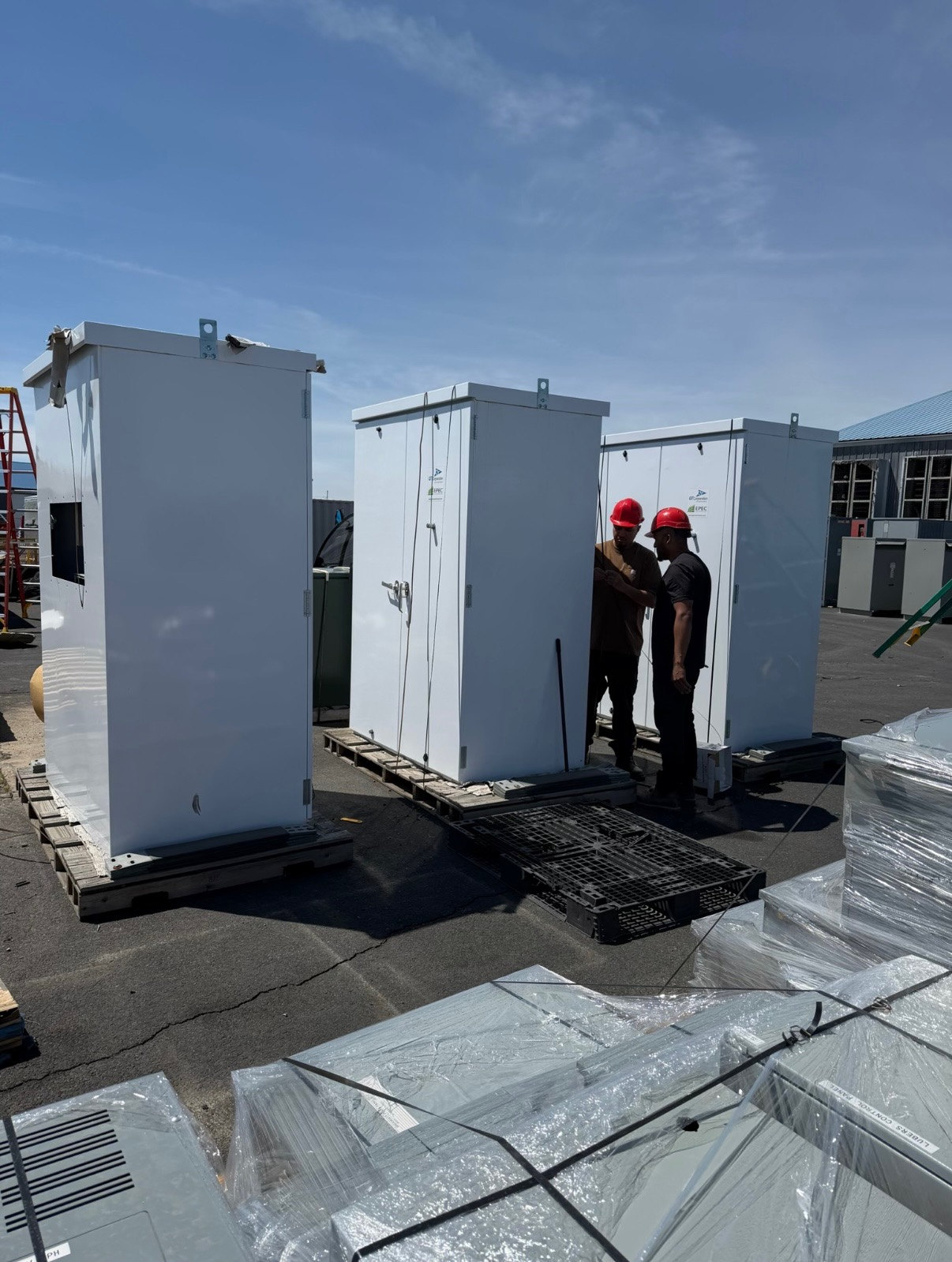
For a property owner, contractor, or facilities team in York County, a switchgear sale often begins with a practical question: what is surplus, and what should happen next? An electrical infrastructure upgrade may leave a company with equipment it no longer needs, while the project team still has to manage space, schedules, and site responsibilities. We buy used, surplus, and decommissioned switchgear throughout the county, with a process centered on identifying the equipment and arranging the physical removal.
You do not need to prepare the equipment for transport or organize a separate hauling crew. We make a cash offer based on the actual equipment, and payment is made upfront before pickup. If you accept the offer, we handle all rigging and logistics, including cranes, rigging, disconnects, loading, freight, and hauling. Your role is to share relevant information, decide whether the offer works for you, and get paid—not to perform or arrange the removal work.
Start With What Is Already Known
A useful first step is to gather the information already available to your team, rather than creating a new inspection task. Existing project records, equipment schedules, prior inventories, or labels that are safely accessible may help describe the switchgear. Relevant identifying details can include manufacturer, lineup or assembly designation, voltage class, configuration, and whether the equipment is presented as a complete assembly or as separate components. Share only what your personnel can access safely in the normal course of their work.
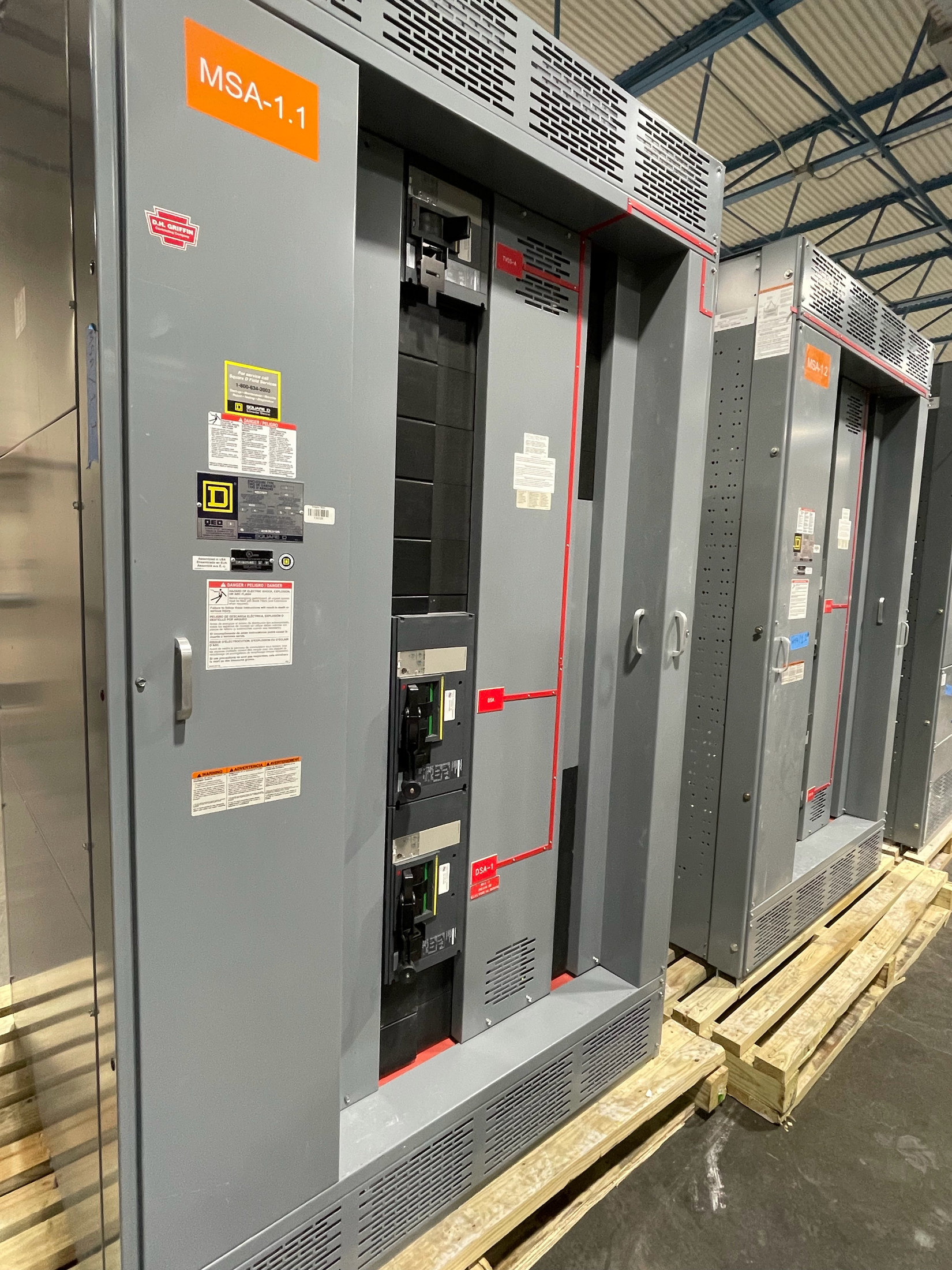
Photos can also clarify what is being considered, if they are already safely accessible. A clear view of existing labels or the overall equipment can help distinguish a lineup from loose breakers, sections, or other parts. Do not open, energize, test, dismantle, or otherwise approach equipment to create documentation. We require no seller testing, and information can be limited to what your team already has; an unknown detail is simply something to identify as unknown rather than guess at.
Distinguish an Assembly From Loose Components
The difference between a complete assembly and loose components matters when describing surplus gear from an upgrade. A connected lineup or an assembled section may be represented differently from individual breakers, panels, or parts stored separately. If a company removed some items from the original arrangement, note that distinction in the information provided. Avoid describing loose pieces as a complete lineup unless existing records support that description; accurate identification helps establish what equipment is actually under consideration.
For example, a contractor coordinating an infrastructure upgrade might have one group of assembled switchgear and another group of components retained as spares. Those should be described as separate lots or categories when that is how they are currently accounted for. Include known quantities or identifiers only when reliable records provide them. The purpose is not to conduct a technical evaluation for the buyer, but to make the scope understandable so an offer can reflect the actual equipment rather than an assumed configuration.
A Practical Decision Process
Once the available details are assembled, send a concise description of the equipment and explain the seller’s role—owner, contractor, or facilities representative—and who is authorized to make a sale decision. Note whether the gear is surplus from an electrical infrastructure upgrade, whether it appears to be a complete assembly or loose components, and what information is known about its identification. This gives the buyer a workable starting point without asking your team to develop a new technical report or arrange a site operation.
We review the information and determine whether the equipment is suitable for an offer. An offer is not automatic for every item, and its amount depends on the actual equipment; a sale proceeds only if both sides agree. If the proposed amount and terms work for you, payment is upfront before pickup. If they do not, you can decline. This straightforward decision point lets your team assess the offer before committing equipment or planning around removal.
Removal, Rigging, and Freight Are Handled
After an agreed sale, we coordinate and handle the physical work: disconnects, rigging, cranes, loading, freight, and hauling. The seller does not need to hire a crane, book transportation, source riggers, or take apart switchgear to make it easier to move. We take responsibility for the logistics involved in pickup, so a facilities team can keep its role focused on property coordination and the decision to sell rather than managing a separate chain of vendors.
Site access remains under the control of the owner or the owner’s qualified personnel, who determine when access is authorized and what site requirements apply. Beyond that access coordination, you are not asked to perform the removal or arrange its physical steps. The transaction terms are direct: cash offer, payment upfront before pickup, no seller testing, and no seller-managed rigging or freight. You provide information already available, agree to a sale if the offer suits you, and get paid.
Equipment Sources and Voltage Classes
We buy switchgear in all voltage classes, including used, surplus, and decommissioned equipment. That includes equipment associated with a company’s electrical infrastructure upgrade, as well as switchgear coming from decommissioned data centers and shut-down power plants. These are potential sources, not assumptions about any particular property in York County. Whether equipment merits an offer depends on what is actually available and how it can be identified, not simply on the type of site it came from.
For a countywide sale, keep the description grounded in verifiable details: what is present, which items are assembled, which are loose, and what identifiers are already known. That makes it easier for an owner, contractor, or facilities team to reach a clear decision without taking on testing or removal work. We cover freight and handle all rigging and logistics after agreement, with payment made upfront before pickup. The seller’s part remains simple: share accessible information, consider the cash offer, and get paid.