Selling Switchgear in Archbald, Pennsylvania
We buy used, surplus, and decommissioned electrical distribution equipment from owners in Archbald and throughout Pennsylvania. Our purchasing scope includes switchgear across all voltage classes, including equipment from decommissioned data centers and shut-down power plants. Each purchase depends on the equipment, its condition as represented, its completeness, and the practical scope of the transaction. We make cash offers when the equipment and sale terms are a fit; an offer is not assured for every item.
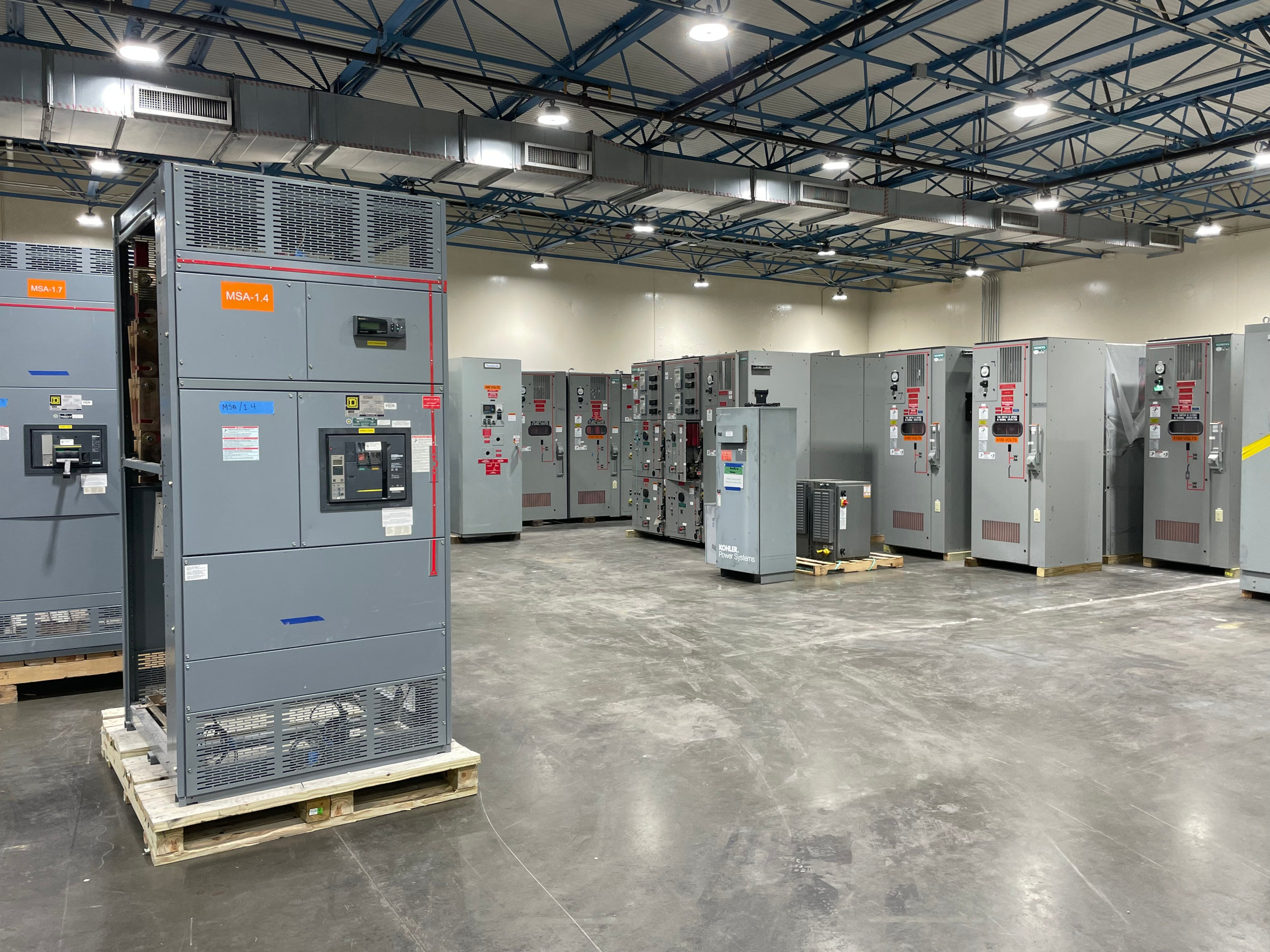
A useful first step is to identify what the inventory actually contains. A complete switchgear assembly is different from a group of loose breakers, relays, meters, control devices, or other components. That distinction affects how an owner describes the sale and lets us consider the equipment as presented rather than treating every electrical item as a complete lineup. For a warehouse operator with stored motor-control equipment, the inventory can be introduced by its known assembly and component groupings without assuming that it is operational or assigning an unverified condition.
Describe Assemblies and Loose Components Clearly
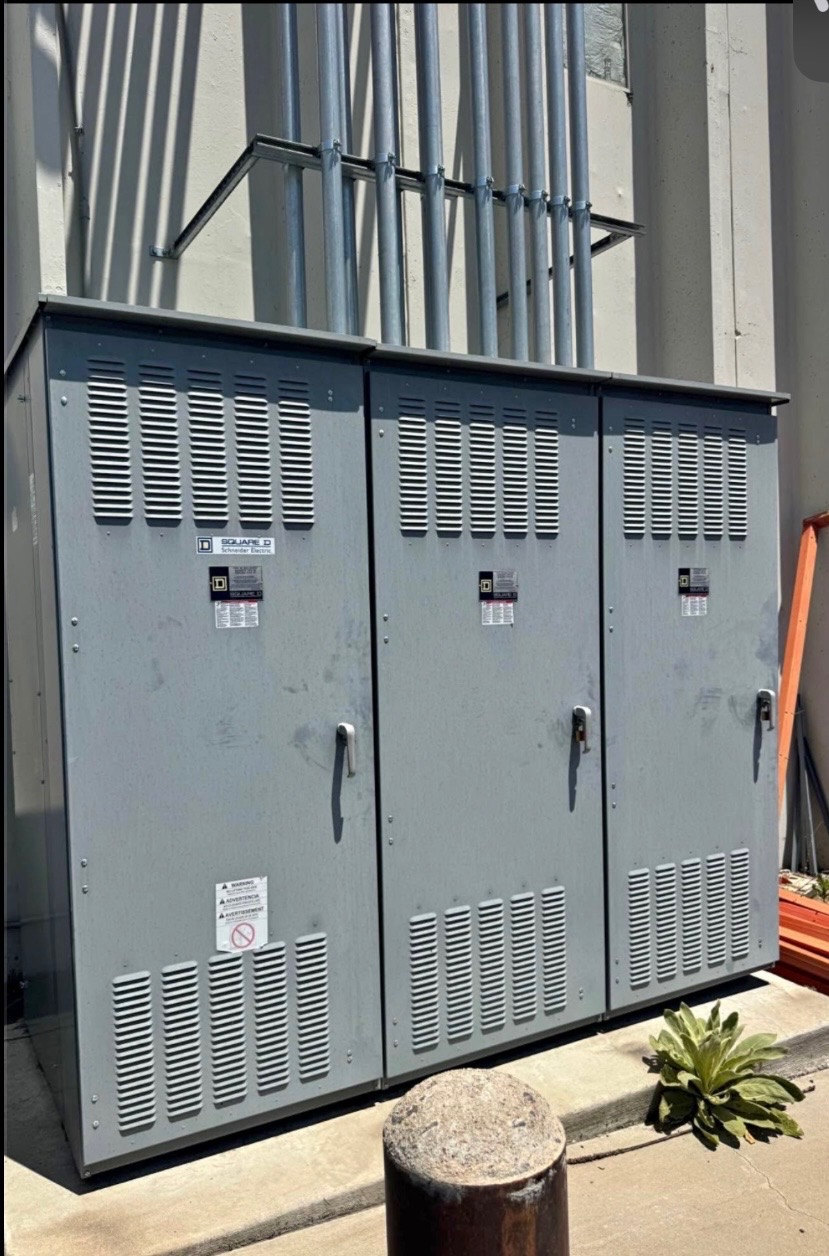
For an assembled lineup or motor-control center, describe the equipment as an assembly and provide any already-known information about its sections, associated components, and general configuration. If the inventory instead consists of removed or separately stored components, identify those as loose components rather than presenting them as complete switchgear. Mixed lots can be described by separating assembled equipment from parts and accessories. This makes the scope of the proposed sale easier to understand and avoids confusion about what is included.
Use information already available in your records or on existing inventory labels. Optional photographs or label details can help clarify identification when they are already safely accessible to the owner. No one needs to open equipment, energize it, test it, disconnect it, dismantle it, or physically handle it to begin a discussion. If operating condition is unknown, describe it as unknown. Stored motor-control equipment can be considered on the basis of the information provided, without presuming that it works or that it has been tested.
Share the Inventory Scope and Sale Context
A concise inventory description can cover the equipment type, whether it is assembled or loose, the approximate quantity, and any known manufacturer or identification information. Brands serve as identifiers; a brand name by itself does not establish condition, marketability, compatibility, or value. Include only details you can support. If records identify equipment as used, surplus, or decommissioned, that context can help explain why it is available while leaving its present condition accurately stated.
The sale context also helps define the scope. Let us know whether the owner is considering a particular group of equipment or a larger surplus inventory, and whether the equipment is stored together or in separate areas. For a warehouse operator, identifying which items belong to the proposed lot can be especially useful when motor-control assemblies and loose spares are stored in the same inventory. These details support a focused review; they do not obligate an owner to proceed or guarantee that every item will receive an offer.
Coordinate a Purchase Before Pickup
If the equipment and proposed scope are a fit, we discuss the purchase and pickup arrangement with the owner before anything is removed. A sale proceeds by agreement on the equipment and terms. Payment is upfront before pickup, and offers are cash offers. This sequence gives both parties a clear understanding of what is being purchased and when payment occurs before pickup begins.
The owner controls access to the property and equipment. Pickup coordination can account for the agreed inventory and the site’s access arrangements, without requiring the owner to perform equipment testing or prepare the equipment through hands-on work. We handle cranes, rigging, disconnects, loading, freight, and hauling as part of the pickup coordination. The specific arrangement depends on the agreed equipment and site circumstances, which should be discussed before the sale is finalized.
Plan Handling Around the Agreed Equipment
Handling requirements depend on what is being purchased. An assembled switchgear lineup or motor-control assembly presents a different pickup scope from a lot of separately stored components. Describing the equipment in those terms helps establish what needs to be included in the agreed transaction and supports coordination for the applicable crane, rigging, disconnect, and loading work. Freight and hauling are handled by us, with the pickup plan coordinated around the agreed scope.
Owners can provide information about access and storage based on what they know, while retaining control over site entry. There is no need to physically move or dismantle equipment to prepare an initial inventory description. If items are spread across storage areas, identify that arrangement in the discussion so the proposed lot and pickup scope can be understood. Final logistics are coordinated as part of an agreed purchase, rather than assumed from a city name or an unverified site detail.
Request a Review for Archbald Inventory
To discuss a possible sale, present the equipment description, the distinction between assemblies and loose parts, and any available identification or inventory information. Include the known sale scope and relevant access context. If a condition is not known, say so; if no testing information exists, do not infer operating status. Optional photos or labels are useful only when already safely accessible, and are not a reason to handle or open equipment.
We review the information to determine whether the equipment and proposed transaction are a fit and, where appropriate, discuss a cash offer and the purchase terms. A completed sale requires agreement, with payment upfront before pickup. When the scope is agreed, we coordinate cranes, rigging, disconnects, loading, freight, and hauling. This approach gives Archbald-area owners a direct way to present surplus or decommissioned distribution equipment while keeping inventory identification, payment timing, and pickup responsibilities clear.