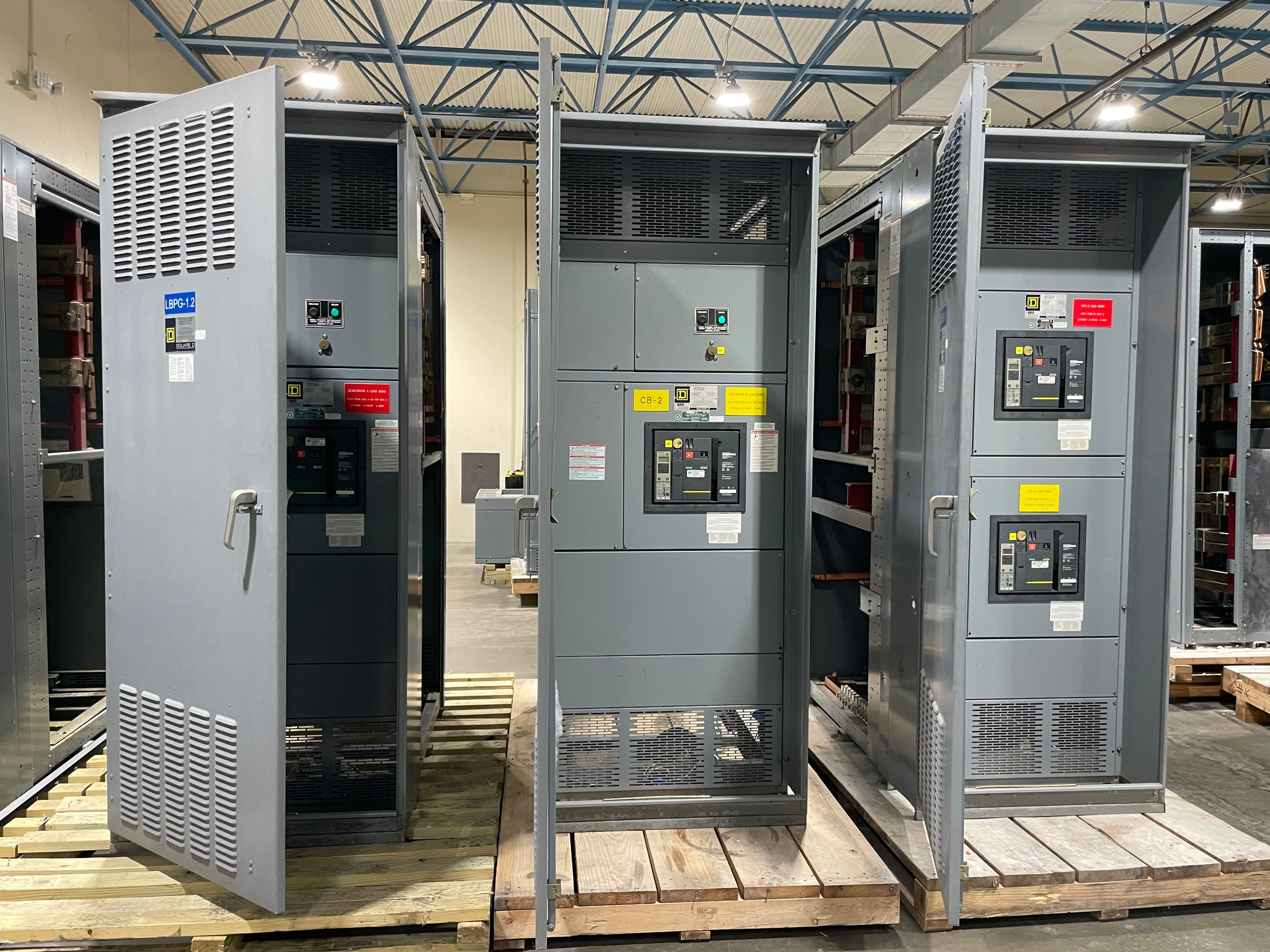
Sell removable MCC starter units in Pennsylvania
Removable motor control center starter units can be offered as individual loose units or as part of a larger equipment lot. That distinction helps define the proposed sale: identify whether the available inventory consists of separate units, complete MCC sections, or a combination, and describe which items are included. A lot may contain starter units alongside other electrical distribution equipment, but each category should be distinguished so its contents are clear.
We are an independent Pennsylvania buyer of used, surplus, and decommissioned electrical distribution equipment. We buy only; we do not sell equipment. Owners can submit information about removable starter units for review, with acceptance subject to the equipment and the terms agreed for the sale. A cash offer may be made when the items are suitable for purchase. Payment is upfront before pickup, and the seller is not asked to test the equipment.
Separate loose units from complete sections
For loose units, describe the quantity and whether the items are stored together or recorded as separate inventory. If some units remain associated with complete MCC sections, identify those sections as part of the lot rather than presenting the whole group as loose starters. This helps distinguish equipment that can be considered as individual units from equipment offered in a broader, assembled inventory, without requiring the seller to assess technical condition.
Make the proposed sale scope explicit: which loose units are included, whether complete sections are included, and whether other equipment is part of the same offer. If the count or grouping is uncertain, say so. An inventory can distinguish confirmed quantities from items that have not yet been counted. This is more useful than implying that an entire section is included when only its removable units are being offered, or that loose units belong to a section when that relationship is unknown.
Record identifiers and missing hardware
Model identifiers and other markings can help describe the inventory. Report only identifiers that are already visible and legible, and keep the wording faithful to the labels. If a marking is unclear, incomplete, or unavailable, record that as unknown instead of inferring a model or specification. Identifiers support review of what is being offered; they do not establish that units are complete, functional, compatible with other equipment, or suitable for a particular application.
Note known missing hardware at the level the seller can document, such as whether a unit is reported to be missing a piece or whether hardware has not been accounted for. Avoid guessing at names, quantities, or the effect of missing items. If a unit’s hardware status has not been checked, say that it is unknown. These distinctions give a buyer a clearer description of the actual inventory while leaving technical evaluation to qualified parties.
Describe documented storage condition
For each group, distinguish documented storage information from assumptions about condition. If records identify where or how equipment was stored, summarize only what those records state. If storage history is unavailable, incomplete, or not tied to specific units, describe that limitation. A record that equipment was stored is not, by itself, proof of its present condition, completeness, or ability to operate.
The seller does not need to perform testing for a sale inquiry. Do not energize, open, dismantle, disconnect, or physically inspect units to prepare information. Photos and labels are optional, and should be shared only when already safely accessible under the owner’s control. If no safe, accessible image or label is available, a written inventory with the known and unknown details is sufficient for an initial review.
Keep known facts separate from open questions
A useful description can separate confirmed facts, reported information, and unknowns. Confirmed facts may include an inventory count or a visible identifier; reported information may come from existing records; unknowns may include uncounted quantities, unverified hardware, or undocumented storage history. This separation avoids presenting an assumption as an established attribute and makes it easier to discuss the actual scope of a potential purchase.
Where records cover a mixture of loose units and complete sections, connect each record to the relevant group only when that relationship is clear. If provenance or grouping cannot be established, state that plainly. The goal is not to provide a technical assessment, but to describe what is offered with enough care that review can focus on the items and information actually available.
How the lot differs from a broad equipment sale
A broad used-equipment sale may include varied electrical distribution assets, while a removable-starter inquiry centers on the distinction between individual units and complete MCC sections. That narrower scope makes unit counts, identifiers, missing hardware, and storage documentation especially relevant. If the starter units are part of a larger surplus or decommissioned lot, describe both the specific starter inventory and the other equipment being offered, keeping the categories distinct.
The broader lot should not obscure what is known about the removable units, and the unit-level description should not imply that complete sections are included when they are not. Information about related equipment can provide context for the proposed sale, but each item remains subject to review. Acceptance depends on the equipment and agreement; an inquiry does not mean every unit or associated item will be purchased.
Offer, payment, and pickup coordination
After reviewing the described inventory and scope, we may make a cash offer for equipment we are prepared to buy. The offer and acceptance depend on the equipment and the parties’ agreement. If the offer is accepted, payment is made upfront before pickup. No seller testing is required as part of this arrangement, and the seller should not undertake technical evaluation or preparation involving the equipment.
We handle cranes, rigging, disconnects, loading, freight, and hauling as part of pickup coordination for equipment we buy. The owner controls access to the equipment and the site; pickup arrangements can be discussed once the sale scope and terms are agreed. This keeps the seller’s role focused on describing what is available, identifying known details and uncertainties, and agreeing on the items and terms of any purchase.