Sell Metal-Clad Switchgear in Pennsylvania
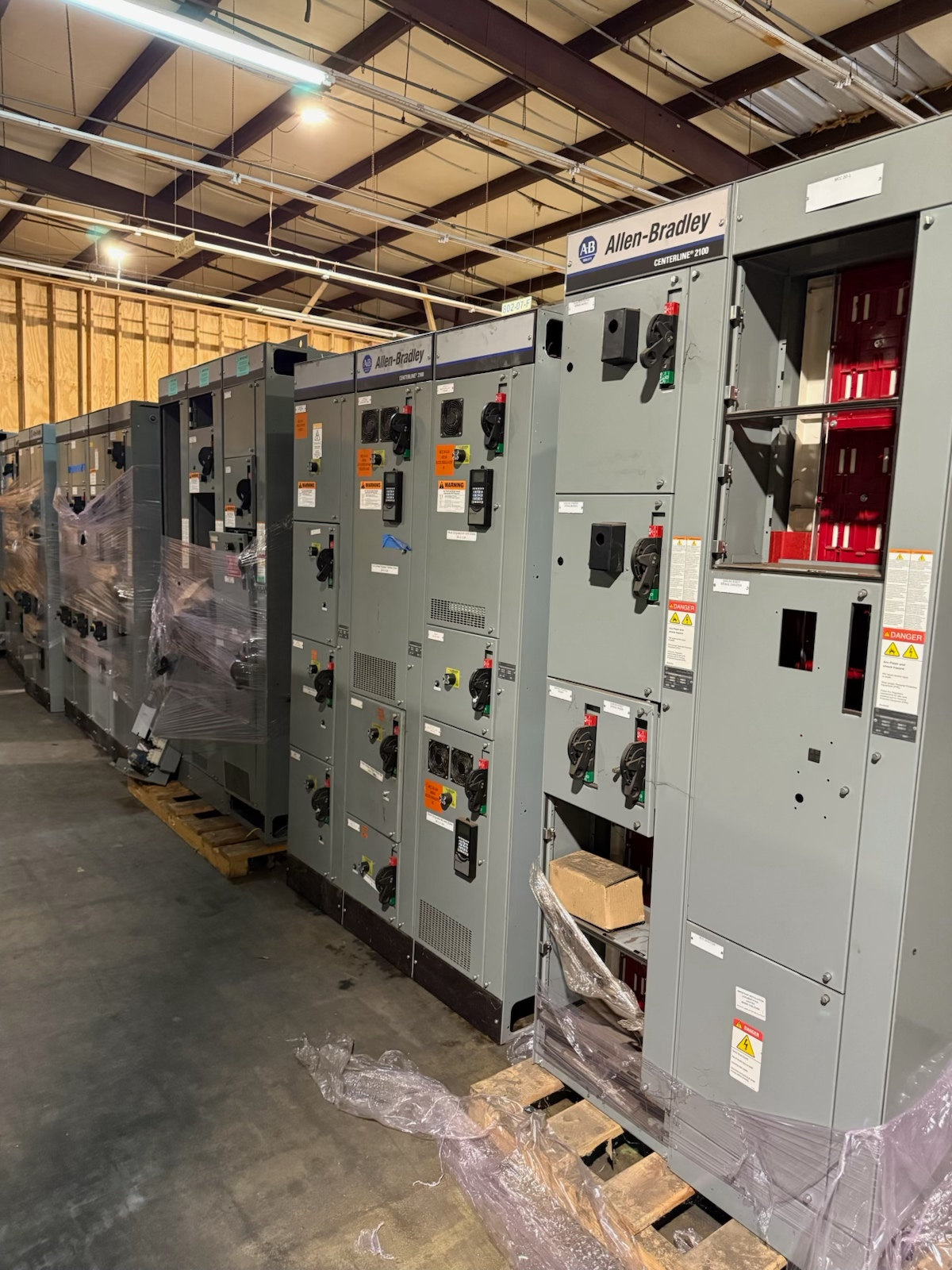
We buy used, surplus and decommissioned metal-clad switchgear in Pennsylvania. A sale can involve a complete lineup, selected compartments, or a detached breaker associated with a larger group of equipment. The first step is to reconcile what is actually included so the equipment under review matches the seller’s inventory and the intended scope of the sale.
Our focus here is the metal-clad lineup and its components, rather than a general mixed-equipment lot. We make cash offers for equipment we choose to buy, subject to review and agreement on the items and sale terms. Payment is made upfront before pickup. We do not require seller testing; technical evaluation and any handling needed to prepare equipment for collection belong to qualified parties.
Reconcile the Lineup and Its Components
Start with a written description of the lineup as it stands: which metal compartments are present, whether they are being offered together, and whether any breakers or other items are detached or excluded. Distinguish equipment that remains part of the lineup from loose items stored separately. If the inventory uses site-specific names or identifiers, preserve those labels in the description so they can be compared with documents and available photographs.
A complete lineup and a detached breaker are different sale scopes, even if they are associated with the same installation. State whether a breaker is included in the lineup, offered separately, or not part of the sale. Note any known gaps, removed components, or uncertainty without trying to resolve technical questions through assumptions. This helps keep the offer discussion tied to the equipment the seller intends to transfer.
Separate Known Information From Unknowns
Record facts already available to the owner, such as the number of compartments, the location of the equipment, and whether the lineup is being offered intact or as a defined group of parts. Existing inventory records and identification documents may help describe the equipment. If a document identifies a compartment or breaker, use its wording as written rather than inferring details that the record does not establish.
Keep unknowns explicit. If the relationship between a detached breaker and a lineup is unclear, or records do not account for every compartment, identify that gap for review. There is no need to create an inventory from physical inspection for the buyer. Owners control access, and any technical evaluation, inspection, or physical work must be handled by qualified parties. Information can be discussed based on what is already known and safely accessible.
Use Identification Documents Carefully
Available identification documents can help connect the equipment being offered with the seller’s records. These may include existing inventory descriptions, equipment schedules, or documents that identify compartments or breakers. Share only material already available to the seller. Photos and visible labels are optional, and should be provided only when they are already safely accessible without opening equipment, moving components, or changing site conditions.
Documents should support identification, not substitute for a confirmed inventory. Compare the item names and identifiers in the records with the proposed sale scope, and flag entries that appear incomplete or do not clearly correspond to a compartment or detached breaker. Do not infer ratings, condition, compatibility, or configuration from a partial label or an unrelated document. Those technical questions are for qualified parties to evaluate where needed.
Compare a Focused Sale With a Broader Lot
A focused metal-clad switchgear sale centers on the lineup and the specific compartments or detached breakers included. A broader equipment lot may combine switchgear with other used, surplus, or decommissioned electrical distribution equipment. These are not automatically the same transaction: the scope, inventory, and review differ according to what the seller wants to include and what is accepted for purchase.
If other equipment is available, describe it as a separate part of the discussion rather than blending it into the switchgear count. This makes it easier to understand whether the offer concerns the complete lineup, selected components, or a wider group of equipment. We buy switchgear from decommissioned data centers and shut-down power plants across all voltage classes; acceptance remains subject to review of the particular equipment and agreement on the sale.
Describe Collection Constraints
Share known collection constraints that could affect coordination, such as access limitations, site requirements, or restrictions on when qualified parties may work at the location. The seller does not need to plan or perform equipment handling for us. We handle cranes, rigging, disconnects, loading, freight, and hauling as part of coordinating pickup, with the details dependent on the agreed equipment and site arrangements.
Owners retain control of site access and decisions about the equipment. Do not disconnect, dismantle, move, or prepare switchgear for collection on our behalf. Any technical work or physical handling at the site belongs to qualified parties. Clear information about the agreed scope and known constraints helps coordinate a pickup without asking the seller to undertake those tasks.
Review, Offer, and Pickup
After the inventory and sale scope are discussed, we review the equipment under consideration. An offer is not assured for every item; whether we make an offer depends on the equipment and the review. The seller and buyer must agree on the specific items and terms before a sale proceeds. A description of the lineup, its compartments, and any detached breaker helps define what is being reviewed without overstating what is known.
For equipment we agree to buy, we make a cash offer and pay upfront before pickup. We do not require seller testing. Once the scope and terms are agreed, we coordinate collection and handle the cranes, rigging, disconnects, loading, freight, and hauling. This keeps the transaction centered on a reconciled inventory, a clearly defined lot, and a pickup plan based on the actual site constraints.