Start with an inventory of the gear
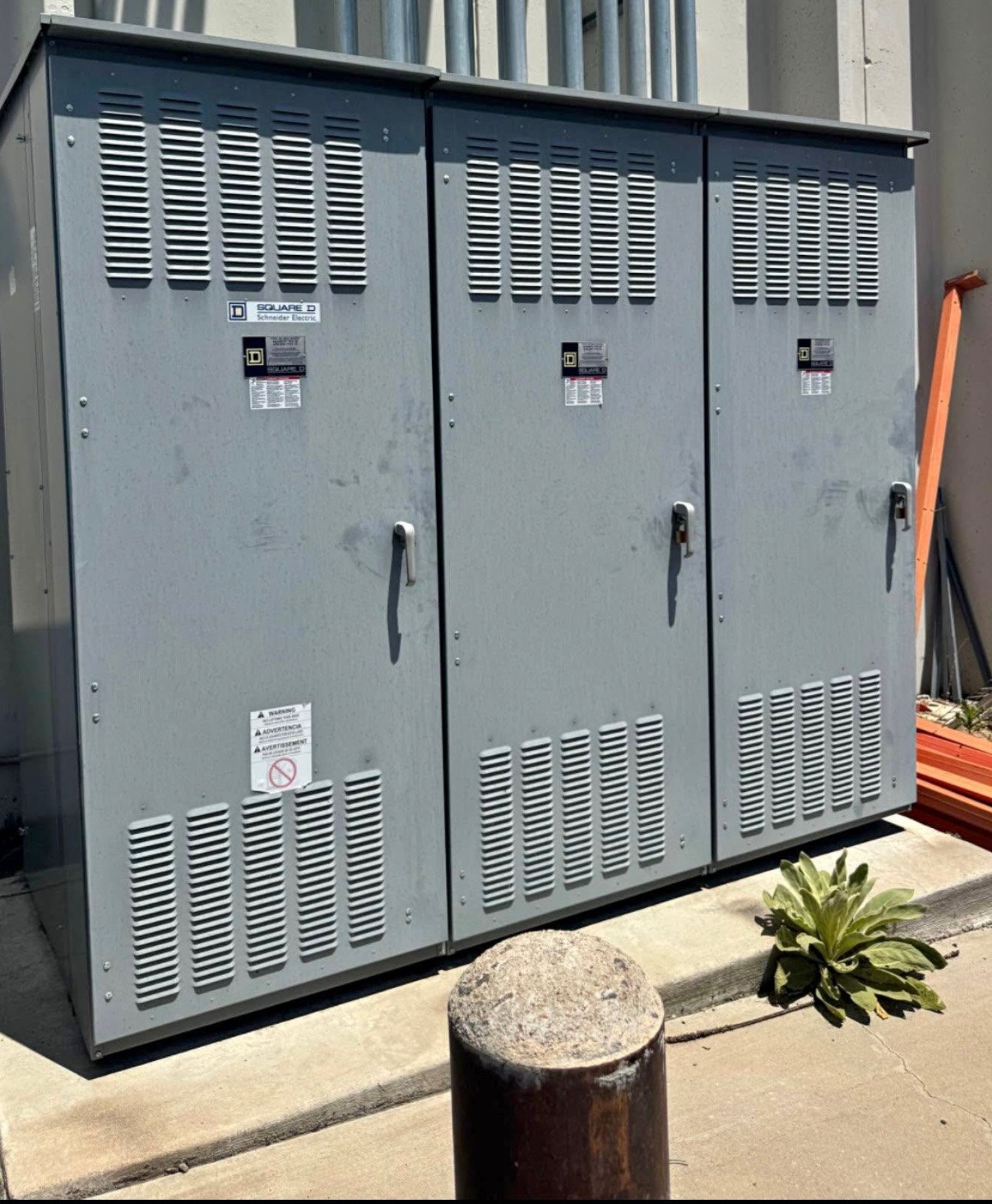
A useful first step in selling metal-enclosed switchgear is to describe what is present, rather than begin with a technical conclusion about its condition or suitability. Record the manufacturer’s construction designation as it appears on existing equipment records or labels, along with the number of sections or lineups, any known switch or breaker components, and the enclosure’s visible condition as already documented. Keep confirmed information separate from items that remain unknown. This gives a buyer a clearer basis to review the equipment without asking you to test it.
The term metal-enclosed identifies a construction category, not a complete description of a particular lineup. It should not be treated as interchangeable with metal-clad gear: the terms distinguish equipment constructions, and the specific designation matters when describing what is offered. If records use a different or abbreviated description, preserve the wording and flag the uncertainty instead of resolving it by guesswork. A buyer can review the stated designation and available inventory details as part of deciding whether to make an offer.
Describe components without assuming their condition
For each lineup or group, note which switches or breakers are identified in the records, and whether the inventory indicates that components are present, absent, or not documented. Distinguish a known component from a presumed one; do not infer equipment content from a lineup’s appearance or from a general description. If component identification is incomplete, that is still useful information when stated plainly. The buyer’s review can then reflect both the equipment described and the limits of what is known.
You do not need to arrange testing to present metal-enclosed switchgear for consideration. We buy used, surplus, and decommissioned electrical distribution equipment, and seller testing is not required. Keep the offer discussion focused on existing records and information already safely accessible to you. Any technical evaluation belongs to qualified parties; do not energize, open, disconnect, dismantle, or physically handle equipment to answer inventory questions.
Record enclosure condition as observed
A practical inventory separates enclosure observations from assumptions about internal condition. Existing photographs or records may show exterior damage, missing or displaced panels, corrosion, markings, or other visible changes. Describe only what those materials show, and identify the date or source if it is already known. An exterior observation does not establish the condition of internal components, nor does an undocumented concern establish a defect. Keeping those categories distinct makes the equipment description more reliable.
Photos and labels are optional. Share them only when they are already safely accessible, and do not enter restricted areas or approach equipment to obtain additional views. Owners control access to the site and equipment. If a condition cannot be confirmed from information already available, mark it unknown rather than attempting an inspection. The purpose of an inventory is to support a buyer’s initial review, not to substitute for qualified technical assessment or to promise that a particular item will be accepted.
Clarify metal-enclosed versus metal-clad descriptions
Metal-enclosed switchgear should be identified by its documented construction designation, not merely by a broad impression that the equipment is enclosed. Metal-clad is a distinct designation, so confusing the two can obscure what the seller is offering and complicate review of the lineup and components. Use the manufacturer’s wording from existing records or labels when available. If the documentation does not settle the designation, state that it is unresolved; a buyer can consider the uncertainty when reviewing the information.
This distinction is especially useful when a site inventory groups different types of distribution equipment together. Separate metal-enclosed items from equipment described as metal-clad or from items whose construction is not established. Do not revise a designation to make the equipment sound more familiar or marketable. Accurate classification helps keep the discussion specific to the equipment at hand while leaving technical interpretation to qualified parties.
Present knowns and unknowns clearly
A concise inventory can state the manufacturer designation, lineup grouping, known switches or breakers, enclosure observations, and the source of each fact. It can also identify gaps: component details not recorded, an uncertain construction description, or condition information that is unavailable. This is not a request to create records you do not have. A clear distinction between documented facts and unknowns allows a buyer to evaluate what can be reviewed and determine whether the equipment fits its purchasing needs.
The same approach helps avoid overstating completeness. A description such as “breaker components identified in the records” is more precise than suggesting that all components are present when that has not been established. Likewise, describe an enclosure as visibly damaged only when available information supports that statement. An offer is subject to review and depends on the equipment; not every item will receive an offer. No inventory format can guarantee acceptance or a particular outcome.
Coordinate a purchase without seller testing
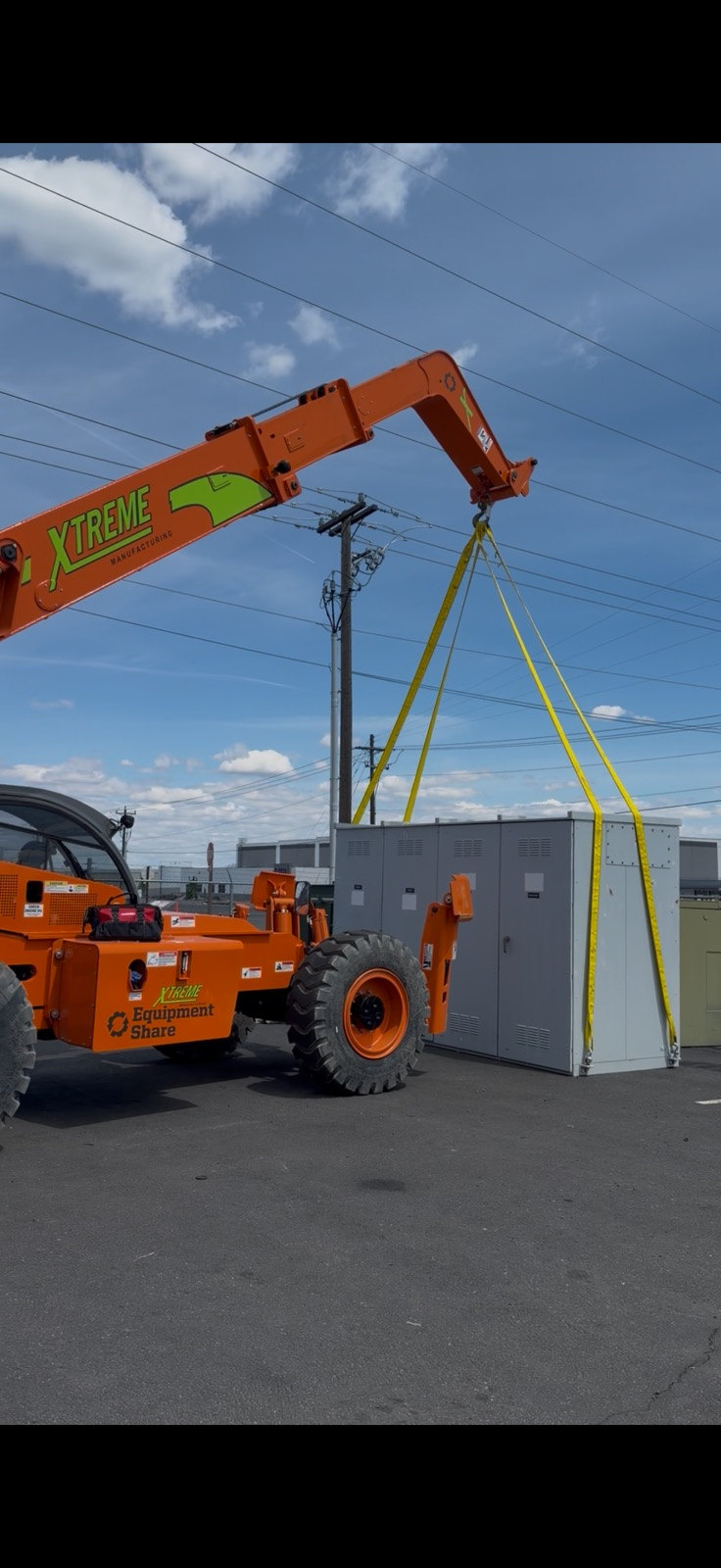
We buy used, surplus, and decommissioned electrical distribution equipment, including switchgear from decommissioned data centers and shut-down power plants, across all voltage classes. For metal-enclosed switchgear, the starting point is the inventory and the information available for buyer review. We make cash offers when the equipment is a fit. The offer depends on the equipment and review, so an inquiry is not a promise that every lineup, component, or partial inventory will be purchased.
If we agree on a purchase, payment is made upfront before pickup. We handle cranes, rigging, disconnects, loading, freight, and hauling as part of coordinating the pickup. Sellers are not asked to test the gear. Site access and coordination remain subject to the owner’s control, and any required technical work belongs to qualified parties. This keeps the sale discussion centered on the inventory, the agreed equipment, and the arrangements needed for a purchase.
Move from inventory review to an offer
Before discussing a sale, group the metal-enclosed equipment clearly and separate it from any metal-clad gear or equipment with an unresolved construction designation. Include only component and enclosure details supported by existing records or safely accessible information. Indicate what is known, what is uncertain, and whether the offered inventory is a complete lineup or a smaller group, if that is already established. These details help focus review without requiring seller testing or physical handling.
After reviewing the information, a buyer can determine whether to make an offer for the equipment described. Acceptance is subject to review, and purchase interest depends on the specific equipment; an offer is not assured for every item. Where a purchase is agreed, cash payment is upfront before pickup, and we coordinate cranes, rigging, disconnects, loading, freight, and hauling. The seller’s role is to provide an accurate account of the inventory and coordinate access under the owner’s direction.