Selling solid-dielectric switchgear in Pennsylvania
We buy used, surplus and decommissioned solid-dielectric switchgear in Pennsylvania. A sale begins with clear ownership and a defined scope: identify who has authority to sell, which equipment is included, and whether related components or enclosures are part of the offer request. We make cash offers for equipment we may be able to purchase; acceptance depends on review of the specific equipment and agreement between the parties.
Solid-dielectric construction is an important starting point, not a complete description of an assembly. To help us understand what is being offered, distinguish information confirmed by an existing label or record from details that remain unknown. This helps keep the sale discussion grounded in available evidence without assuming that equipment with a similar appearance or name has the same design or compatibility.
Confirm ownership and sale authority
Before discussing the equipment, establish that the seller owns it or is authorized to act for the owner. This matters when gear is held by a business, facility operator, asset manager, contractor, lender, or other representative. If ownership or authority is shared, clarify who can approve the sale and sign the agreement so that the scope and decision process are understood before pickup is arranged.
Also identify any limits on what may be sold. A facility may retain certain components, include equipment in another asset transfer, or require approval from more than one party. Describe those boundaries early, including whether the proposed sale covers a complete assembly, selected sections, or equipment offered together with associated items. We can consider the defined scope, but a purchase is subject to review and agreement.
Identify construction from available records
Use existing equipment documentation to establish what is known about the solid-dielectric construction. A nameplate, inventory record, prior purchase document, or maintenance record may help identify the equipment and its stated characteristics. Information can be shared from records or from labels and other details that are already safely accessible. No one needs to approach or manipulate equipment to provide this information; access and any physical work remain under the owner’s control and with qualified parties.
Keep verified details separate from assumptions. If a record identifies the equipment as solid-dielectric, report that wording and its source; if construction is uncertain, say so. Do not infer voltage class, application, operating condition, included accessories, or compatibility from the enclosure’s appearance or from another unit’s documentation. Unanswered questions can remain marked as unknown for review rather than being filled with guesses.
Describe the enclosure and the sale scope
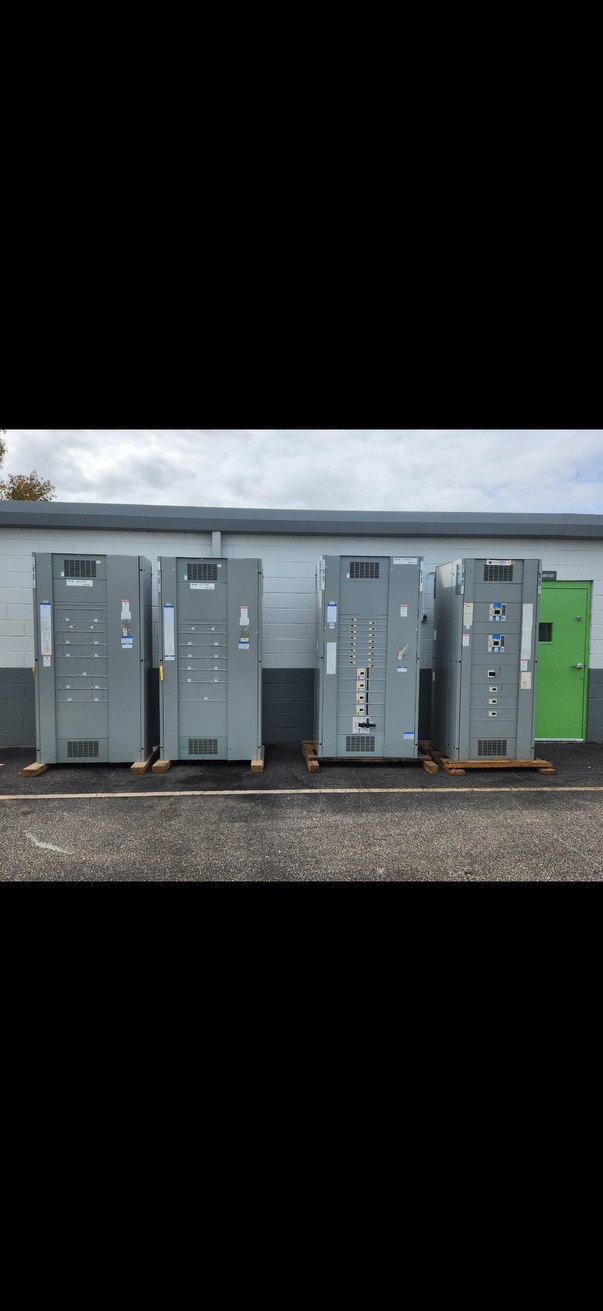
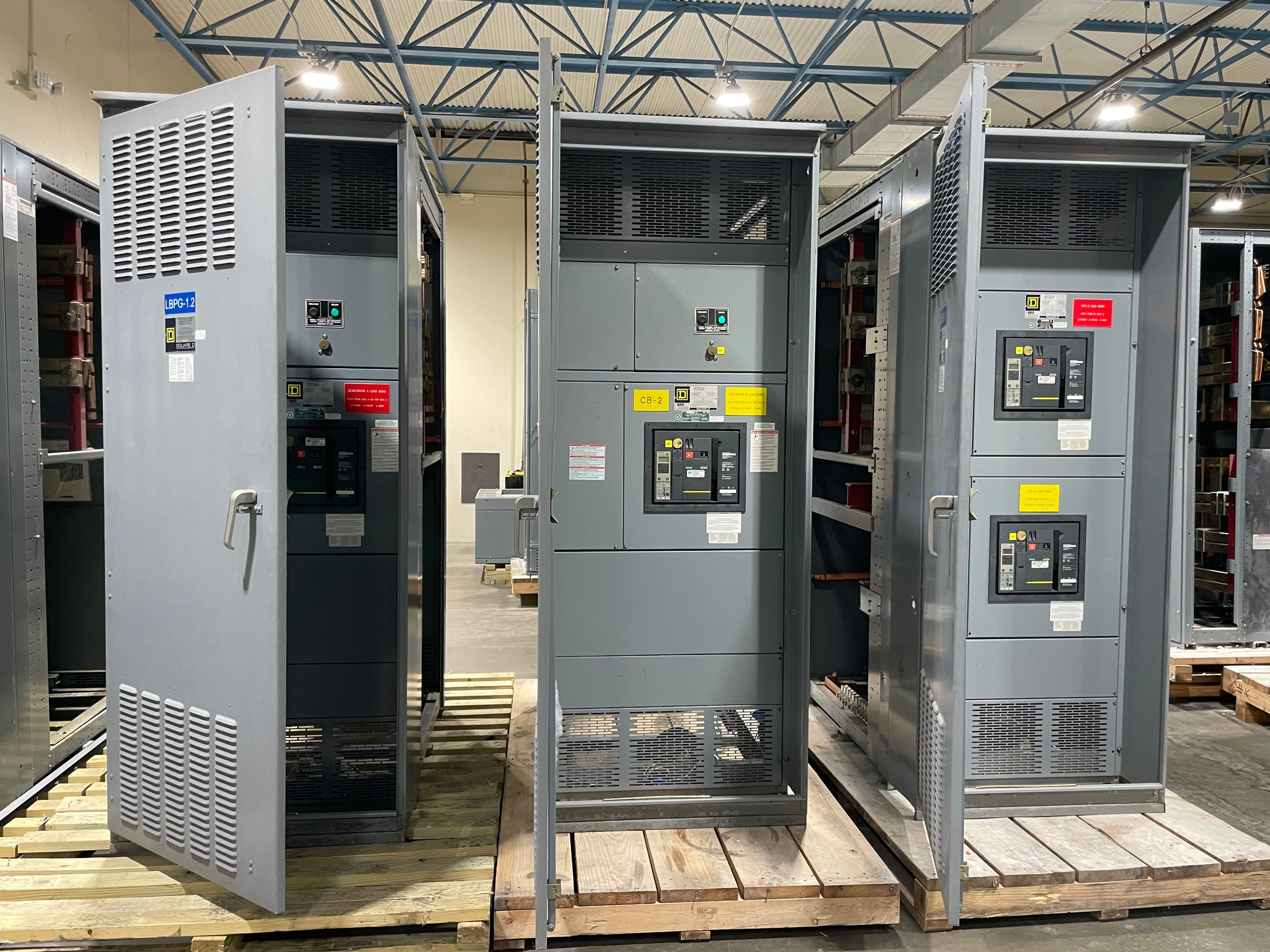
A useful description explains what the enclosure looks like in the available records and what is visibly documented, without requiring anyone to open it or inspect internal parts. Note the number of sections or units only when that information is already known, and identify any labels or inventory descriptions that distinguish the equipment. If the enclosure’s condition is documented, report the observation and its source; avoid turning an incomplete visual description into a conclusion about internal condition or operating status.
Clarify what the proposed sale includes and excludes. For example, state whether the request concerns the switchgear alone or a broader group of listed assets, and identify any known items that are not part of the transaction. If component boundaries, quantities, or ownership are unclear, flag that uncertainty directly. A precise scope helps us review the actual offering and prevents assumptions about related equipment, spares, or facility assets being treated as part of the sale.
Share information without seller testing
We do not require seller testing. Do not energize, open, disconnect, dismantle, or physically handle switchgear to prepare an offer. Technical evaluation and any work involving the equipment belong to qualified parties under the owner’s control. Existing records and information already safely available are a practical basis for an initial discussion; missing test results can simply be identified as unavailable.
Photos are optional and useful only when they can be taken from a location where the equipment is already safely accessible. Existing photographs or label information may help clarify identity and enclosure details, but they do not establish compatibility or replace technical evaluation. The owner controls site access and all decisions about who may enter or work at the equipment. We can review the information provided and determine whether the equipment may fit a purchase, subject to review and agreement.
Coordinate pickup and payment
For a purchase we agree to make, payment is upfront before pickup. This payment sequence is part of the sale coordination and should be clear before equipment is collected. We discuss the agreed equipment and pickup scope with the seller so the transaction reflects what is being purchased, rather than an assumed or undefined group of assets. Cash offers are based on review of the particular equipment; not every item will receive an offer or be accepted.
We handle cranes, rigging, disconnects, loading, freight, and hauling as part of pickup coordination. The seller does not need to arrange these services for us. Site access and owner authorization still govern when and how pickup can proceed, and any technical work or physical handling is performed by qualified parties. We coordinate the logistics for the agreed sale without asking the seller to prepare the equipment through testing or hands-on work.
Review the offer against confirmed details
When considering a sale, keep the discussion anchored to the identified owner, included equipment, available construction records, enclosure description, and known unknowns. These details allow us to review the actual scope without treating a general product name as proof of a particular design, rating, or application. If additional information becomes available through existing records, it can be added to the discussion; unsupported assumptions are not needed to move the conversation forward.
We buy solid-dielectric switchgear across all voltage classes, including equipment from decommissioned data centers and shut-down power plants. That broad purchasing interest does not mean every assembly is suitable for purchase. Any cash offer and sale remain subject to review of the specific equipment, defined scope, and agreement. Once the terms are agreed, payment is made upfront before pickup, and we coordinate the listed pickup logistics.