Decide whether to offer the assembly or its components
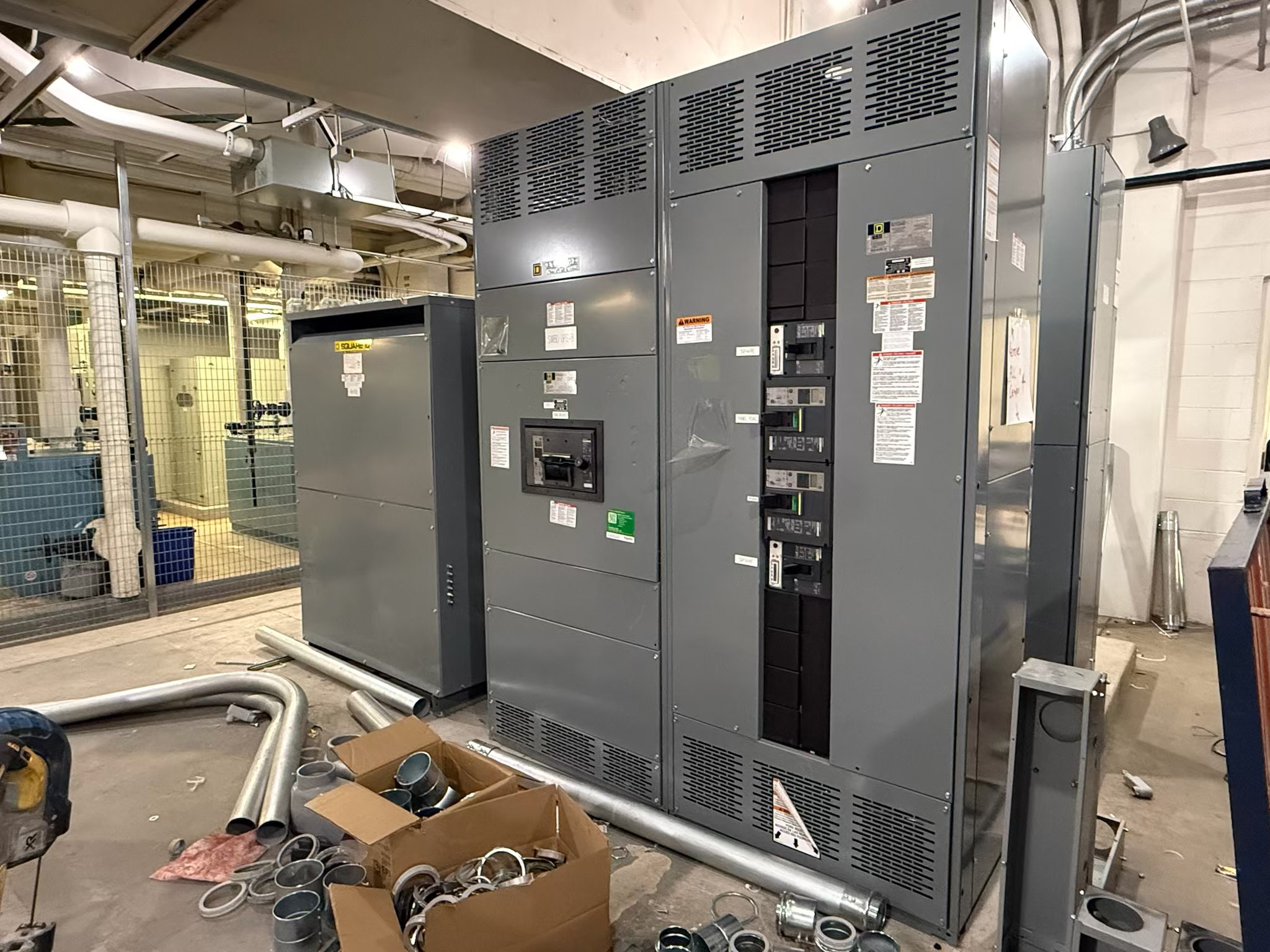
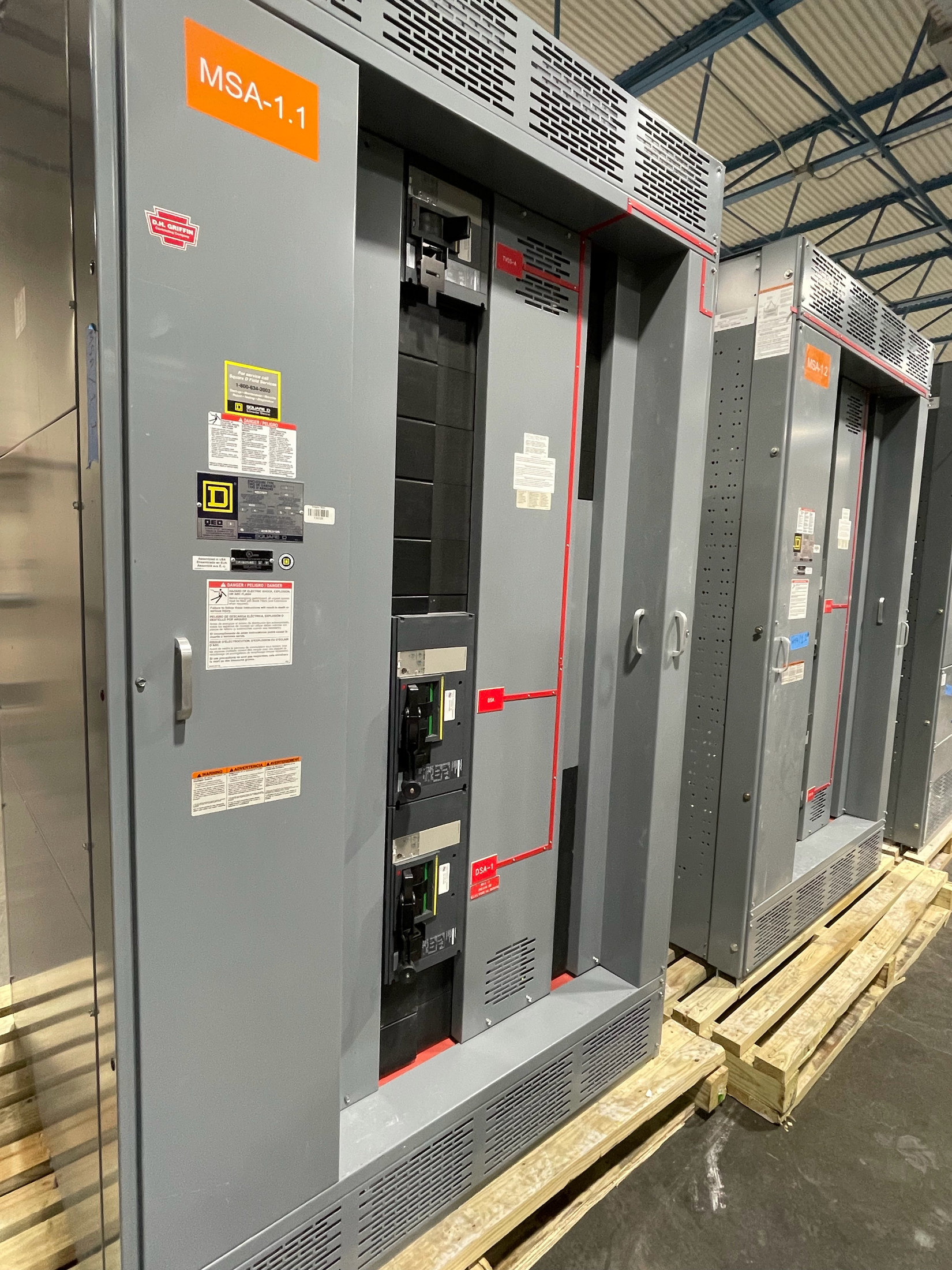
If you are considering a sale, first decide whether the equipment is being offered as an identifiable arc-resistant switchgear assembly or as separate equipment and loose components. An assembly may include connected sections, associated compartments, and parts that belong to the equipment as configured. Loose breakers, relays, doors, barriers, or other items should be described separately when they are not being offered as part of that assembly. This distinction helps us review what is actually available without treating a collection of parts as a complete lineup or assuming components remain together.
We buy used, surplus, and decommissioned electrical distribution equipment, including arc-resistant switchgear from decommissioned data centers and shut-down power plants, across all voltage classes. Acceptance is subject to review and depends on the equipment and sale terms. Our business is buying equipment, not selling it. If the sale proceeds, we make a cash offer and pay upfront before pickup. We do not require seller testing. You remain in control of access to the equipment and any information shared during the review.
Describe the equipment and its present scope
A useful initial description identifies the manufacturer, any model or lineup designation shown in existing records, the number of sections if known, and whether the offer covers an assembled lineup or selected items. Include known nameplate information and the equipment’s current location within the facility only to the extent you can report it accurately. If records do not establish a detail, identify it as unknown rather than filling gaps by inference. Manufacturer names and labels help identify equipment; they do not by themselves establish condition, acceptance, or an equipment rating.
Clarify whether the offered scope includes associated control or protection equipment, spare parts, accessories, or documentation. State which items are included, excluded, or being offered separately. If sections have already been separated, or components are stored apart from the lineup, describe that arrangement without suggesting the original assembly remains intact. This prevents confusion between an equipment package and loose components and gives us a clearer basis to decide whether to make an offer.
Record rating information without extending its meaning
If a manufacturer rating or arc-resistant designation appears on an existing nameplate, document, or label that is already safely accessible, you may report the wording as shown. Distinguish a direct transcription from information recalled from prior records. Note which section or component the information refers to when that is known; do not assume a rating applies to every section, an altered configuration, or individual loose components. A label is useful identification information, not a substitute for qualified technical evaluation.
Keep stated facts separate from unresolved questions. For example, records may identify the manufacturer and lineup while leaving the current configuration, completeness, or relationship between loose parts and the assembly uncertain. Describe those limits plainly. Do not infer that a manufacturer designation proves that protective performance remains effective after removal, relocation, alteration, or separation. Evaluation of technical condition and any protection-related conclusions belong to qualified parties; we review equipment for a potential purchase, not for technical certification.
Share records and optional identification details
Existing inventory records, equipment schedules, purchase or maintenance documents, and photographs can help identify what is offered. Sharing them is optional. Photos and labels should be supplied only when they are already safely accessible; do not approach, open, energize, disconnect, dismantle, or handle equipment to gather information for an inquiry. You can provide a written inventory summary instead, including which details come from records and which are not confirmed.
For an assembly, records showing section identifiers or lineup scope may help distinguish it from separately stored components. For loose items, describe the available quantity and any known connection to the original equipment without asserting a match that records do not establish. If documentation is missing, say so. The review can proceed from information you can provide safely, and uncertainty about a particular detail does not need to be replaced with a guess.
Coordinate review around ownership and access
The owner or authorized site contact controls access and determines what information can be shared. We can review the equipment description and available records with that contact and discuss whether the scope merits a purchase offer. No seller testing is required for us to consider an offer. Any technical inspection or evaluation that a party separately needs is for qualified parties to arrange and conduct under the owner’s access requirements; our purchase review does not direct seller work on the equipment.
When an offer is made, it is subject to agreement on the equipment and sale terms. A purchase is not assured for every assembly, section, or loose component. If you accept the agreed terms, payment is made upfront before pickup. Confirming the agreed scope in advance is particularly useful when an offer includes some sections or components but not others, so the payment and pickup arrangement correspond to the items being sold.
Plan removal and transportation with the buyer
For an agreed purchase, we handle cranes, rigging, disconnects, loading, freight, and hauling. The owner retains control of the site and its access arrangements; equipment removal and transportation are coordinated with the owner or authorized contact. You do not need to arrange those services as part of the sale. No physical handling is needed from you to request a review or discuss the offered scope.
Describe any known site access or scheduling constraints through the authorized contact so the parties can coordinate pickup for the equipment covered by the agreement. Do not move or prepare the switchgear or components yourself for an inquiry. The equipment’s assembly status, the agreed sale scope, and the owner’s access arrangements inform coordination; handling and removal are managed by us as part of an agreed purchase.
Make a clear Pennsylvania sale inquiry
A concise inquiry can identify the equipment as arc-resistant switchgear, state whether it is an assembled lineup or loose components, and summarize what is known about manufacturer markings, records, and completeness. Include the facility context—such as a decommissioned data center or shut-down power plant—when applicable and available to share. Mark unverified details as unknown and separate included items from items that are excluded or offered independently. This gives us information specific to the equipment without presuming a technical outcome.
We consider used, surplus, and decommissioned switchgear across all voltage classes, but a purchase depends on review and agreement. If the equipment is suitable for an offer, we provide a cash offer, pay upfront before pickup, and handle cranes, rigging, disconnects, loading, freight, and hauling. We do not ask sellers to test the equipment. An inquiry starts a purchase discussion; it does not establish that a particular lineup or component will be accepted.