Selling outdoor switchgear enclosures
Outdoor switchgear enclosures may be offered as complete assemblies or as part of a larger surplus lot. For a Pennsylvania sale, the useful starting point is a clear distinction between the outdoor equipment and other equipment stored indoors or included in the same project. Identify the enclosure configuration as it is known, what equipment is included, and which details remain uncertain. We buy used, surplus and decommissioned electrical distribution equipment, including switchgear from decommissioned data centers and shut-down power plants across all voltage classes. Acceptance is subject to review and depends on the equipment and sale terms.
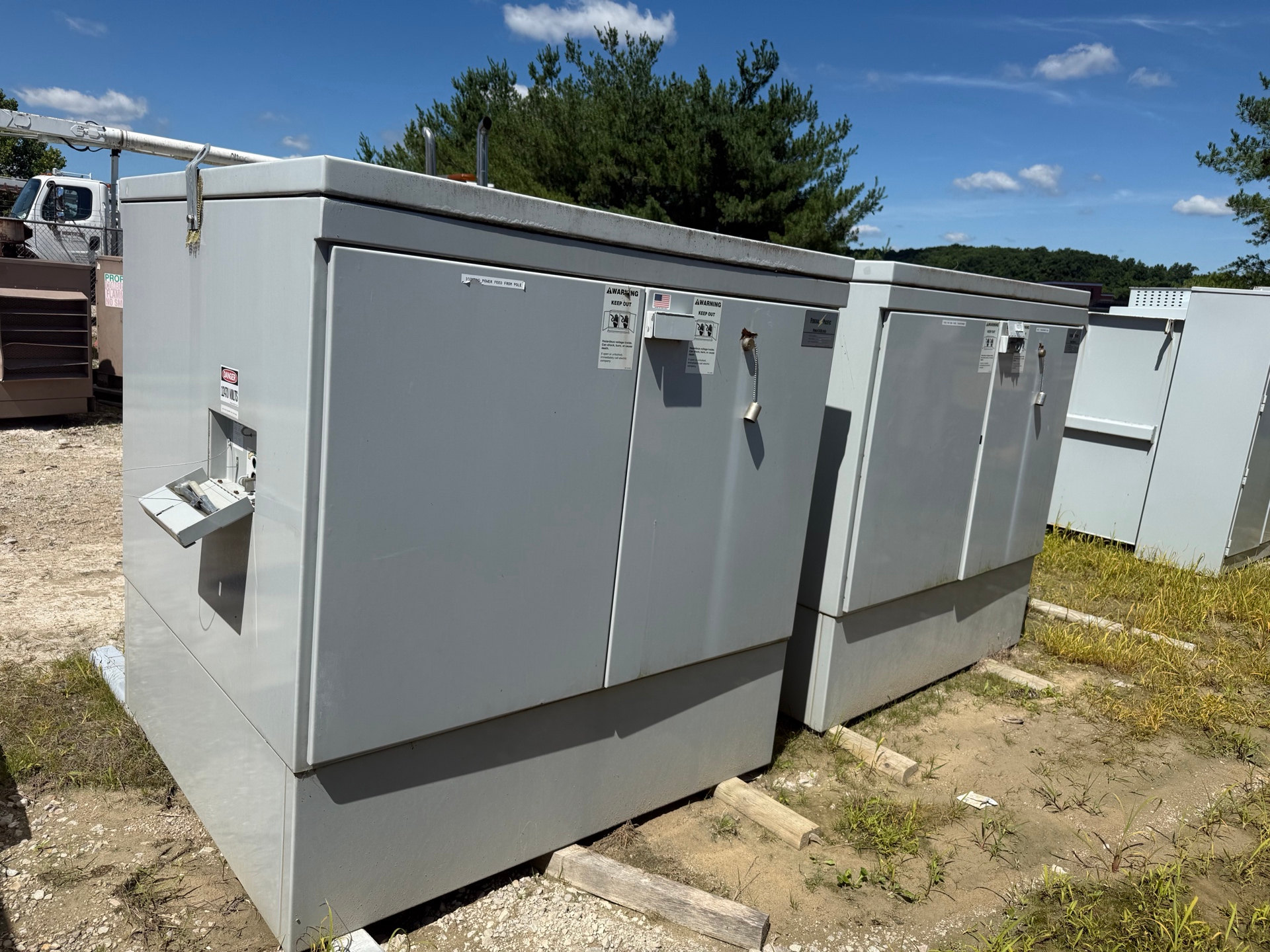
An enclosure’s outdoor history can affect how a buyer reviews its condition and scope. Weather exposure, visible damage, missing or unclear identification, and the relationship between the enclosure and its associated equipment are relevant points to describe. These observations are not a technical evaluation or a substitute for assessment by qualified parties. Owners retain control of the equipment and site; any review or coordination should respect access restrictions and rely on information already available without requiring the owner to test or handle the assembly.
Weather exposure and observed condition
Describe the exposure history only to the extent it is known. For example, note whether the assembly was in outdoor service, stored outdoors after removal, or kept under cover, and distinguish confirmed history from an estimate. If conditions varied across the lot, separate the affected items rather than treating every enclosure as though it had the same storage or service history. Such context helps frame review without implying a condition rating or predicting performance.
Visible damage can also shape the discussion. Report apparent exterior damage, corrosion, water-related signs, damaged doors or panels, or other observable concerns in plain language, while avoiding conclusions about internal condition or suitability. If a detail cannot be verified from information already at hand, identify it as unknown. No seller testing is required for an offer, and sellers should not open, energize, disconnect, dismantle, or physically inspect equipment to answer questions. Qualified parties handle technical evaluation.
Configuration, scope, and known information
Outdoor assemblies can differ in configuration and in what is included with the enclosure. Clarify whether the proposed sale concerns an enclosure alone, switchgear within it, associated equipment, or a broader group of distribution equipment. Where known, summarize the arrangement using existing inventory records or visible labels that are already safely accessible. Labels and photographs are optional; do not approach, move, open, or access equipment to obtain them. A concise account of what is included is more useful than unsupported assumptions about ratings, condition, or compatibility.
Separate known details from open questions. Records may identify the origin, service status, or broad contents of an assembly, while other details may be unavailable. State the source or limits of that information when helpful, and avoid turning an estimate into a fact. We review the equipment and proposed scope before determining whether an offer is appropriate. Any acceptance depends on that review and agreement on the sale; an outdoor enclosure or an entire lot is not automatically suitable for purchase.
Compare storage with an offer
Keeping outdoor equipment in storage and presenting it for an offer involve different considerations. Continued storage may preserve the owner’s control over timing and disposition, while an offer gives the owner a proposed sale value and a possible path to coordinate removal. Compare those options using the actual equipment, known condition, storage arrangements, site constraints, and the owner’s plans. Do not assume that storage eliminates exposure concerns or that an offer will be available for every enclosure.
For a sale discussion, provide a practical description of the outdoor assembly and the intended scope rather than attempting to prepare it for inspection. We make cash offers when the equipment and terms support a purchase. Payment is made upfront before pickup. There is no requirement for the seller to test the equipment. The owner can consider the offer against continued storage and proceed only if both parties agree. The decision should account for the assembly and the proposed removal arrangement, not just a broad category name.
How an outdoor lot differs from a broad equipment lot
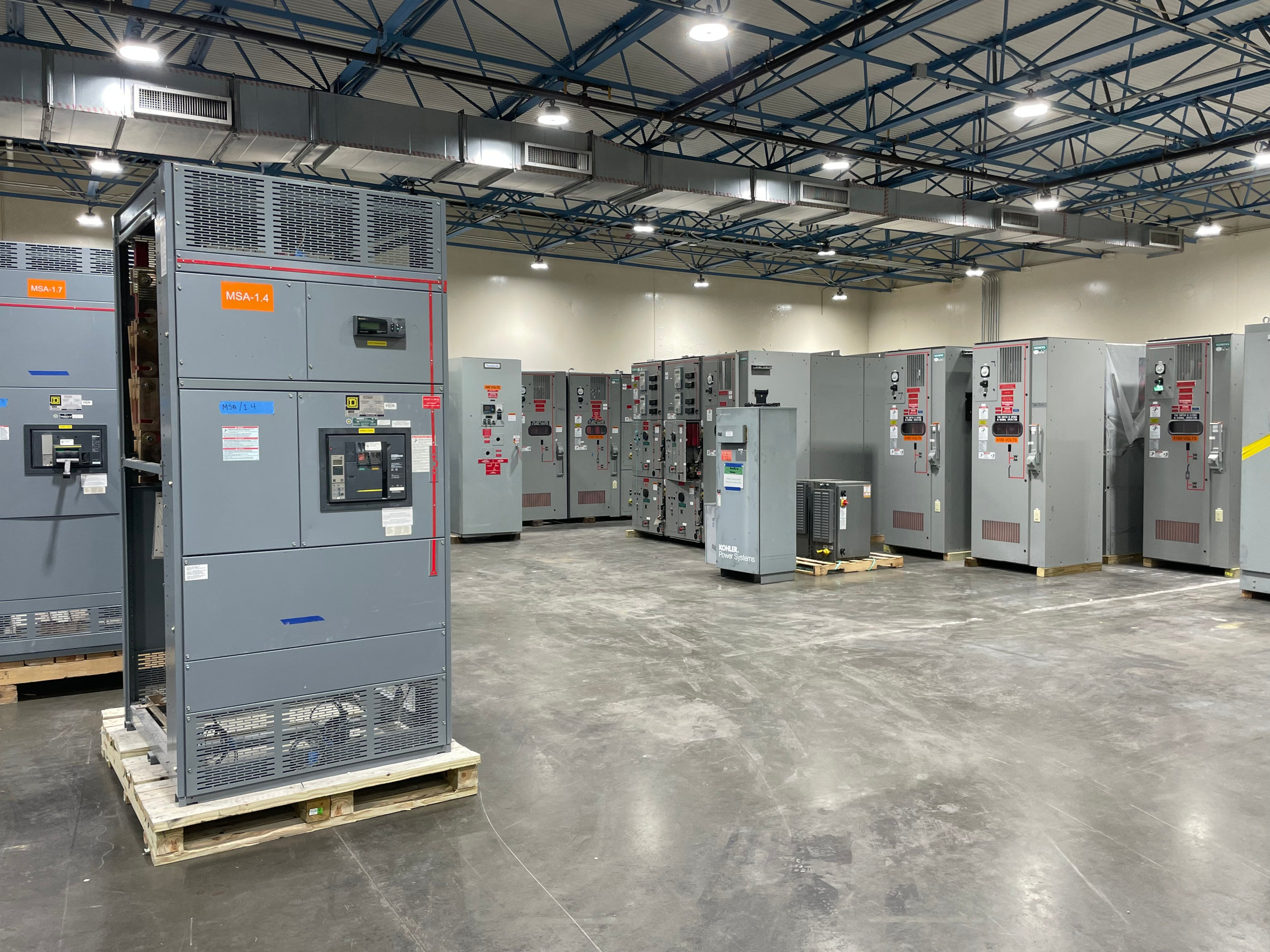
A broad used-equipment lot may combine indoor switchgear, outdoor assemblies, and other electrical distribution equipment from multiple areas or projects. An outdoor enclosure deserves a separate description when its exposure, configuration, visible condition, or access differs from the rest of the inventory. Grouping unlike items under one general description can obscure important differences and make the scope harder to understand. Conversely, if several outdoor enclosures share a known history and are being offered together, describe the shared facts and note any exceptions.
We buy equipment across voltage classes and may review switchgear from decommissioned facilities, but that broad purchasing scope does not determine whether a particular outdoor assembly will be accepted. The proposed lot, available information, condition observations, and removal requirements all matter. Keep outdoor equipment distinct in the inventory where that makes its contents clearer, and identify whether other equipment is included in the same proposed sale. The review concerns the actual equipment offered, not assumptions based on the source facility or a category label.
Access and removal coordination
Outdoor assemblies may have access or removal needs that differ from equipment in an indoor area. Share known site constraints and the expected scope of the assembly so removal can be coordinated without asking the owner to perform technical or physical work. Owners control site access. Do not disconnect, dismantle, move, or prepare the equipment for pickup; qualified parties handle technical evaluation, and access and handling are coordinated as part of an agreed sale.
We handle cranes, rigging, disconnects, loading, freight, and hauling. Those responsibilities are coordinated with the sale and the site’s access requirements rather than placed on the seller. The owner can communicate known restrictions and coordinate authorized access, while leaving physical handling to the parties responsible for it. Timing and logistics depend on the specific equipment, site conditions, and agreement. An offer and pickup proceed only after the equipment and terms have been reviewed and accepted by both parties.
Discuss the equipment and proposed sale
To begin a discussion, describe what outdoor switchgear enclosures are available, how they relate to any associated equipment, and whether the proposal covers individual assemblies or a wider lot. Include known weather or storage history, visible concerns, and any access information already available. Mark uncertain details as unknown instead of filling gaps with guesses. Existing records may help establish scope; optional photographs or labels should be shared only if already safely accessible, without opening or approaching equipment.
We review the proposed equipment and scope before making an offer, and acceptance remains subject to review and agreement. If a purchase is agreed, payment is upfront before pickup, and we coordinate cranes, rigging, disconnects, loading, freight, and hauling. Sellers do not need to test equipment or perform removal work. Comparing the agreed cash offer with the practical alternative of continued storage gives owners a direct basis for deciding whether a sale fits their plans.