Sell air circuit breakers in Pennsylvania
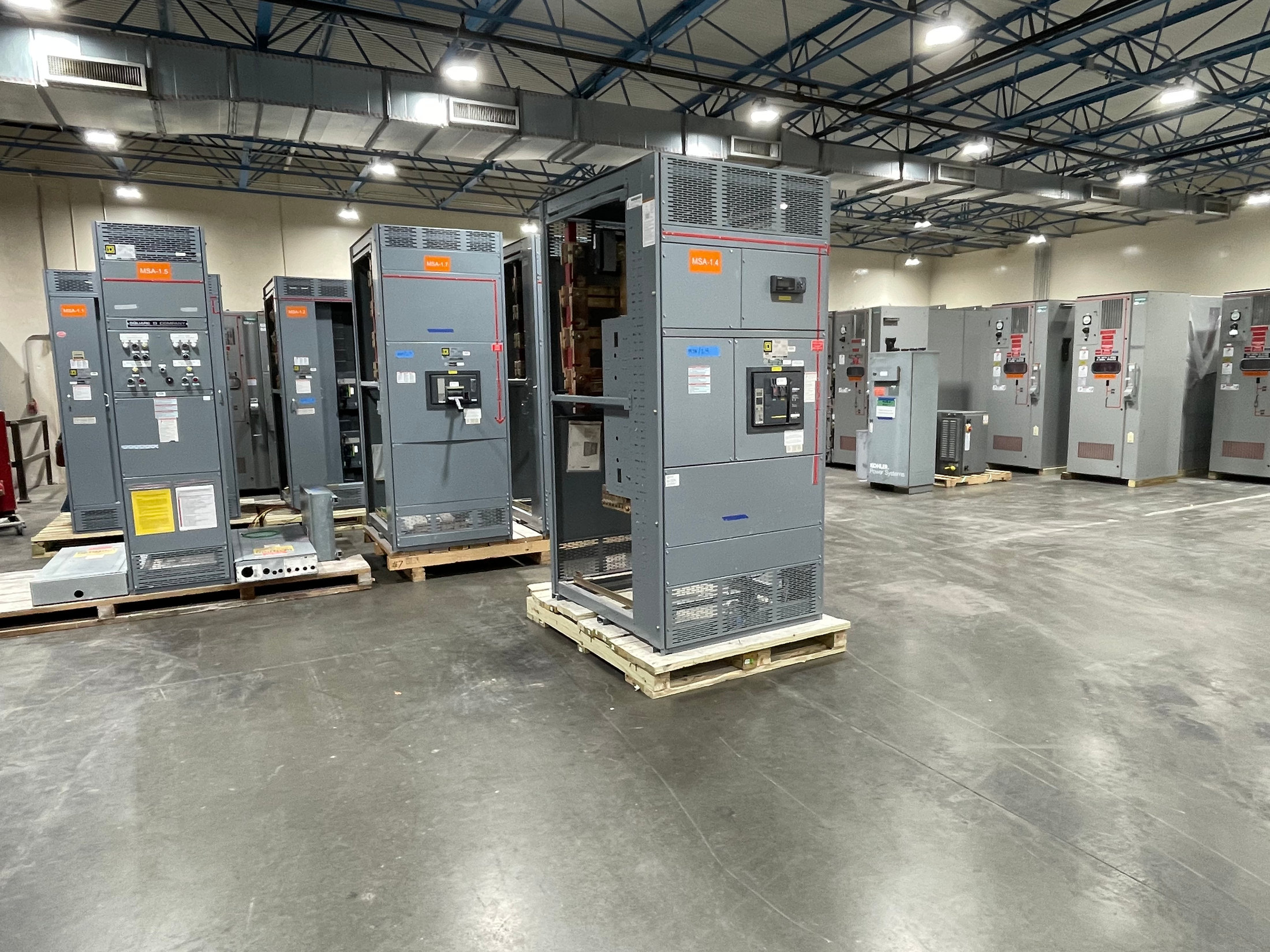
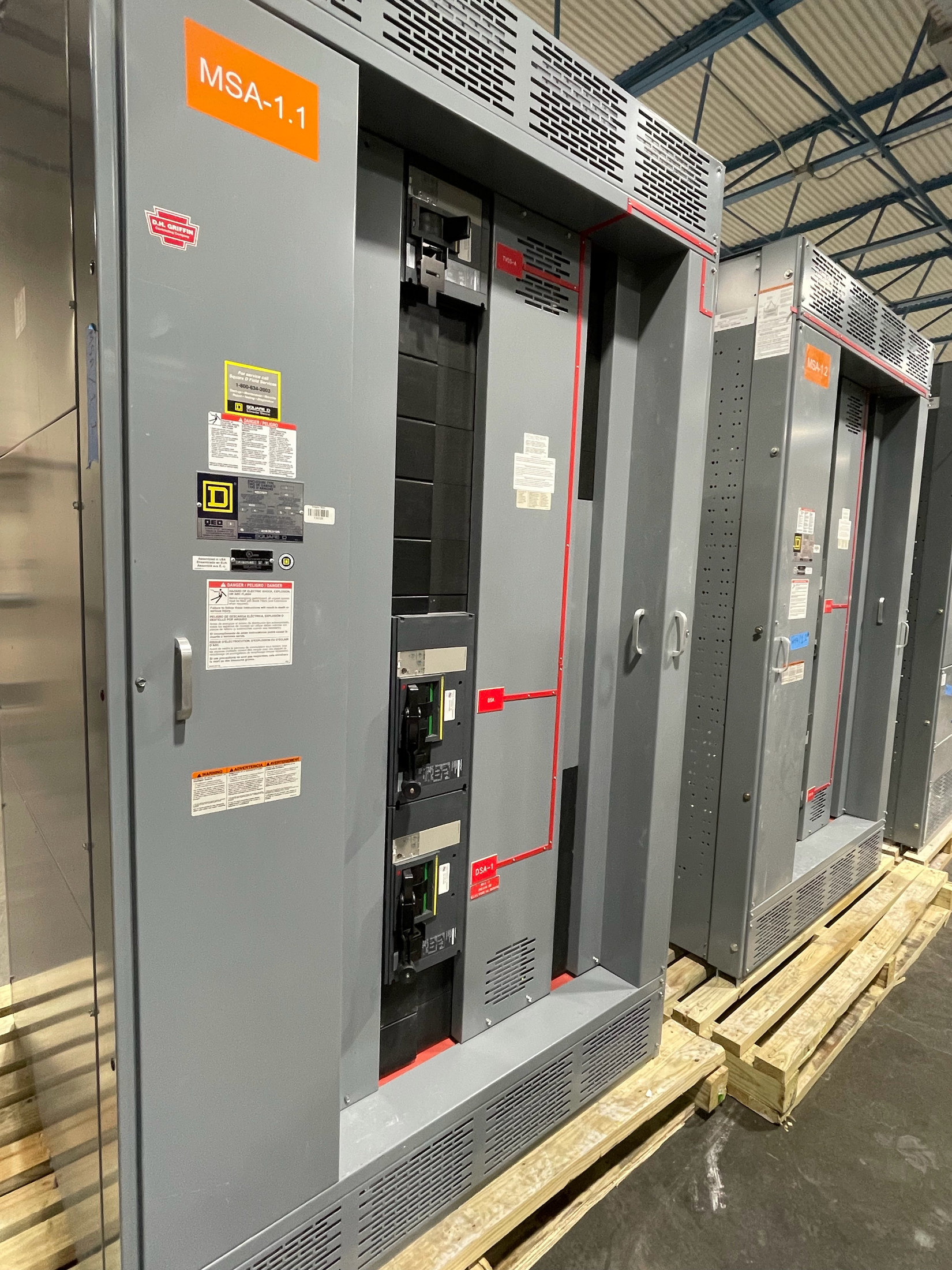
A Pennsylvania facility may have air circuit breakers left after a production change, a building closure, or the decommissioning of a power plant or data center. If you are considering a sale, begin by describing what is actually available: individual breakers, a group of loose breakers, or breakers that remain installed in a switchgear lineup. Those distinctions help us understand the scope without assuming that each breaker is a separate, complete item or that the entire assembly is included.
We are an independent buyer of used, surplus, and decommissioned electrical distribution equipment, and we buy rather than sell. We can review air circuit breakers for a cash offer, subject to the equipment and mutually agreed sale terms. No seller testing is required. If a purchase is agreed, payment is made upfront before pickup, and we handle cranes, rigging, disconnects, loading, freight, and hauling.
Clarify breakers versus the lineup
For a useful initial description, separate the breakers from the equipment around them. A breaker offered loose is different in scope from a breaker still mounted in a lineup, and a lineup may include additional equipment that the owner is not offering. State whether the proposed sale covers particular breakers only, a complete assembly, or a broader group of distribution equipment. If the boundary is uncertain, describe what you know and identify the uncertainty rather than treating the whole lineup as included.
This distinction matters to the purchase review because the offer concerns the equipment included in the agreed sale. A lineup’s presence does not establish that every breaker, enclosure, or other component belongs to the available inventory. Likewise, a loose component should not be represented as a complete breaker unless that is known. The owner retains control of equipment access; descriptions and any existing documentation can support a preliminary discussion without moving or opening equipment.
An illustrative inventory situation
Consider a facility preparing to clear an electrical room after operations end. Staff may know that several air circuit breakers are associated with a lineup but be unsure whether all of them are available, whether some are separate spare units, or whether the sale is meant to include the lineup itself. A clear account can distinguish confirmed items from questions still being resolved: for example, identify a known count only when it has been verified, and describe other items as unconfirmed rather than estimating.
This kind of distinction helps keep the conversation grounded in the owner’s actual scope. If existing records identify certain breakers but do not establish the status of the surrounding assembly, say so. If the equipment remains installed, there is no need for the seller to disconnect or handle it to begin an inquiry. Qualified parties handle technical evaluation and physical work; we coordinate the agreed pickup scope with the owner and manage the listed logistics if a purchase proceeds.
Share identification and existing records
Identification can help connect an inquiry to the right inventory. You may provide information already recorded for the breakers, such as available nameplate or equipment-list details, along with any existing inventory references. The value is in accurately reporting what the records say, not inferring missing details. If an identifier is unclear or a record covers the lineup rather than an individual breaker, note that distinction so the information is not attributed to the wrong item.
Existing records may also describe whether equipment is listed individually, grouped as a lineup, or associated with a decommissioning inventory. Share relevant documents or descriptions you already have, and distinguish documented facts from estimates or unanswered questions. Photos are optional and should be supplied only when already safely accessible. No one needs to open, energize, test, disconnect, dismantle, or physically handle equipment to provide preliminary information.
Separate known facts from unknowns
A concise, accurate description is more useful than an unsupported technical conclusion. You can state what is known about the equipment’s location within the facility, whether it is loose or installed, what the existing inventory calls it, and which items the owner intends to include. If the count, identity, completeness, or ownership boundary has not been confirmed, identify it as unknown. This makes the proposed sale scope easier to review and reduces the chance that a component is mistaken for an assembly.
Air circuit breakers are not interchangeable descriptions for every part of a distribution lineup. Avoid extending information from one identified breaker to other breakers or to the whole assembly unless the records support that connection. A buyer’s review is not a substitute for technical evaluation by qualified parties, and sellers are not asked to perform testing. Any purchase decision and offer depend on review of the particular equipment and the scope the parties agree to sell.
How this sale review differs from broad equipment inquiries
A broad used-equipment inquiry can cover many kinds of electrical distribution assets. An air circuit breaker inquiry benefits from a narrower account: which breakers are being offered, whether they are individual units or remain part of a lineup, and what existing records identify them. That subject-specific detail helps distinguish the breaker inventory from adjacent equipment without presuming that the owner is offering the entire installation.
We buy equipment across all voltage classes, including switchgear from decommissioned data centers and shut-down power plants. That broader purchasing scope does not make every item suitable for purchase or establish an offer for any particular breaker. Acceptance is subject to review, and any cash offer depends on the equipment, its identified scope, and agreement between buyer and seller. No sale is assumed until those terms are agreed.
Agree on scope and coordinate pickup
Once the equipment has been described and reviewed, the parties can clarify exactly what is included in a proposed sale. This may mean specified breakers, an identified group of loose components, or a larger assembly, depending on what the owner offers and what is accepted. The written or otherwise confirmed scope should distinguish included equipment from items that remain with the facility. If the scope changes, the purchase arrangement must reflect the revised equipment being offered.
For an agreed purchase, payment is made upfront before pickup. We coordinate and handle cranes, rigging, disconnects, loading, freight, and hauling; the seller does not need to arrange those services or perform the physical work. The owner controls access to the equipment, and pickup planning follows the agreed scope and access arrangements. An inquiry can start with existing information, while any technical evaluation and handling remain with qualified parties.