What vacuum circuit breakers do you have available?
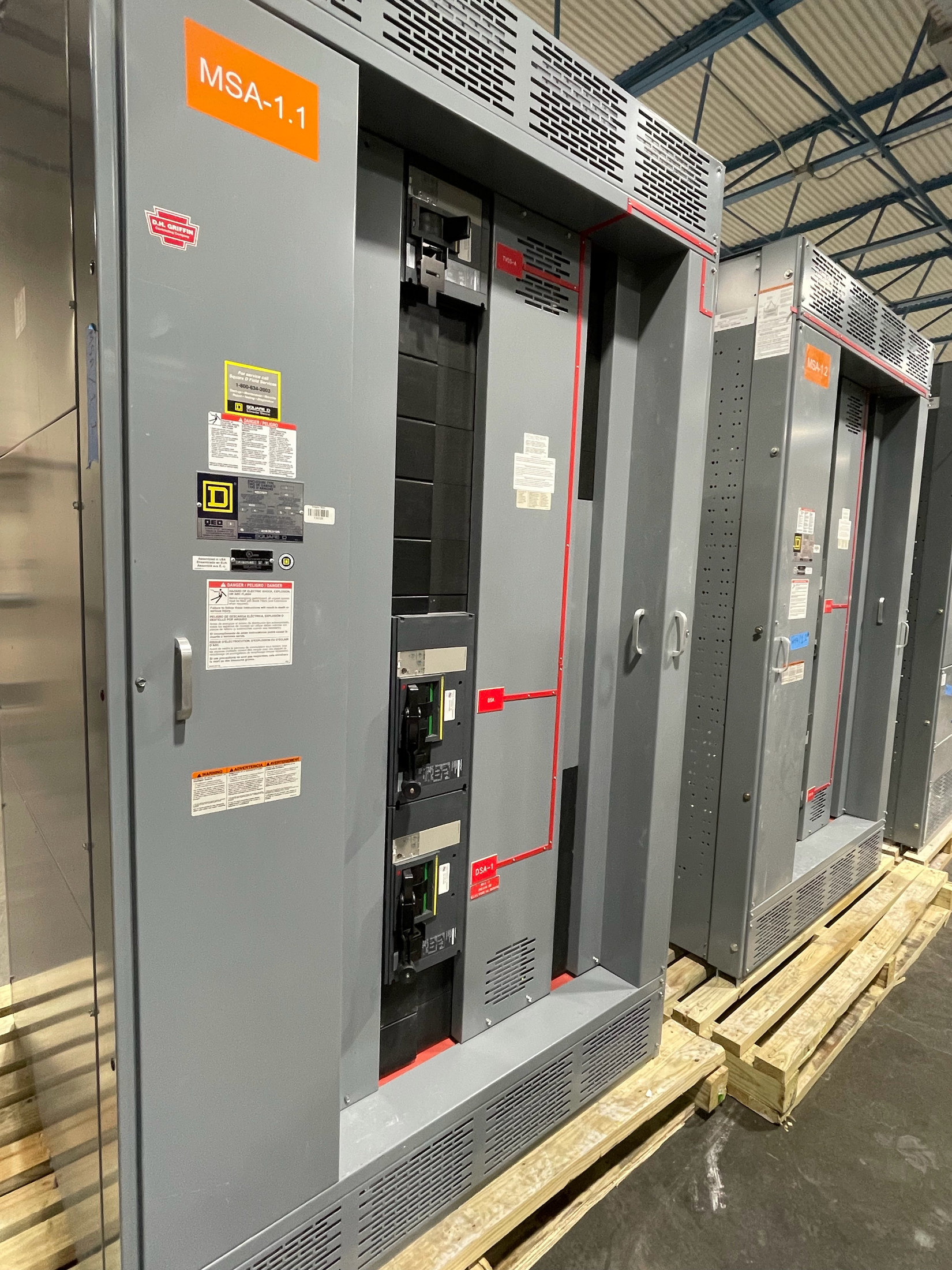
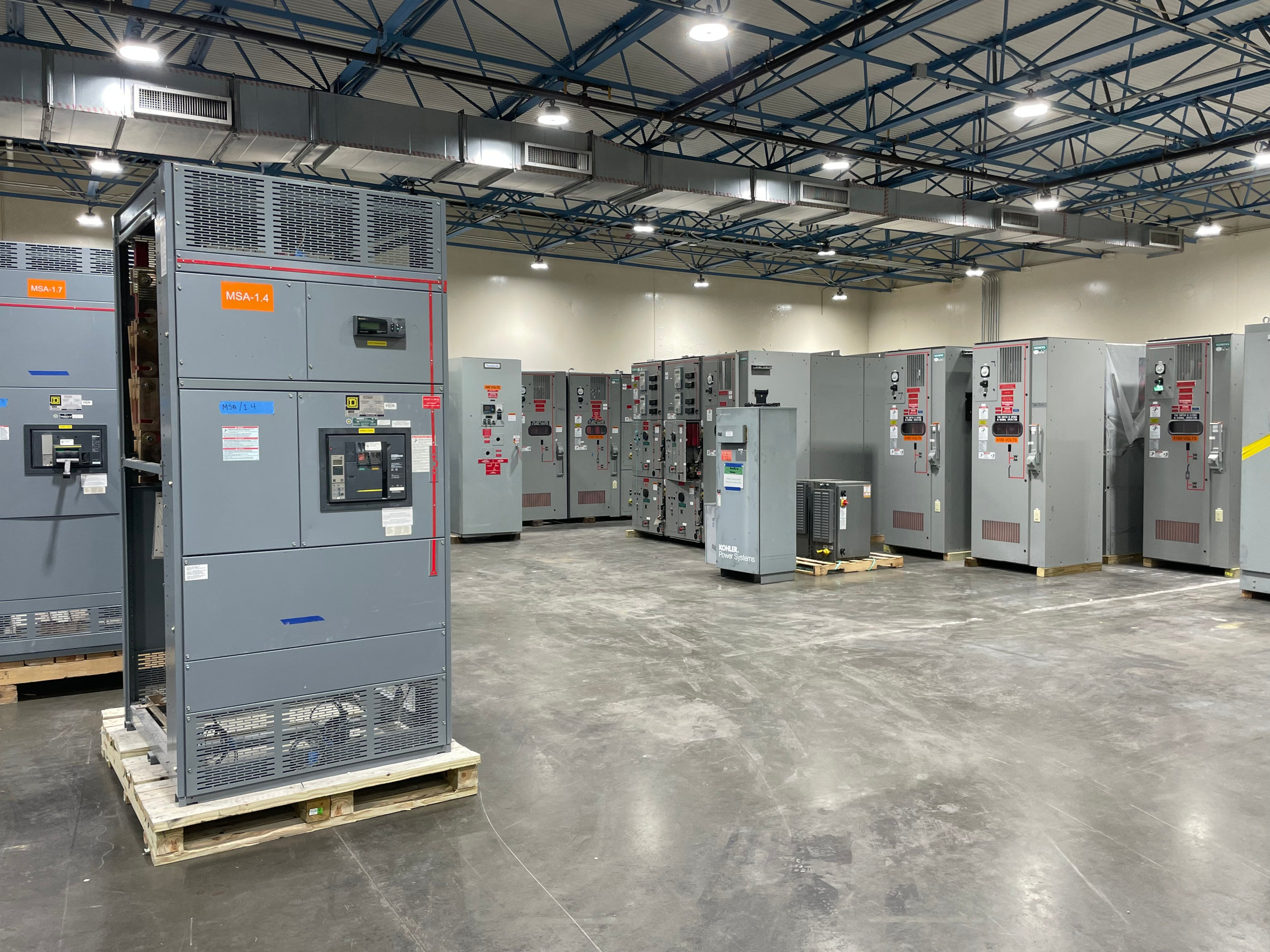
We buy used, surplus and decommissioned vacuum circuit breakers in Pennsylvania, subject to review of the equipment and sale terms. An inquiry can cover a breaker by itself or a breaker associated with an enclosure. Describe which items are included rather than treating a breaker and its enclosure as one inseparable piece of inventory. This distinction helps establish what is actually being offered and what would need to be included in a potential purchase.
Vacuum circuit breakers may come from decommissioned data centers, shut-down power plants and other surplus inventories. We consider equipment across all voltage classes, but that does not mean every item or lot will be accepted. The buyer’s review depends on what is available, its documented identity and condition, and the proposed scope of the sale. An offer is not assured simply because the equipment is a vacuum circuit breaker.
What is known about the breaker and its condition?
Share the manufacturer and any identification details already recorded for the breaker, along with the source of that information. Explain whether the condition is documented, reported by someone familiar with the inventory, or unknown. If records do not establish whether the vacuum interrupter is intact, state that plainly; do not treat an undocumented assumption as a confirmed condition. Separating known facts from unknowns gives the buyer a more accurate basis for review.
No seller testing is required for an inquiry or sale. Do not energize, open, dismantle, disconnect or physically handle equipment to answer questions or gather information. If identification labels or photographs are already safely accessible, they may help describe the item, but they are optional. Owners control access to their equipment, and any technical evaluation or handling belongs with qualified parties under the owner’s direction.
What does the inventory include beyond the breaker?
Describe whether the proposed lot includes an enclosure, or whether the breaker is being offered separately. Note other included items only when their presence is known and can be reported accurately. If the relationship between a breaker and enclosure has not been confirmed, identify that as unknown instead of assuming they belong together or are suitable as a set. Clear scope helps avoid confusion when reviewing a possible purchase and planning pickup.
The condition of an enclosure should not be substituted for information about the breaker, and a breaker’s reported condition should not be extended to other equipment in the lot. Use separate descriptions when records distinguish the items. If documentation is limited, say what is documented and what is not. Acceptance remains subject to review, including the equipment and the scope being offered; an inquiry does not establish that all associated equipment will be purchased.
How should you compare storage with an offer?
Compare the practical value of keeping the equipment in storage with the terms of a cash offer, if one is made. Storage may involve continuing space, inventory-management and coordination needs, while a sale can convert eligible surplus into cash. Those considerations are specific to the owner’s situation, so a purchase decision should use the actual proposed terms rather than an assumed market value or a generalized estimate.
A possible offer depends on the equipment and the agreed sale scope. We do not promise an offer for every breaker, enclosure or lot. If an offer is made and accepted, payment is upfront before pickup. That sequence lets the seller compare a concrete payment arrangement with continued storage before committing to a sale. Review which items are covered and ensure the agreement reflects the equipment the owner intends to sell.
Who coordinates pickup and equipment handling?
For an agreed purchase, we handle cranes, rigging, disconnects, loading, freight and hauling. Sellers do not need to arrange those activities as a condition of obtaining an offer. Coordination is based on the agreed equipment and pickup scope, with access controlled by the owner. Do not move or prepare a breaker yourself for the purpose of arranging a sale; physical work belongs with the parties responsible for qualified handling.
Pickup planning follows agreement on the purchase and its scope. Describe known access or scheduling constraints through the normal sale discussion, without undertaking technical work or changing the equipment’s condition. We coordinate the listed logistics, while the owner retains control of site access. No testing by the seller is required, and a sale discussion does not call for opening or dismantling the breaker or enclosure.
What should you share to start a review?
Provide a concise description of the available vacuum circuit breaker, whether an enclosure is included, the manufacturer if documented, and the condition as it is known. Distinguish recorded information from reports and unresolved questions, especially uncertainty about whether the vacuum is intact. Mention whether the inventory comes from a decommissioned data center, a shut-down power plant or another source when that history is known. These details help establish what is being offered without requiring technical work from the seller.
Include optional photographs or label information only when they are already safely accessible. Do not create access, test equipment or handle components to supply additional details. The buyer reviews the information and proposed scope before determining whether to make a cash offer. If the parties agree, payment is upfront before pickup, and we handle cranes, rigging, disconnects, loading, freight and hauling.