Start with the lineup inventory
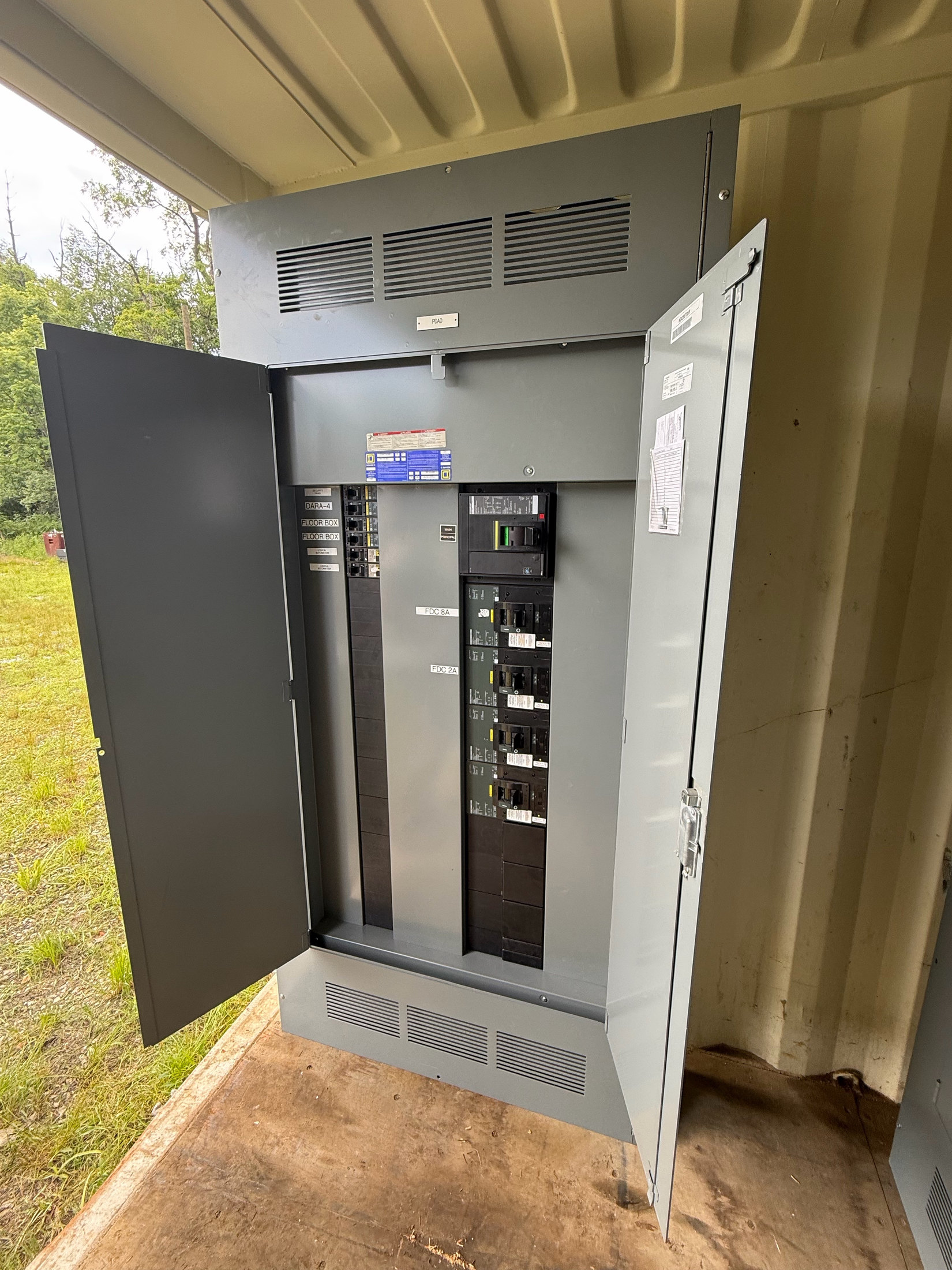
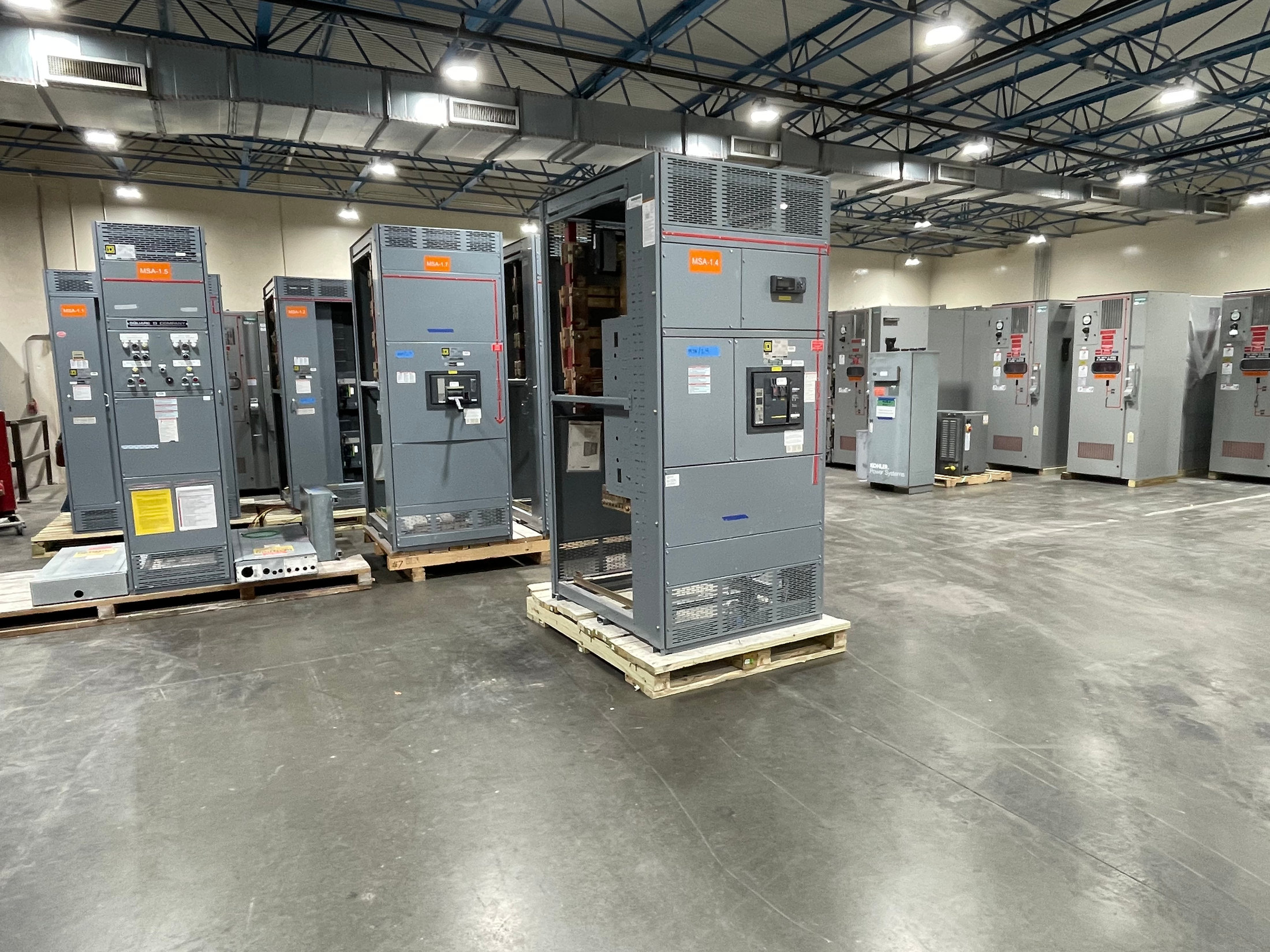
A useful indoor switchgear inventory starts by identifying the lineup proposed for sale, section by section, and distinguishing it from equipment that will remain. Record the room or area where each lineup is located, how many sections are included, and any identifying information already available from existing records or safely accessible labels. Describe what is known in plain terms; mark uncertain details as unknown rather than estimating. This gives us a clearer basis to review the equipment and determine whether it may fit our buying needs.
Keep the inventory focused on sale assets, not every item in the electrical room. Note adjacent or associated equipment only when its ownership or inclusion affects the proposed boundary. For example, records can state whether a neighboring lineup, separate control equipment, or room contents are retained, included, or still being resolved. No one needs to access, open, operate, test, or move equipment to prepare this initial information. Acceptance remains subject to review and depends on the equipment and the proposed sale.
Define what is included—and retained
Before discussing removal, establish a clear division between the lineup being offered and property the owner intends to keep. Describe the sale boundary using existing inventory records, room plans, or other information already available. If a section’s status is unclear, identify it as unresolved and keep it out of the assumed sale scope until the owner confirms otherwise. This prevents a discussion about one lineup from being mistaken for an offer covering nearby assets or an entire room.
The owner controls what is released for sale and what remains on site. We can review the proposed scope with the owner’s designated contact, but the owner must confirm the assets authorized for sale and identify retained property. Any equipment or materials outside that agreed scope should remain excluded from the transaction. Clear ownership and scope information helps both parties coordinate without assuming that proximity means an item is included.
Describe room location and access context
For each lineup, provide the room name, building area, or other site reference used by the owner, along with the number of sections associated with that location. Mention relevant access constraints already known to the site team, such as limited room access or a route that requires coordination. The purpose is to understand the setting for a possible pickup, not to ask the seller to inspect or alter the equipment. Existing photos or labels may be shared only when they are already safely accessible and the owner chooses to provide them.
Keep known facts separate from assumptions. If the route out of the room has not been assessed, say so; do not infer that a doorway, corridor, lift, or exterior exit can accommodate removal. The owner controls site access and decides who may enter. Any physical assessment or work requiring access must be handled by qualified parties under the owner’s site requirements. Early, accurate context helps identify questions for coordination before a sale scope is finalized.
Clarify the removal path and site release
The available removal path is a key part of planning an indoor lineup sale. Share what the site already knows about how the equipment could leave its current location, including whether a path has been identified, whether restrictions are known, and which points still need review. If the route is unknown, state that plainly. Avoid treating a possible route as approved or assuming that equipment can be moved through spaces whose suitability has not been established.
Site release also depends on the owner’s responsibilities and readiness. Identify who can authorize access, confirm the sale boundary, coordinate building requirements, and release the equipment for pickup. Where site approvals or scheduling decisions remain outstanding, note them as open items rather than promising a release date. We coordinate pickup after agreement on the equipment and arrangements, with the owner retaining control over access and release.
Set out responsibilities for pickup
We handle cranes, rigging, disconnects, loading, freight, and hauling as part of coordinating an agreed pickup. The seller does not need to arrange those handling and transport activities for us. Site-specific access, authorization, and release still require coordination with the owner, and any work at the site must be performed by qualified parties. Discuss known site requirements early so the pickup plan can account for the approved scope and available removal path.
The seller should not test, energize, open, disconnect, dismantle, or physically handle the lineup for this inquiry. We do not require seller testing. Share existing records or information already safely available, and leave technical evaluation and any necessary site work to qualified parties. This keeps the inventory conversation focused on what is being offered, what is known about its location, and what coordination remains—not on asking the seller to perform technical or removal work.
Review information and unknowns
A practical review can begin with the section count, room location, proposed sale boundary, and known removal-path information. Add existing identification details or records when available, and distinguish confirmed information from items awaiting owner or qualified-party review. If sections are grouped under a single inventory entry, explain that relationship without assuming the group is one sale asset. Where ownership, inclusion, location, or access is unclear, make the uncertainty visible so it can be addressed before agreement.
This inventory-first approach is narrower than a general used-equipment inquiry: it helps establish which indoor lineup sections are being offered and how their room location and removal context affect coordination. It does not establish acceptance by itself. We review the information and the equipment proposed for sale; acceptance depends on that review and on the agreed scope. An incomplete or uncertain detail can be discussed as an open question rather than filled in with a guess.
Discuss an offer and pickup terms
For equipment we are prepared to buy, we make cash offers. Any offer is subject to review and depends on the lineup and sale scope; an inventory does not guarantee that every section or item will be accepted. Once the equipment and terms are agreed, payment is made upfront before pickup. The proposed assets, retained property, and responsibilities should be clear before the transaction proceeds, so payment and pickup relate to the agreed sale rather than an assumed room-wide release.
After agreement, we coordinate cranes, rigging, disconnects, loading, freight, and hauling, while the owner controls access and authorizes site release. The number of sections, their location, the known or unresolved removal path, and site responsibilities all inform that coordination. Share only information the owner can provide without handling or testing the equipment. This supports a direct review of the proposed indoor switchgear lineup sale and a pickup plan based on confirmed scope, known conditions, and decisions made by the responsible parties.