Sell pad-mounted switchgear in Pennsylvania
If you own pad-mounted switchgear in Pennsylvania and are considering a sale, begin by reconciling the equipment against your organization’s records. The first question is not whether the unit appears marketable; it is whether your organization has the authority to sell it. Equipment at a facility may belong to the facility owner, a utility, a project owner, a lessor, or another party. A location on your property does not by itself establish ownership or sale authority.
We buy used, surplus, and decommissioned electrical distribution equipment, including pad-mounted switchgear. We make cash offers for equipment subject to review, and acceptance depends on the equipment and the parties’ agreement. This page focuses on establishing a clear inventory and release path for a possible transaction. It is not a request for sellers to inspect, test, energize, open, disconnect, dismantle, or move equipment.
Reconcile the inventory before discussing release
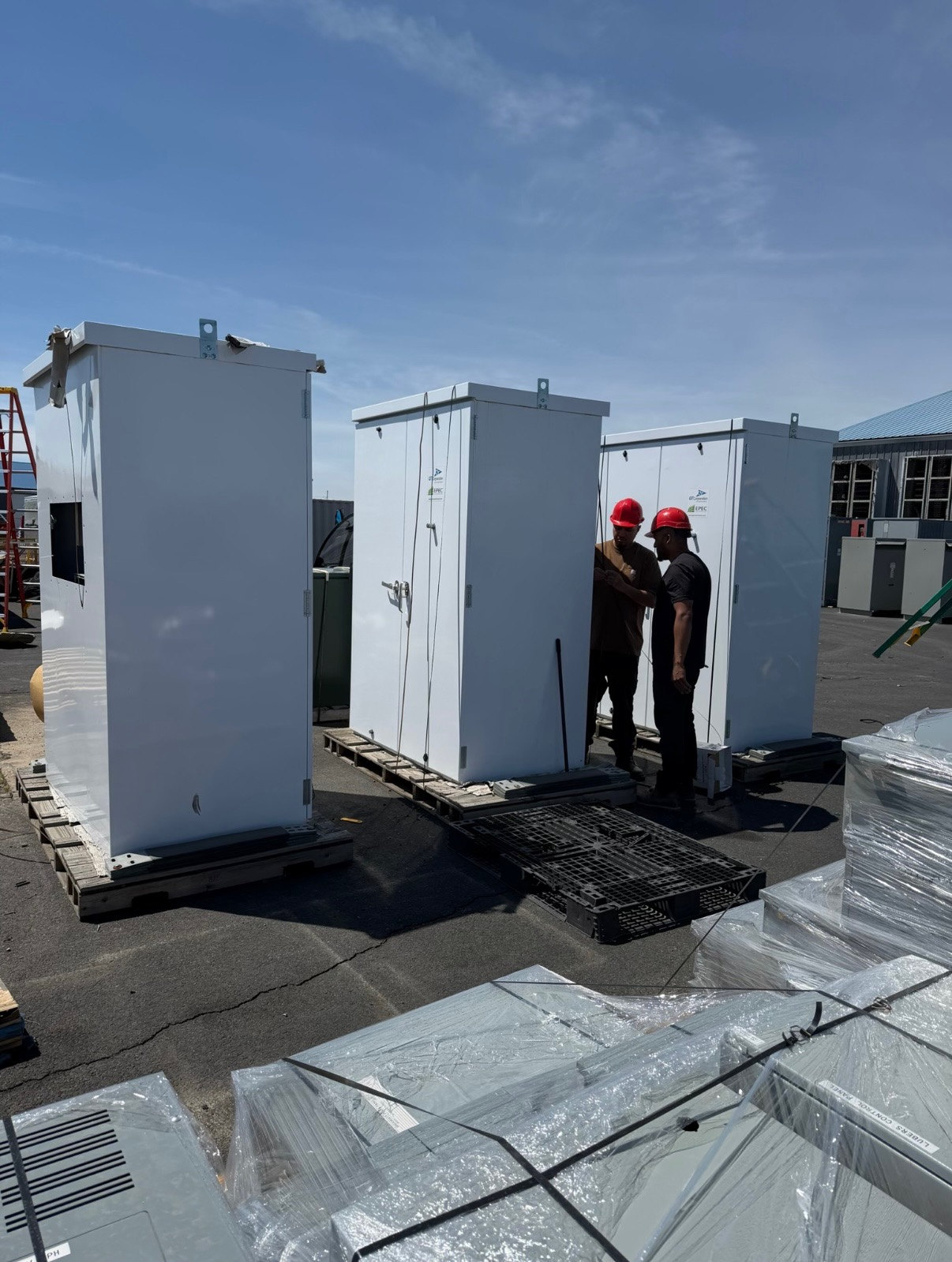
Consider a facility preparing to clear an area after a project or shutdown. Its asset register lists two pad-mounted units, while a site drawing shows three enclosures and an older work order refers to equipment supplied for a utility connection. Rather than treating those records as a confirmed sale lot, the owner can compare the entries, note the discrepancy, and identify which organization holds title or has authority to direct disposition. The purpose is to make the proposed inventory understandable, not to determine technical condition.
A useful reconciliation distinguishes what is documented from what remains uncertain. Records may identify an asset number, general description, location, project association, or ownership entry; other details may be missing or inconsistent. Keep unresolved items visible instead of assigning an unverified identity or ownership status. If a unit may belong to a utility or another organization, obtain the appropriate release authorization before representing it as available for sale.
Describe the enclosure using known information
For each proposed unit, record the description already available in organizational records: the number of enclosures, any existing asset or tag references, the general location, and any known association with a facility, project, or utility. Separate observations from record-based statements. For example, a visible identifier may be transcribed as recorded, while its relationship to a particular asset should be marked unconfirmed if records do not establish that link. No one needs to open an enclosure or approach equipment to create a sale inventory.
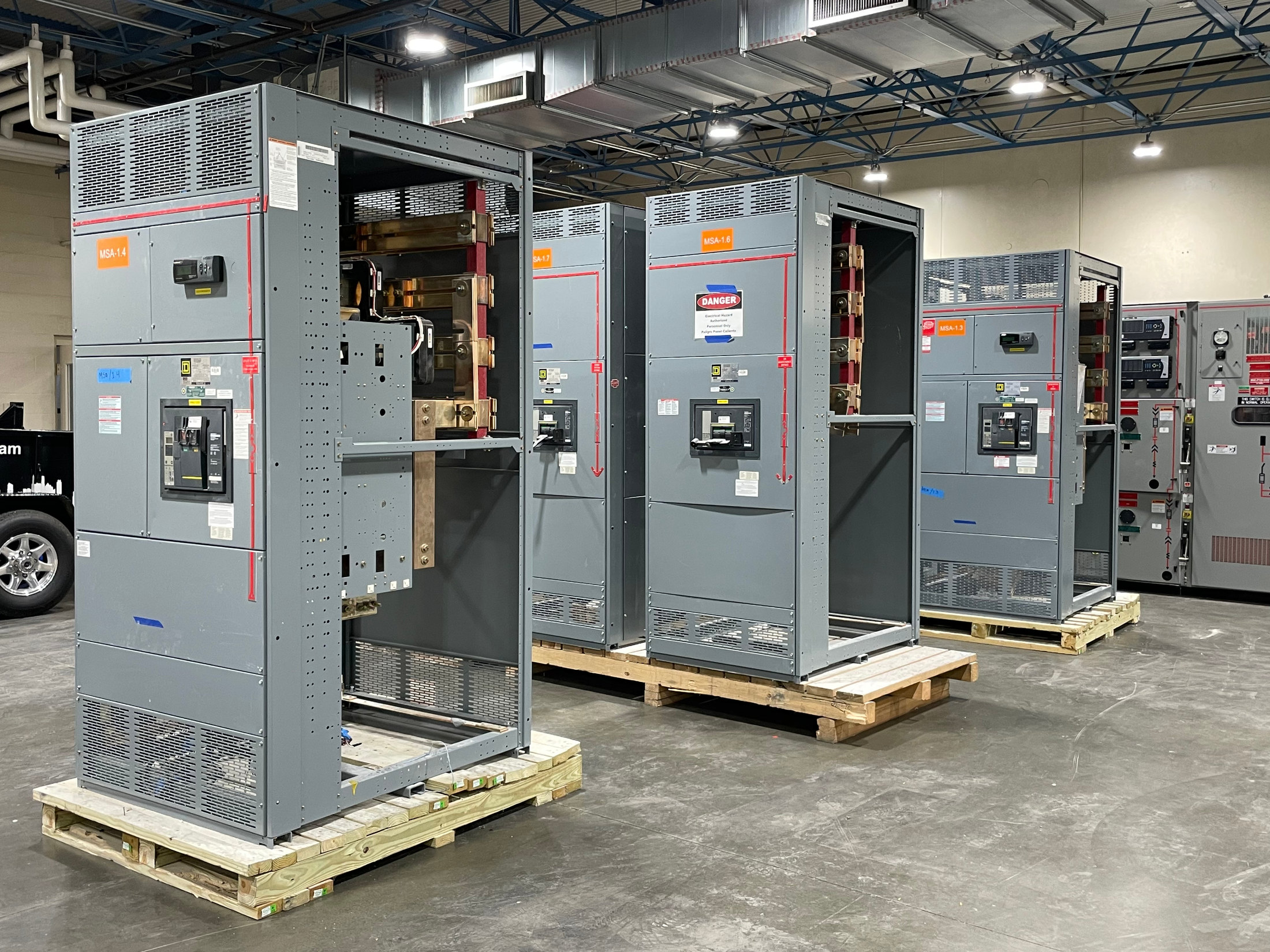
Pad-mounted equipment can have different configurations and histories, so a general label alone may not resolve what is being offered. Share only information your organization already has and can provide accurately. If a description, ownership entry, or relationship between an enclosure and an asset is unknown, say so. Photos and labels are optional, and should be shared only when already safely accessible under the owner’s control; they are not a reason to enter a restricted area or handle equipment.
Separate facility ownership from utility interests
Where facility and utility records overlap, reconcile them before setting a release scope. A facility may own some equipment while a utility owns, controls, or retains rights to other equipment in the same area. Project records, purchase documentation, asset registers, and written direction from the responsible organization may help establish who can authorize a sale. If those sources conflict, treat the conflict as unresolved until the relevant parties clarify it.
The sale inventory should identify only equipment the seller is authorized to offer. Do not combine confirmed facility-owned assets with units whose ownership or disposition rights are uncertain. A clear distinction helps prevent a proposed collection from exceeding the seller’s authority and allows the buyer to review the actual scope. We can consider an inventory for purchase, but any offer and accepted scope depend on review and agreement; inclusion on a list does not itself establish acceptance.
Document release authorization and collection scope
Before arranging collection, identify who can approve release and who can coordinate access on the owner’s behalf. Authorization may need to address the specific equipment, the permitted release, and any site access requirements imposed by the owner or other responsible party. The seller controls access to its property and determines who is permitted to be present. Where utility or third-party approval is required, that party’s authorization must be resolved through the responsible organization rather than assumed from the equipment’s location.
Collection planning also depends on what is included in the agreed sale and what the owner permits at the site. We handle cranes, rigging, disconnects, loading, freight, and hauling as part of buyer coordination for an agreed transaction. The owner remains in control of site access and authorization, while collection arrangements are coordinated with the appropriate parties. Sellers should not undertake technical preparation or physical handling for our review; questions about equipment condition or site-specific work belong with qualified parties.
Distinguish known details from unknown condition
An inventory can support a buyer review without claiming a technical evaluation. State what records establish, such as a general equipment description or asset reference, and identify missing information plainly. Do not turn an unverified assumption into a condition statement, compatibility claim, or representation about operating status. Whether equipment is used, surplus, or decommissioned may describe its history or intended disposition, but it does not by itself determine whether it will be accepted for purchase.
We do not require seller testing. Do not test, energize, open, disconnect, dismantle, or physically handle equipment to prepare an offer. If technical details or condition questions require assessment, they should be handled by qualified parties under the owner’s control. Optional photos or labels are useful only when already safely accessible. The buyer’s review is based on the information available and the proposed scope, and acceptance remains subject to review and agreement.
Coordinate an agreed sale and pickup
Once ownership, inventory, and release authority are sufficiently clear, share the proposed scope for review. The buyer may make a cash offer for equipment it is prepared to purchase; an offer is not assured for every unit or every inventory. If the parties agree to a sale, payment is made upfront before pickup. Pickup is then coordinated for the agreed equipment, subject to the owner’s access requirements and release authorization.
A reconciled inventory helps keep the transaction focused on the right units and the right parties. It also gives the seller a practical way to separate confirmed information from gaps without taking on technical inspection or handling. We buy pad-mounted switchgear across electrical distribution equipment categories, but each proposed sale depends on the equipment and mutual agreement. For a Pennsylvania sale, establish what can be released, document what is known, flag what remains unresolved, and coordinate collection only after the sale scope and authorization are clear.