Decide whether the sale is for an assembly or loose components
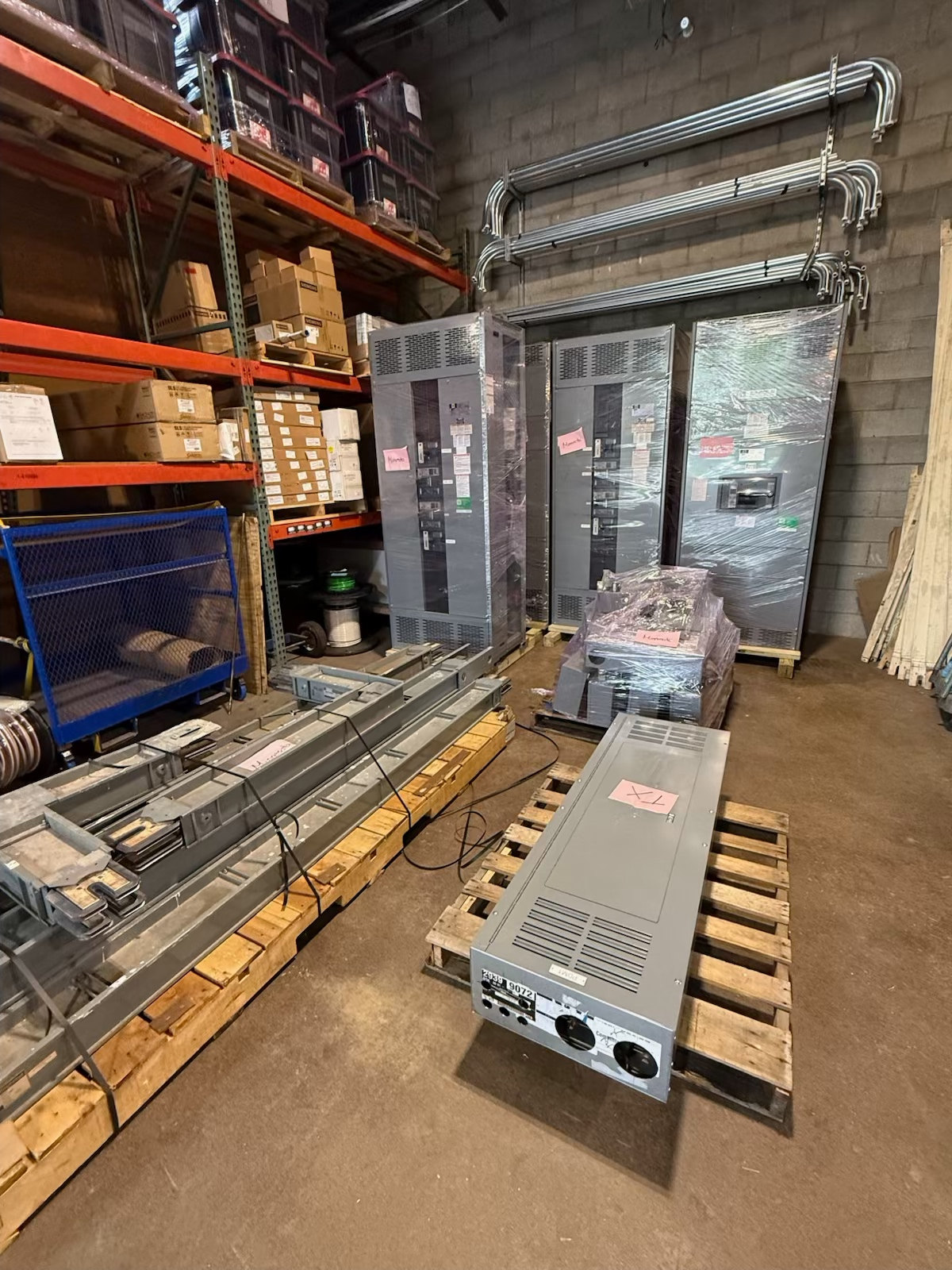
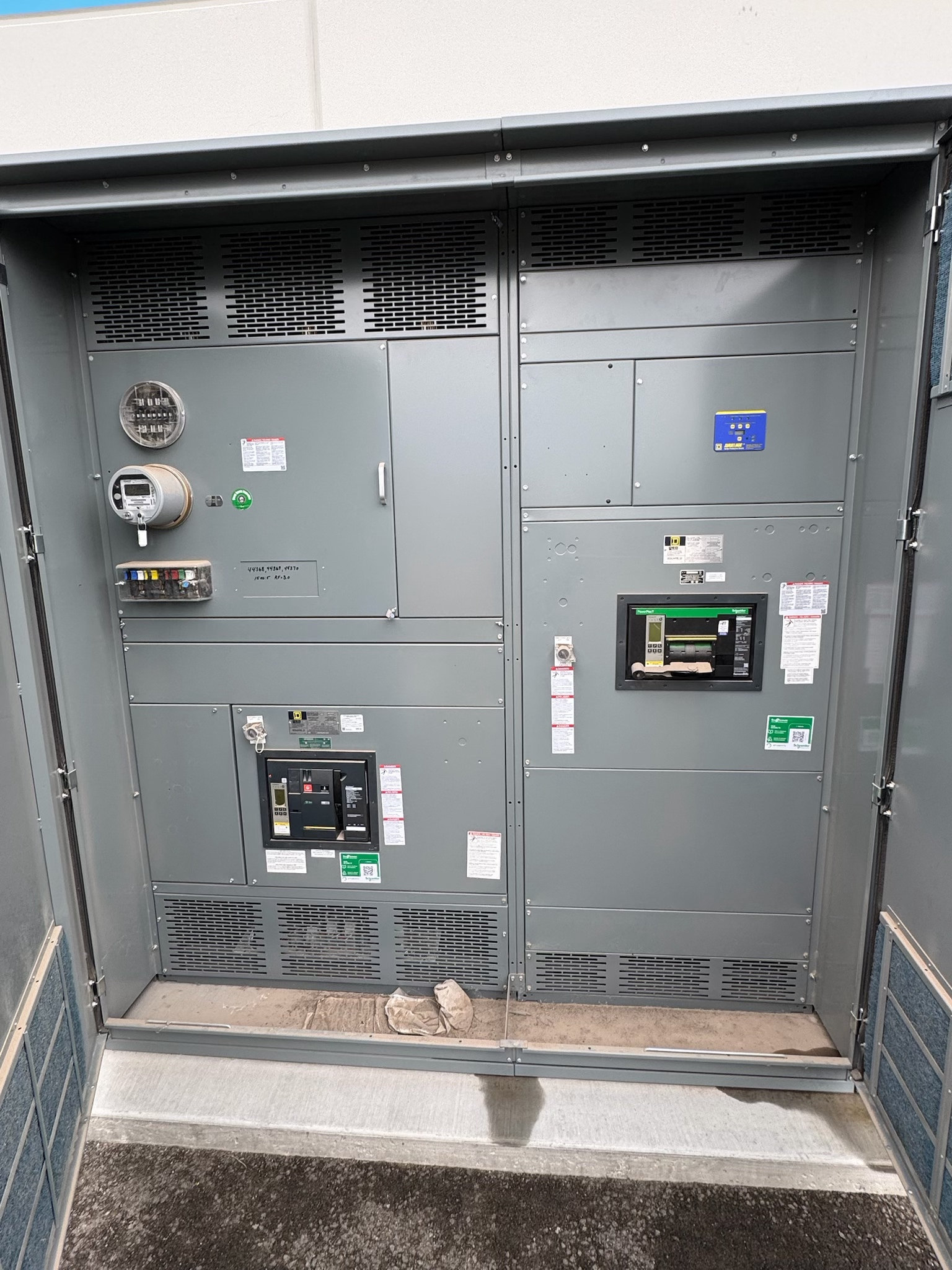
Start by defining what you intend to sell. A fluid-insulated switchgear assembly is different from separate components removed from, or stored apart from, an assembly. Describe the offered scope in those terms: the complete assembly, a group of identifiable assemblies, or loose components. This distinction helps establish what is being reviewed and prevents a discussion of an intact unit from being mistaken for an offer on every item in a room or inventory.
We buy used, surplus, and decommissioned electrical distribution equipment, including fluid-insulated switchgear from decommissioned data centers and shut-down power plants across all voltage classes. We buy equipment; we do not sell it or perform seller-side testing. Any purchase is subject to review and agreement based on the equipment and offered scope. A description of the equipment is a starting point, not an assurance that every assembly or loose part will be accepted.
Separate known fluid information from unknowns
If the fluid type is documented, share what the record identifies and where that information comes from, such as an existing equipment record or label that is already safely accessible. If it is not known, say so plainly. Do not infer a fluid type from appearance, age, service history, or a nearby record that cannot be tied to the offered equipment. A clear distinction between documented information, recollection, and uncertainty is more useful than an unsupported identification.
Keep fluid details attached to the relevant assembly when possible, rather than presenting one description as applying to an entire inventory. When records cover only some units, identify that boundary. The buyer can review the information provided alongside the proposed sale scope; qualified parties are responsible for technical assessment. Owners control access to their equipment. Photos and labels are optional and should be shared only when already safely accessible.
Describe containment concerns without attempting assessment
Tell us what is known about containment concerns, including any existing records or reported condition associated with the equipment. Distinguish observed information from assumptions, and identify which assembly or loose item a concern relates to. If the condition has not been assessed, state that directly. This allows the review to account for the information available without treating an incomplete description as a technical finding.
Assessment of fluid, containment, and equipment condition belongs to qualified parties. Do not open, disconnect, dismantle, energize, test, or physically handle equipment to prepare a sale description. We do not require seller testing. Our purchasing review is not a substitute for a licensed assessment, and a concern disclosed for review does not itself establish acceptance. The purchase decision remains dependent on the equipment, the scope offered, and agreement between the parties.
Build a useful inventory from existing information
An inventory can identify assemblies separately from loose components and note what is known for each group. Existing descriptions, counts, records, and safely accessible identification information can help define the proposed scope. Where a detail is absent or uncertain, mark it as unknown rather than filling the gap with an estimate. This is especially helpful when fluid documentation applies to only part of a group or containment information is incomplete.
You can share the available information without arranging new access or inspecting equipment for this inquiry. Owners retain control of access, and any technical review or assessment should be handled by qualified parties. Photographs and labels are optional, not a prerequisite; provide them only if already safely accessible. A concise, accurate account of what is included, what is separate, and what remains unknown gives us a sound basis to review a potential purchase.
Review the offered scope and acceptance
We consider the equipment presented for sale and the scope you identify, rather than assuming every item associated with a facility or inventory belongs in one transaction. An intact assembly and a set of loose components may warrant separate descriptions and review. Fluid type, containment concerns, and the availability or limits of documentation are relevant information, but none guarantees an offer or acceptance. Acceptance is subject to review, and a sale proceeds only when both parties agree to the equipment and terms.
We may make a cash offer for equipment we are prepared to buy after review. An offer is not promised for every assembly, component, or lot. If there is a fit, the proposed purchase can be discussed against the defined scope and available information. The equipment’s actual condition and sale details matter; a general category or a facility’s operating history alone does not establish value or commitment.
Coordinate payment and pickup
For an agreed purchase, payment is made upfront before pickup. Pickup coordination follows agreement on the equipment being bought and the applicable arrangements. We handle cranes, rigging, disconnects, loading, freight, and hauling for the purchase. This lets the seller discuss the sale without undertaking those logistics as a condition of preparing the equipment.
Do not disconnect, dismantle, move, or load the equipment to arrange an inquiry or obtain a review. Owners control access, and the necessary handling is coordinated as part of an agreed pickup. Any technical assessment required for the seller’s purposes remains the responsibility of qualified parties. The purchase scope, payment, and pickup arrangements must be agreed before collection; logistics do not imply that unreviewed equipment is accepted.
Move from information to a purchase decision
To begin, describe whether the opportunity concerns assemblies, loose components, or both; identify the Pennsylvania location at a general level; and summarize what existing records say about fluid type and containment. Clearly mark anything not documented or not known. This approach keeps the discussion grounded in available information and helps distinguish a defined sale from a broader inventory that has not been included in the proposed scope.
We review the details to determine whether we can make a cash offer for the equipment described. Any purchase depends on review and mutual agreement, with payment upfront before pickup. We buy used, surplus, and decommissioned switchgear across voltage classes, including equipment from decommissioned data centers and shut-down power plants. When a purchase is agreed, we coordinate cranes, rigging, disconnects, loading, freight, and hauling; technical evaluations and handling are left to qualified parties.