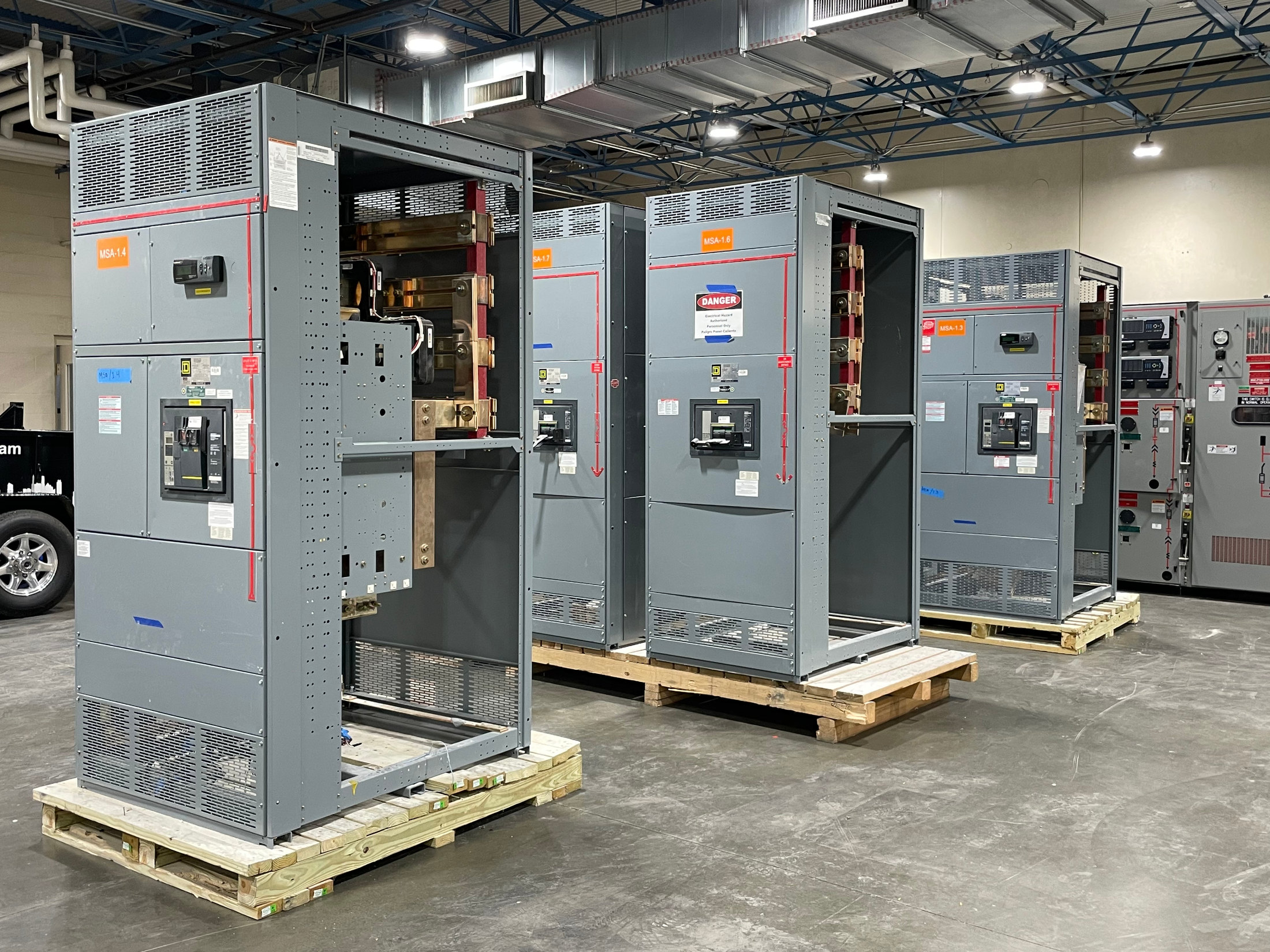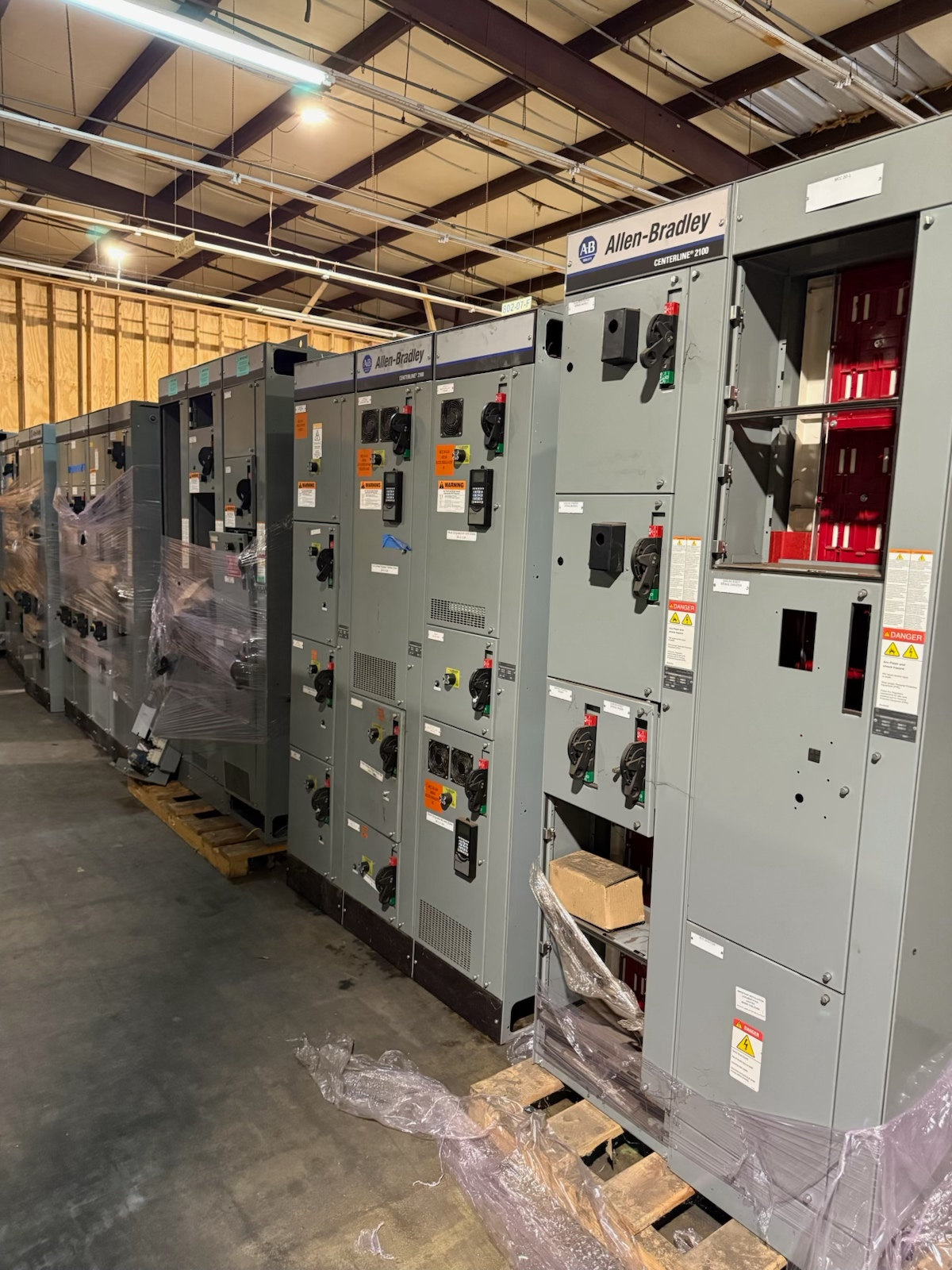
What is included in the lineup you want to sell?
Start with the assembly as it stands in the ownership records and site inventory. Describe the lineup, the sections believed to belong to it, and any known arrangement of those sections. A complete lineup and a partial assembly are different sale scopes; neither should be described as complete unless the available records support that description. If section identities or boundaries are uncertain, mark them as unknown rather than assigning equipment to the sale by assumption.
Separate the proposed sale assets from property that will remain at the site. Identify retained sections, adjacent equipment, accessories, spare parts, and other assets that are not included. This distinction helps prevent a buyer’s review from treating an entire room or connected group of equipment as one offering. Ownership records, inventories, drawings, and photographs already safely accessible can help clarify the intended scope, but owners control access and need not create new records or expose equipment to obtain them.
Which sections and components can you identify?
For each section you believe is included, share its known identifying information and the source of that information. Existing inventory descriptions, nameplate details, asset records, and drawings may help distinguish sections within an assembly. A label should be reported as recorded, not interpreted beyond what it states. If a section cannot be confidently matched to a record, say so; uncertainty is useful information for review and is preferable to a guessed lineup description.
Describe the broad role of components only when that role is known from existing documentation or labels. Section contents can vary across an assembly, and appearances alone may not establish identity, condition, or suitability. Do not open equipment, remove covers, operate devices, or undertake technical checks to answer an inventory question. Any technical evaluation belongs to qualified parties. Acceptance is subject to review of the equipment and the information available; an initial description is not a commitment to buy every section or component.
What is known about the breakers?
A breaker inventory can help define a medium-voltage lineup offer. Share counts and descriptions only where existing records or safely accessible labels support them, and distinguish identified breakers from items whose identity or inclusion is unclear. Note whether the records describe breakers as installed, separately stored, retained, or possibly missing. If that status is not known, leave it unresolved rather than treating a listed breaker as physically present or included in the sale.
Record known breaker information in the same terms used by the source document or label. Do not infer ratings, compatibility, operating condition, or interchangeability from a brand name, a partial description, or an apparent match. No seller testing is required for an offer discussion, and you should not energize, operate, disconnect, remove, or otherwise examine equipment to supply information. Technical questions that require inspection or verification are for qualified parties; the buyer’s decision remains subject to review of the actual sale scope and available details.
Can you release ownership of every item offered?
Before presenting a lineup for sale, establish which entity owns each proposed sale asset and who has authority to approve its release. A site inventory may combine equipment belonging to different owners, tenants, contractors, lenders, or project stakeholders. Where ownership is shared, subject to a hold, or not yet confirmed, identify that status before treating the affected equipment as available. Do not include retained property or assets that an authorized owner has not cleared for release.
A clear release scope should distinguish the equipment being sold from items that must remain, even when they are adjacent or appear to form part of the same lineup. If records use broad descriptions, explain any known limits on those descriptions and identify unresolved boundaries. This supports a sale based on authorized assets rather than assumptions about what can be removed. We review proposed equipment and scope before proceeding; ownership authority and agreement on what is included remain essential to a completed purchase.
What information is available—and what remains unknown?
A useful inventory separates confirmed facts from gaps. Confirmed facts may include a documented lineup identity, section descriptions, breaker counts, ownership status, or the intended sale boundary. Unknowns may include exact section assignment, whether a listed component is present, or whether records correspond to the equipment now at the site. State the source and limits of the information where practical. This lets the buyer assess the opportunity without presenting an incomplete record as a verified technical description.
Existing documents and photographs are optional and useful only when already safely accessible. Owners control site access, and no new photographs, labels, measurements, or inspections are required for an initial conversation. Avoid trying to resolve gaps by opening equipment, handling components, disconnecting anything, or performing tests. Unknown information may affect whether the lineup or particular sections can be accepted and the terms of an offer. Review is specific to the equipment, its scope, and the information available—not a promise that every lineup will receive an offer.
How will buyer coordination and pickup work?
Once the proposed sale assets and release authority are clear, coordinate the equipment scope and site arrangements with the buyer. For accepted equipment, we handle cranes, rigging, disconnects, loading, freight, and hauling. The seller does not need to arrange those handling and transportation activities. Owners retain control of access, and coordination should identify which property is included and which must remain before pickup planning proceeds.
Payment is upfront before pickup. We make cash offers for equipment we are interested in buying, with acceptance and terms dependent on review of the lineup, sections, breaker inventory, ownership release, and other relevant details. There is no requirement for seller testing. A proposed sale is not complete merely because information has been shared or logistics discussed; buyer and seller must agree on the equipment and purchase terms before pickup.
How is a medium-voltage lineup considered for purchase?
Medium-voltage switchgear lineups are reviewed as identifiable sale assets, not simply as a room, a general equipment category, or an assumed complete assembly. The lineup’s documented identity, included and excluded sections, breaker inventory, ownership release, and known information all help define what is being offered. There is no universal voltage threshold that, by itself, determines whether a particular lineup or section can be purchased. Equipment from decommissioned data centers and shut-down power plants is within the kinds of sources we consider, across all voltage classes.
A broad description can begin the discussion, but acceptance depends on the specific equipment and a clear agreement about the sale scope. If a lineup includes sections with different ownership status or uncertain identities, those distinctions should remain visible during review rather than being combined into an unsupported claim of completeness. We buy used, surplus, and decommissioned electrical distribution equipment; this page’s focus is the assembly-level identity and coordination needed to consider a medium-voltage lineup. We do not sell equipment or provide technical installation guidance.