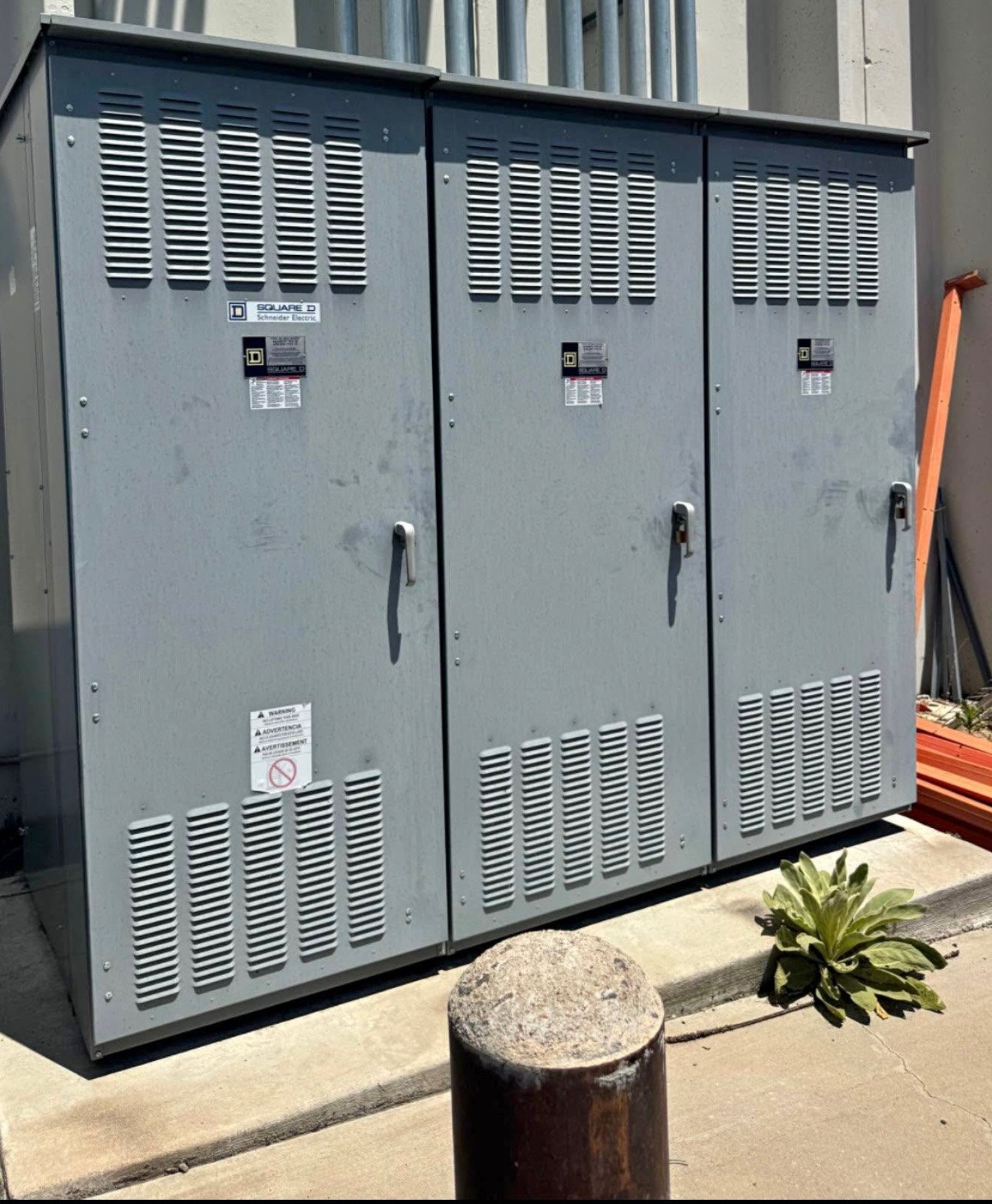
Reconcile the motor-control inventory
Selling medium-voltage motor control centers in Pennsylvania starts with a clear account of what is actually available. Reconcile the inventory by identifying each lineup, section, and starter included in the proposed sale, then distinguish equipment believed to be present from items confirmed by records or safe visual access. Note whether the listed equipment is a complete assembly, a partial lineup, or a collection of sections and related components. This helps us review the opportunity without assuming that equipment sharing a room, building, or project is part of the sale.
Keep counts and descriptions aligned with the equipment’s present arrangement as far as existing information allows. Record known gaps, additions, or changes between the installed lineup and older inventory documents. If the records do not establish whether a section remains in place or belongs to the sale, mark that point as unknown rather than resolving it by assumption. Acceptance is subject to review, and any offer depends on the equipment and the scope presented.
Identify starters, sections, and scope
Describe starters and sections using the names or identifiers already available in inventory records, drawings, or labels that are safely accessible. Separate starter-related entries from lineup sections and from other electrical equipment in the same area. Where descriptions are incomplete, preserve the uncertainty: a broad designation may not establish the contents, condition, or completeness of an assembly. We can review the information provided, but technical evaluation belongs to qualified parties.
Clarify whether the proposed sale includes all identified sections and starters or only selected portions. Mention associated items only when their inclusion is known, and do not imply that an item is included merely because it appears alongside the motor-control center in a drawing or site list. A reconciled scope gives both sides a more useful basis for discussing the equipment, collection planning, and whether the opportunity fits our purchasing review.
Separate known details from unknowns
Existing drawings can help organize an inventory, but they may not reflect later changes or establish what is present now. Treat drawing dates, revision information, and equipment identifiers as context, not proof of current configuration. If a drawing shows sections that cannot be confirmed against the available records, identify them as unverified. Likewise, do not infer the contents of a starter or section from a general lineup description when the supporting information is unavailable.
A concise record can distinguish documented facts, observations already made safely, and open questions without turning the sale inquiry into a technical assessment. Relevant unknowns may include whether the listed lineup is complete, whether records correspond to the equipment offered, or whether the sale scope includes every shown section. We do not require seller testing. Any detailed technical assessment is for qualified parties, and no equipment needs to be energized, opened, dismantled, or physically handled to prepare an initial inventory inquiry.
Provide information already available
Share the inventory description and any existing records that help identify the equipment and sale scope. Photos or label details are optional, and should be provided only when already safely accessible; no one should enter a restricted area or approach equipment to create new documentation. Useful information is information you already have permission to share, such as an inventory entry or an existing drawing reference. If a document is outdated or its relationship to the installed equipment is uncertain, say so plainly.
Avoid presenting incomplete records as confirmed specifications or treating a product name as evidence of condition or compatibility. Our review is based on the equipment and information presented, and we may need to clarify what is included before deciding whether to make an offer. You control site access. We do not ask sellers to test equipment or perform technical investigation as a condition of submitting an inquiry.
Coordinate the sale and collection
If we agree to buy the equipment, we coordinate collection around the accepted sale scope and site access arrangements. We handle cranes, rigging, disconnects, loading, freight, and hauling. The seller does not need to arrange those collection services for the transaction. Planning depends on what equipment is included and the conditions for access, so an accurate inventory and clear scope support practical coordination without asking the seller to carry out handling work.
Owners control access to the equipment and site. Collection arrangements are coordinated with the owner or authorized contact, with qualified parties responsible for technical evaluation and the work involved in disconnecting and collecting equipment. Do not disconnect, dismantle, move, or otherwise handle the motor-control center to prepare it for sale. Any collection plan follows agreement on the purchase and the equipment covered by that agreement.
Cash offers and payment before pickup
We are buyers, not sellers or brokers offering replacement equipment. For equipment we decide to purchase, we make a cash offer based on review of the proposed inventory and sale scope. An inquiry does not guarantee an offer, and an offer is not assumed for every section, starter, or assembly. The equipment and information provided determine whether a purchase opportunity is suitable for review and what terms can be agreed.
Payment is made upfront before pickup. The purchase and payment arrangements must be agreed before collection is coordinated; pickup does not come first with payment left for later. No seller testing is required. If the inventory leaves material questions about which sections are included or whether the records describe the equipment offered, clarify those points as far as existing information allows so the purchase discussion can address the actual scope.
Review a Pennsylvania equipment sale
For a Pennsylvania sale, begin with a reconciled account of the medium-voltage motor-control center equipment, its starters and sections, the records available, and the limits of those records. State which details are confirmed, which rely on existing documentation, and which remain unknown. That distinction is especially useful when drawings are old, incomplete, or inconsistent with the inventory. It supports an equipment-specific review without substituting assumptions for qualified technical evaluation.
Send the information you already have for consideration. We review the proposed equipment and scope and may make a cash offer when the opportunity fits; acceptance remains subject to review and agreement. If a purchase proceeds, payment is upfront before pickup, and we handle the collection services described above. No testing is required from the seller, and site access remains under the owner’s control.