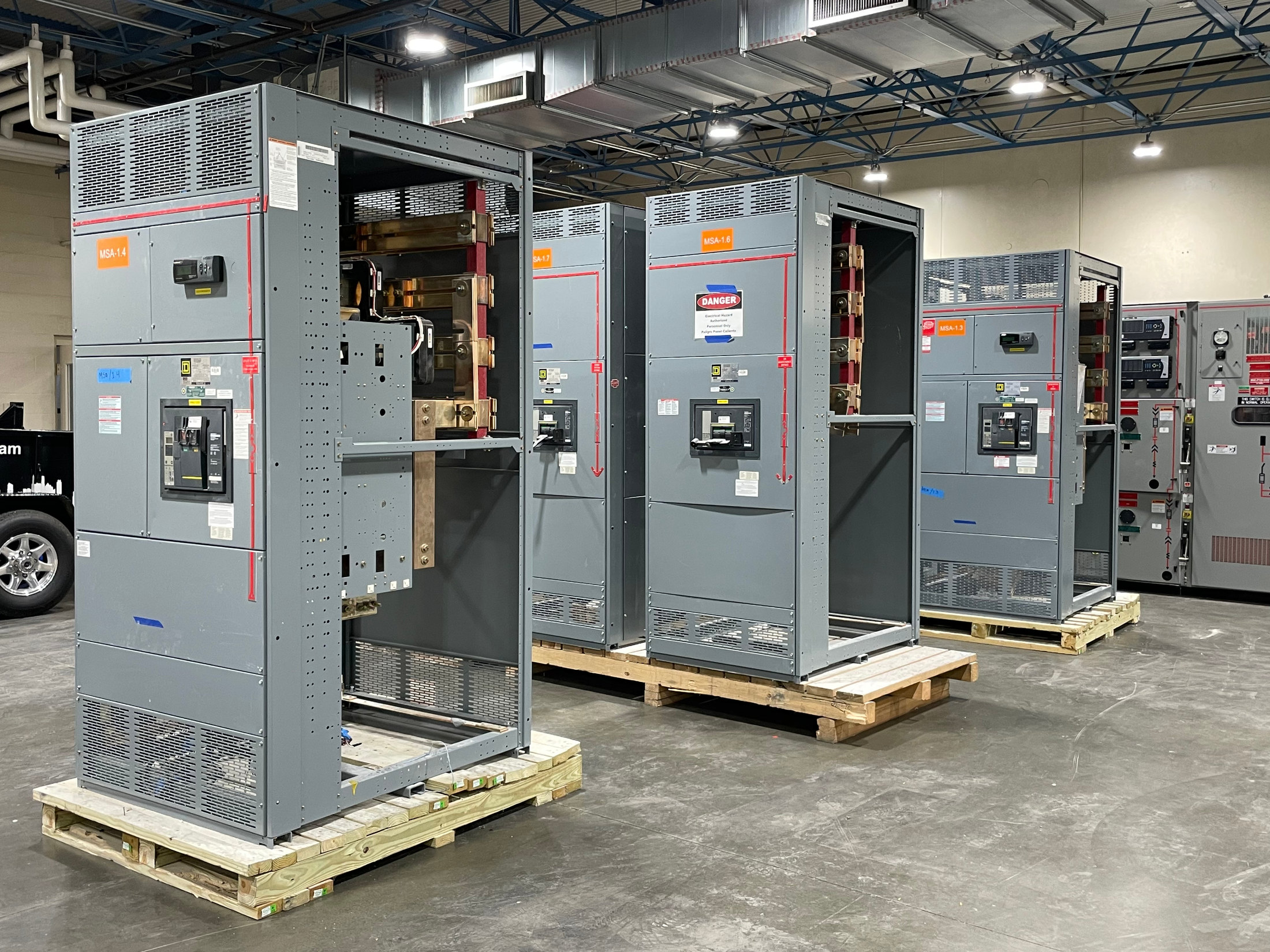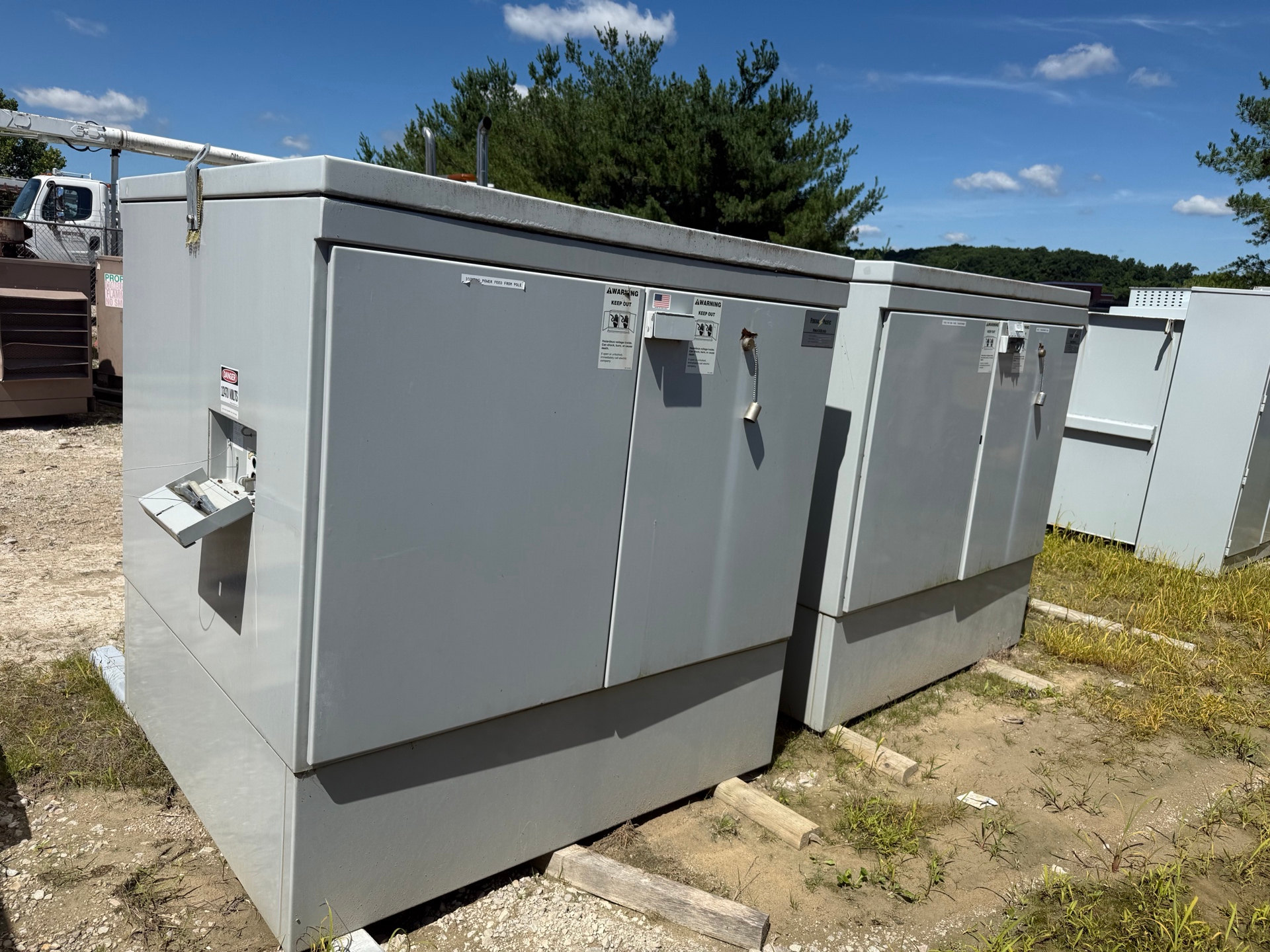
Reconcile the Inventory Before Discussing a Sale
When selling switchgear, a useful inventory distinguishes the voltage class shown on equipment identification from the system voltage recorded for the installation. Those are related pieces of information, not interchangeable labels. A switchgear nameplate may identify a voltage class, while a facility record, drawing, or asset list may describe the voltage of the system where the equipment was used. Recording both with their sources helps a buyer understand what the inventory actually says without assuming the values match or establish suitability.
Consider a facility preparing an equipment inventory after a shutdown. Its asset spreadsheet lists a system voltage, while the switchgear identification carries a separate voltage-class marking. Instead of replacing one entry with the other, the seller keeps both and notes which came from the facility record and which came from the equipment label. This simple reconciliation can prevent an inventory from presenting an installation description as though it were the equipment’s own rating.
Keep Equipment Identification Separate from Site Records
Equipment identification belongs to the individual unit or assembly; system-voltage information describes the electrical system as recorded for a site or application. During a sale discussion, each item should retain its own identification, while any associated system information should remain clearly attributed to the relevant facility record. If a record covers several pieces of equipment, do not imply that every item has the same marking unless the inventory actually establishes that relationship.
A practical inventory can therefore contain separate fields for the equipment’s identifying information and the recorded system voltage, along with a source note for each. If the source is unclear, preserve that uncertainty rather than filling the gap with an inferred value. This gives a buyer a more dependable basis for reviewing the equipment and avoids turning a site description into an unsupported statement about every unit in the group.
Preserve the Original Wording and Context
Transcribing identification accurately matters more than making entries appear uniform. Keep the wording and units as they appear in the available record or label, and distinguish a direct transcription from a summary. If a label is already safely accessible, an optional photograph may help document what the inventory entry came from. Photos are not required, and owners should control access to the equipment; there is no need to create new access or handle equipment to prepare a sale description.
Context is useful when multiple records use different terms or refer to different points in a facility’s history. A drawing, asset register, and equipment label may not describe the same thing, so record each source rather than merging them into a single asserted rating. If the inventory cannot establish which record applies to a particular item, identify the association as unresolved. Clear source notes let a buyer evaluate the information as presented instead of relying on an assumed equivalence.
Describe Mixed Inventories Without Flattening Differences
A decommissioned data center or shut-down power plant may leave an inventory containing equipment from multiple systems, operating periods, or facility areas. Even when several items appear together in a storage or asset list, their recorded system voltages and equipment voltage classes should not be treated as common by default. Keep item-level descriptions where available and group equipment only when the records support the grouping. This is especially helpful when a list was assembled from several departments or documents.
For example, a shutdown inventory may combine a switchgear assembly identified from its own label with a system-voltage entry copied from a facility schedule. The seller can retain the two entries side by side, identify their respective sources, and note the association represented by the records. That approach is more informative than changing the equipment description to match the schedule. It also gives a buyer room to assess the actual equipment and the quality of the supporting inventory without an implied conclusion about equivalence or application.
Share What Is Known; Mark What Is Unresolved
A concise sale inquiry can identify the equipment, state the voltage-class wording available from its identification, and separately report any system voltage documented for the installation. Include the source or record context where known. If a marking is incomplete, a record is ambiguous, or the inventory does not link a system entry to a particular assembly, say so plainly. An accurate gap is more useful than an estimate presented as fact, and it lets the buyer decide what additional information is relevant to considering the equipment.
Buyers may consider used, surplus, or decommissioned switchgear across voltage classes, including equipment from data centers and shut-down power plants. Whether a particular item is of interest depends on the equipment and the sale details; a voltage-class entry alone does not establish a purchase decision. Existing rating information can be reviewed through the related equipment-rating resources, while this inventory distinction remains focused on keeping equipment identification separate from system records.
Coordinate the Sale Around the Actual Equipment
Once the inventory is organized, provide the available descriptions and records for buyer review. No seller testing is required. Do not test, energize, open, adjust, disconnect, dismantle, or physically handle equipment to answer an inquiry or prepare an inventory. Any photos or labels shared should be limited to material already safely accessible, with access remaining under the owner’s control. A buyer can discuss the item based on the information available and determine whether to make an offer.
We are an independent Pennsylvania buyer of used, surplus, and decommissioned electrical distribution equipment. We make cash offers for equipment we choose to pursue, with payment upfront before pickup. We handle cranes, rigging, disconnects, loading, freight, and hauling. Offers depend on the equipment and require agreement on the sale. Keeping voltage class, recorded system voltage, and their sources distinct helps begin that discussion with a clearer, more accurate inventory.