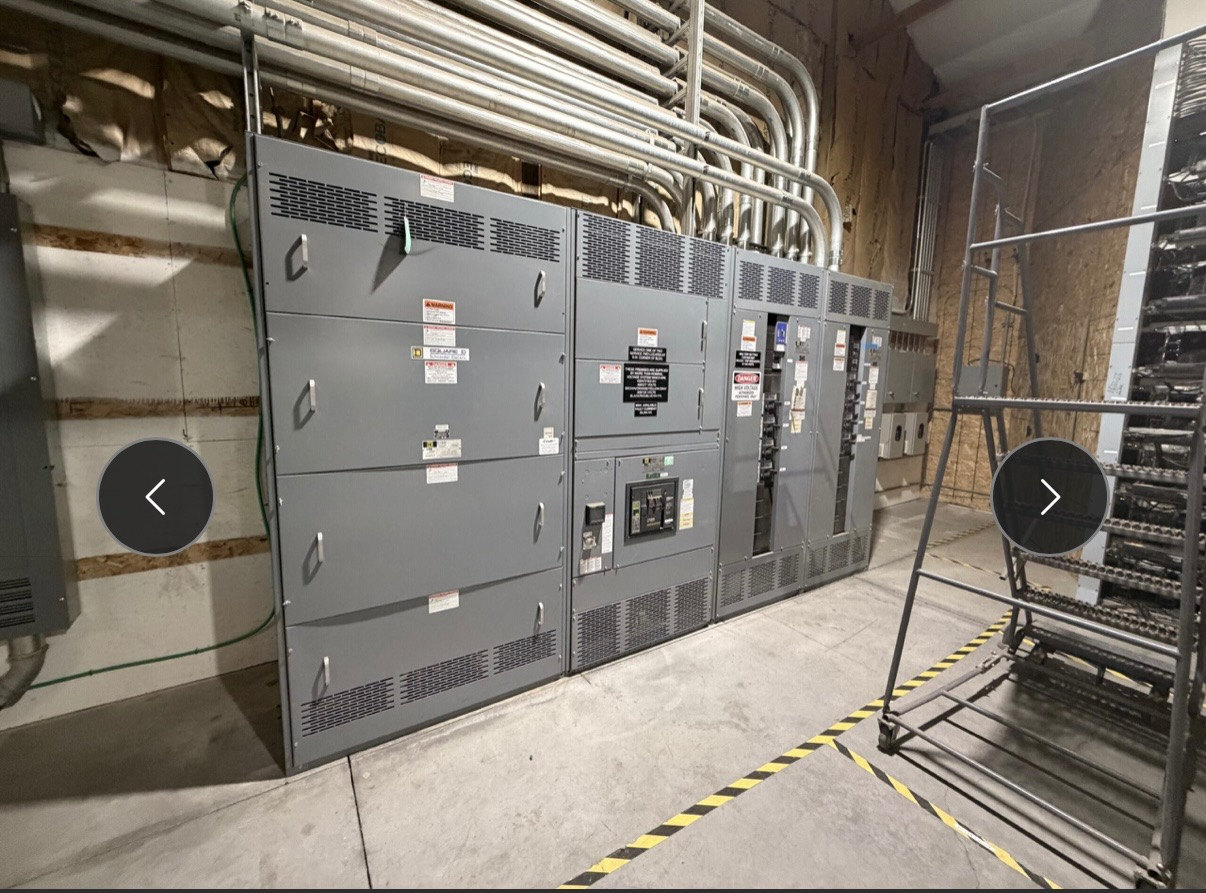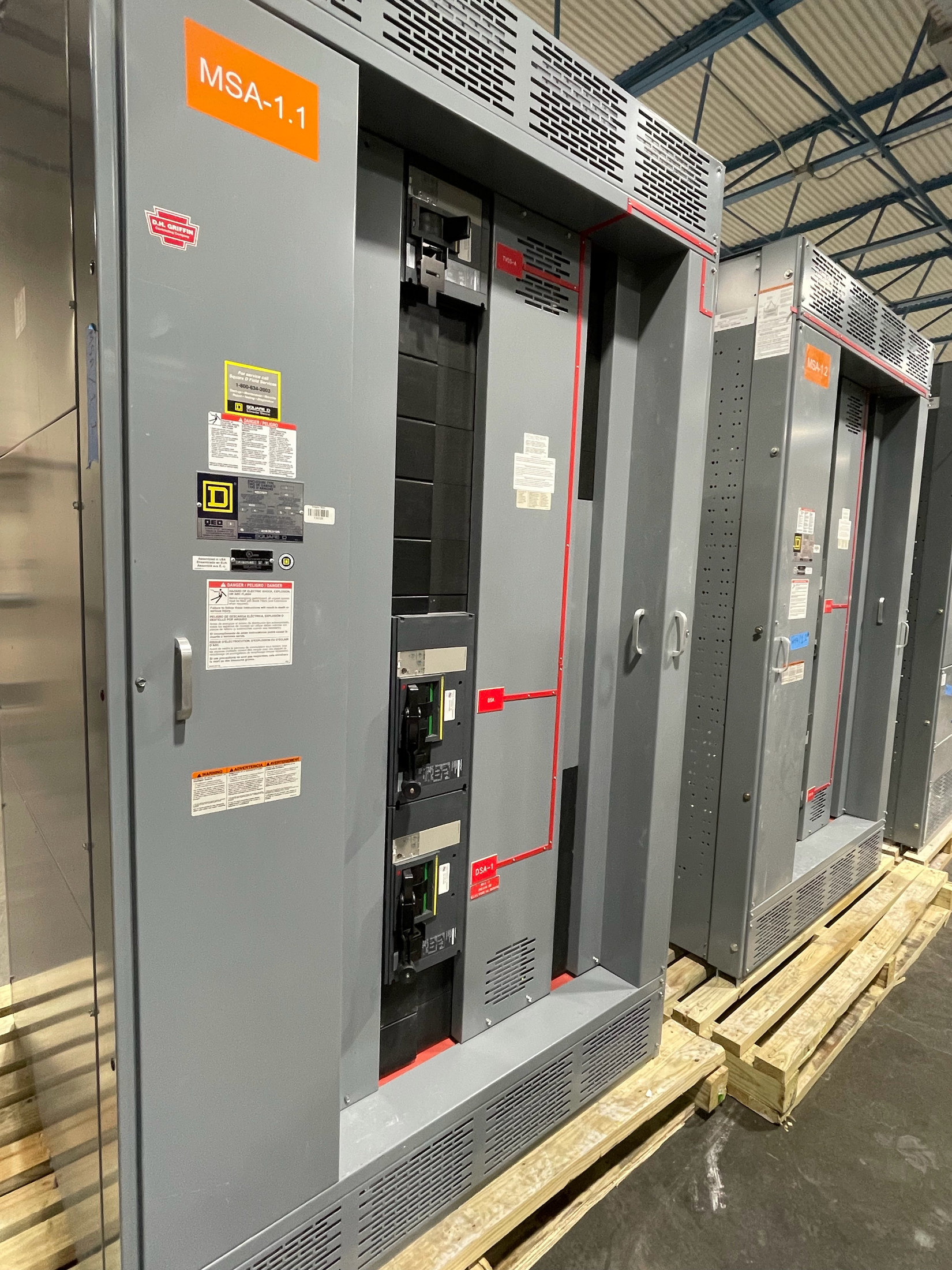
Decide What Equipment You Own and Want to Sell
Before describing ampere-frame or trip information, establish that you own the switchgear or are authorized to arrange its sale. Identify the equipment included in the proposed transaction and distinguish it from gear, controls, or other property that will remain. A clear scope lets us assess the equipment offered rather than assume that an entire lineup or facility is available.
We buy used, surplus, and decommissioned switchgear across all voltage classes, including equipment from decommissioned data centers and shut-down power plants. A purchase is subject to agreement and depends on the equipment. We make cash offers for equipment we can consider; we do not promise an offer for every item. If ownership or the boundary of the sale is not clear, resolve that before presenting the equipment for review.
Report Frame, Trip Unit, and Setting Separately
A breaker’s ampere-frame marking identifies the frame designation; it is not, by itself, a statement of the trip unit installed or the setting shown for that unit. Describe these as separate observations. For example, report the frame marking as it appears, identify the trip unit marking independently if visible, and state the displayed or documented setting separately when that information is already available.
This distinction helps prevent a frame marking from being mistaken for the breaker’s actual trip setting. Do not infer one value from another, combine them into a single rating, or describe a setting as confirmed when it is not known. If the setting is absent from available records or cannot be read from an existing image, say that it is unknown or not recorded. There is no need to change equipment or obtain a new reading to make the initial report useful.
Use Existing Information as Found
Build the description from records, schedules, prior inventories, and labels that are already available to you. Preserve the wording and units shown in those materials, and distinguish a documented value from an observation made from an existing image. If records conflict, note the discrepancy rather than choosing a preferred value. This makes the equipment description more dependable without turning the sale inquiry into a technical evaluation.
Photos and labels are optional. If you already have images that can be shared, they may help identify the frame marking, trip-unit designation, and any visible setting separately. Owners control access to the equipment. No one needs to open, energize, test, adjust, disconnect, dismantle, or physically handle a breaker to send an initial description. We do not require seller testing, and we do not ask sellers to alter settings for a sale inquiry.
Describe the Equipment and Sale Scope
Along with breaker information, identify the switchgear being offered in terms already present in your inventory or records. Note whether the proposed sale covers particular equipment or a broader group, and identify any parts or property excluded from that scope. Include the available identification and condition information without presenting an unverified detail as fact. These descriptions give us a basis to determine whether the equipment is suitable for consideration.
For multiple breakers, keep each frame marking, trip-unit identification, and known setting associated with the correct item in your records. Avoid carrying a value from one breaker to another simply because the equipment appears similar. If a label is unclear or a setting is unavailable, describe that limitation plainly. Accurate separation of known information is more useful than a complete-looking list built on assumptions.
Coordinate the Purchase and Pickup
If we agree to purchase equipment, payment is made upfront before pickup. The sale scope, equipment included, and pickup arrangements should be agreed upon before the work is scheduled. We handle cranes, rigging, disconnects, loading, freight, and hauling. Sellers do not need to arrange those services as part of the pickup coordination.
The seller or owner controls access to the property and identifies the equipment included in the agreed sale. Coordinate access and timing with us so the equipment and pickup scope match the agreement. The payment-before-pickup arrangement is direct: payment is made before pickup begins, not after equipment has been removed or transported.
Request Consideration for Pennsylvania Switchgear
When you contact us, provide the ownership and scope information first, then share the switchgear description and any existing details for frame markings, trip units, and settings. Separate what is known from what is unknown, and identify information taken from records versus information visible in existing images. This allows us to review the offered equipment without treating a frame designation as proof of a trip setting.
We buy equipment only when its condition, identity, scope, and other circumstances support an agreed purchase. An inquiry does not guarantee an offer, and any offer depends on the equipment and the terms accepted by both sides. If we reach agreement, we provide a cash offer and pay upfront before pickup; we then handle cranes, rigging, disconnects, loading, freight, and hauling.