Inventory the Equipment Before Discussing Current
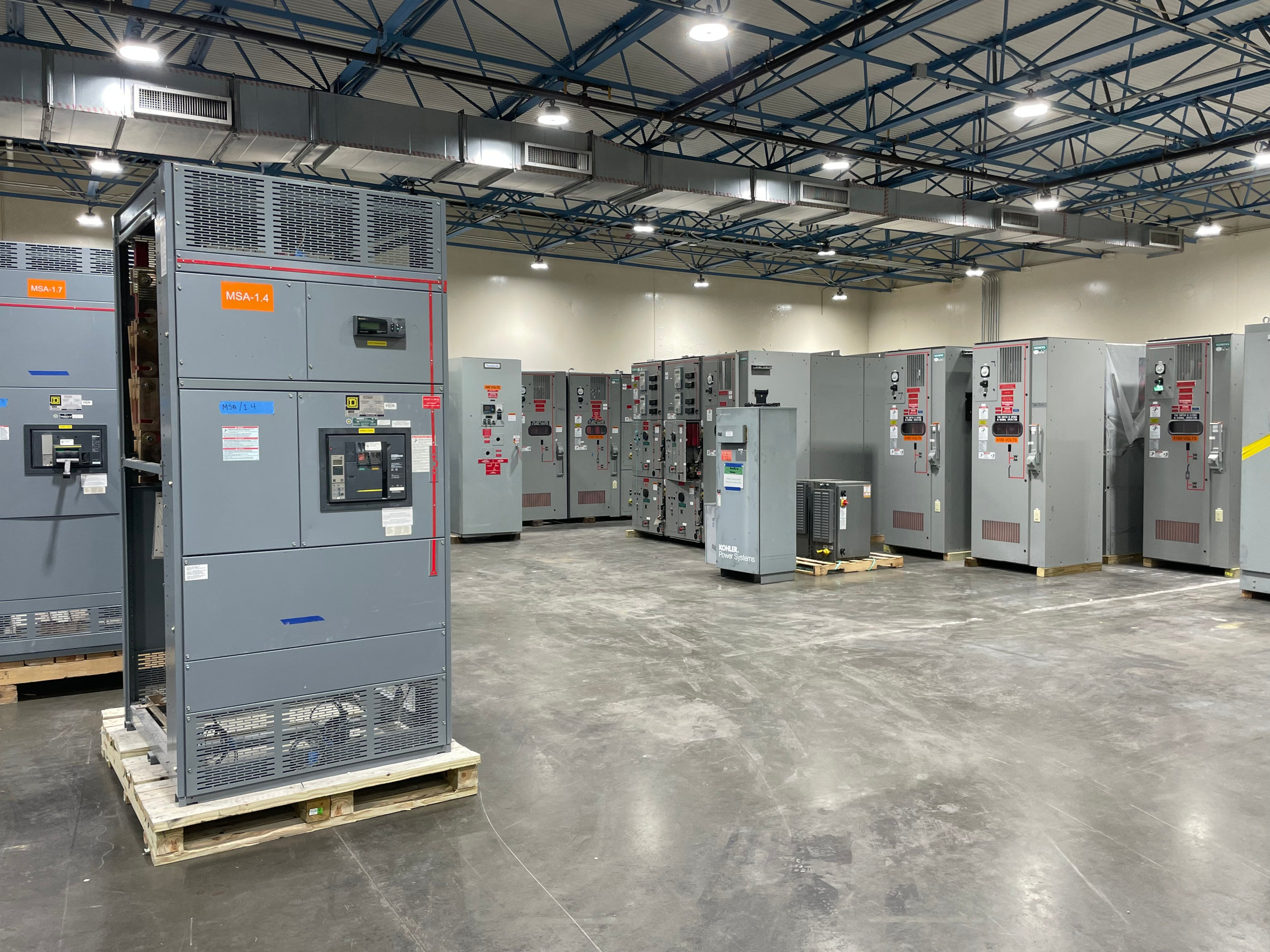
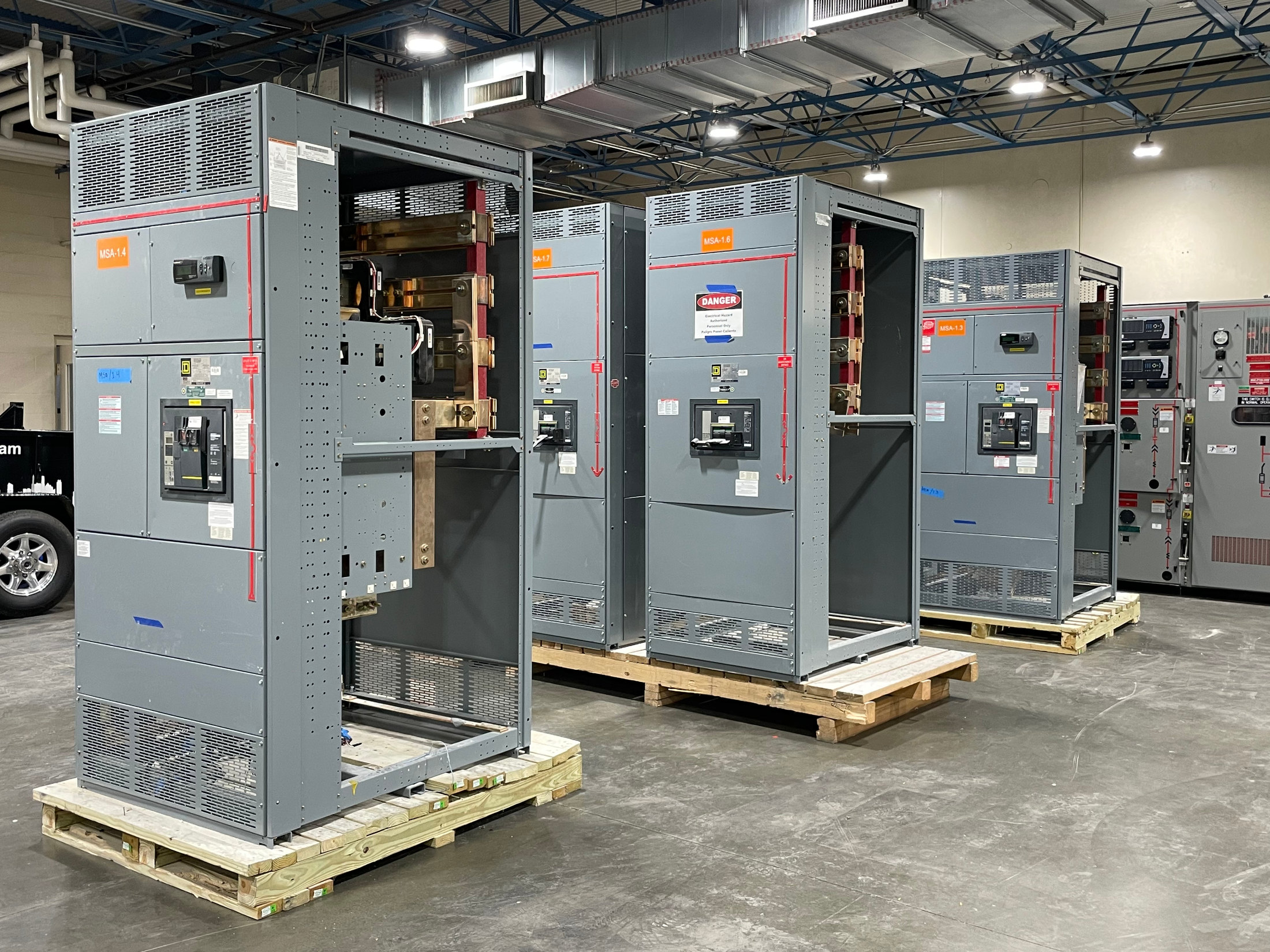
Start with a clear inventory of the electrical distribution equipment being offered. Identify each asset by its available nameplate information, equipment type, manufacturer, and any existing asset or location label. Record rated current as it appears in existing documentation or on a label that is already safely accessible. Treat operating load as a separate item of information: include it only when the owner has a documented value and can identify what equipment, operating period, and measurement record it describes. A load figure is not a substitute for the equipment’s stated rating, and the rating does not establish what load the equipment carried in service.
Use the inventory to distinguish the equipment included in the sale from property the owner will retain. Show which switchgear sections, associated distribution equipment, and other listed assets are part of the proposed sale, and identify retained items separately. This boundary matters when a facility has shared lineups, connected systems, or adjacent equipment that is not being sold. Clear asset identification helps us review the actual offer scope rather than assume that everything in a room, plant, or data center is available. We buy used, surplus, and decommissioned electrical distribution equipment, including switchgear from decommissioned data centers and shut-down power plants, across all voltage classes.
Keep Rated Current and Operating Load Distinct
Rated current is equipment identification: it is the current rating stated for the equipment in its existing records or markings. Operating load is a description of use at a particular time or under documented conditions. These terms answer different questions. One describes a stated equipment rating; the other describes an observed or recorded load. When preparing an inventory, preserve that distinction instead of presenting a measured or reported operating value as the equipment rating, or implying that rated current tells a buyer the facility’s actual demand.
A useful seller record keeps the source and context of each value with the asset entry. For rated current, note that the number comes from an existing nameplate or document and transcribe it as recorded. For operating load, identify the existing record and the asset or system to which it pertains; if the record covers a larger system, do not assign its value to an individual component without documentation. If no operating-load record is available, the inventory can still identify the equipment and its recorded rating without supplying an estimate. This keeps the sale discussion grounded in the assets and information the owner can document.
Describe Existing Records Without Estimating
When records contain both rated-current information and operating-load data, retain each in its own field or description. Include units and wording as they appear in the source, and identify whether the information comes from an equipment marking, an asset record, or an existing operating record. If a value is unclear, incomplete, or associated with a broader system, flag that limitation in the inventory rather than resolving it through an estimate. The purpose is accurate identification for a potential purchase discussion, not a new rating determination.
Operating load can vary with the equipment and system being described, so an old reading should not be presented as a current or universal value unless the record supports that description. Likewise, a stated rated current should not be represented as a record of actual operating demand. We do not require seller testing to consider an offer. Existing documentation can help identify assets, but an owner does not need to create a new load figure or perform a measurement for the inventory. Keep the distinction factual and concise so that both the equipment and the limits of its records are clear.
Define Sale Scope Against Retained Property
Create a separate inventory entry for each sale asset or clearly identified group of assets. Tie each entry to an existing asset tag, room designation, lineup description, or other owner-controlled identifier when available. Then mark whether it is included in the proposed sale or retained. This is especially useful where electrical distribution equipment is installed alongside property that remains with a facility, or where a shutdown or surplus project covers only part of an installation. A current rating or operating-load record should follow the asset or system it actually describes, not simply the nearest item on a list.
State whether documentation refers to the offered equipment, a retained asset, or a broader operating system. If the relationship is uncertain, keep the information associated with the broader record and leave the individual equipment entry without an assigned load. That prevents a potentially useful system record from being mistaken for a verified figure for a sale asset. Owners control access to their property. Photos and labels are optional, and should only be shared when already safely accessible; an inventory can begin with information the owner already has without handling equipment to produce additional material.
Organize Records for Buyer Review
A concise inventory can include equipment identity, sale-versus-retained status, existing rated-current information, and any separately documented operating load with its source and scope. Add the equipment location or owner’s identifier where it helps distinguish similar assets. Keep related records together, but do not combine values from different equipment or operating periods into a single figure. If an asset has no available rating record, identify it by the information that is available rather than filling the gap with an assumed value. This approach supports a focused conversation about what is being offered and what information accompanies it.
We review the equipment and proposed scope to determine whether we can make a cash offer; an offer is not available for every item and depends on the equipment. The inventory helps establish which assets are under consideration and whether recorded current information pertains to them. It does not need to turn into a technical assessment of the installation. We do not ask sellers to test equipment or generate operating-load figures. Existing documents and optional, safely accessible identification can be shared for review while the owner retains control of the site and its records.
Coordinate a Purchase Around the Agreed Assets
Once the sale scope is understood, keep the agreed asset list distinct from retained property in the purchase and pickup coordination. Rated-current information and documented operating load can remain in the asset record, but the physical items included in the transaction should be identified independently. This separation is important when the inventory includes equipment in connected areas or records that describe both offered and retained assets. Any questions about which items are included should be resolved in the scope discussion before pickup arrangements are made.
We buy only; we are not offering equipment for sale. For equipment we agree to purchase, payment is made upfront before pickup. We handle cranes, rigging, disconnects, loading, freight, and hauling as part of coordinating the removal. The owner controls access and identifies the property included in the sale. No seller testing is required. Keeping the offer, payment timing, sale boundaries, and pickup coordination aligned gives both parties a clear basis for completing an agreed transaction without treating a rating or load record as a substitute for asset identification.