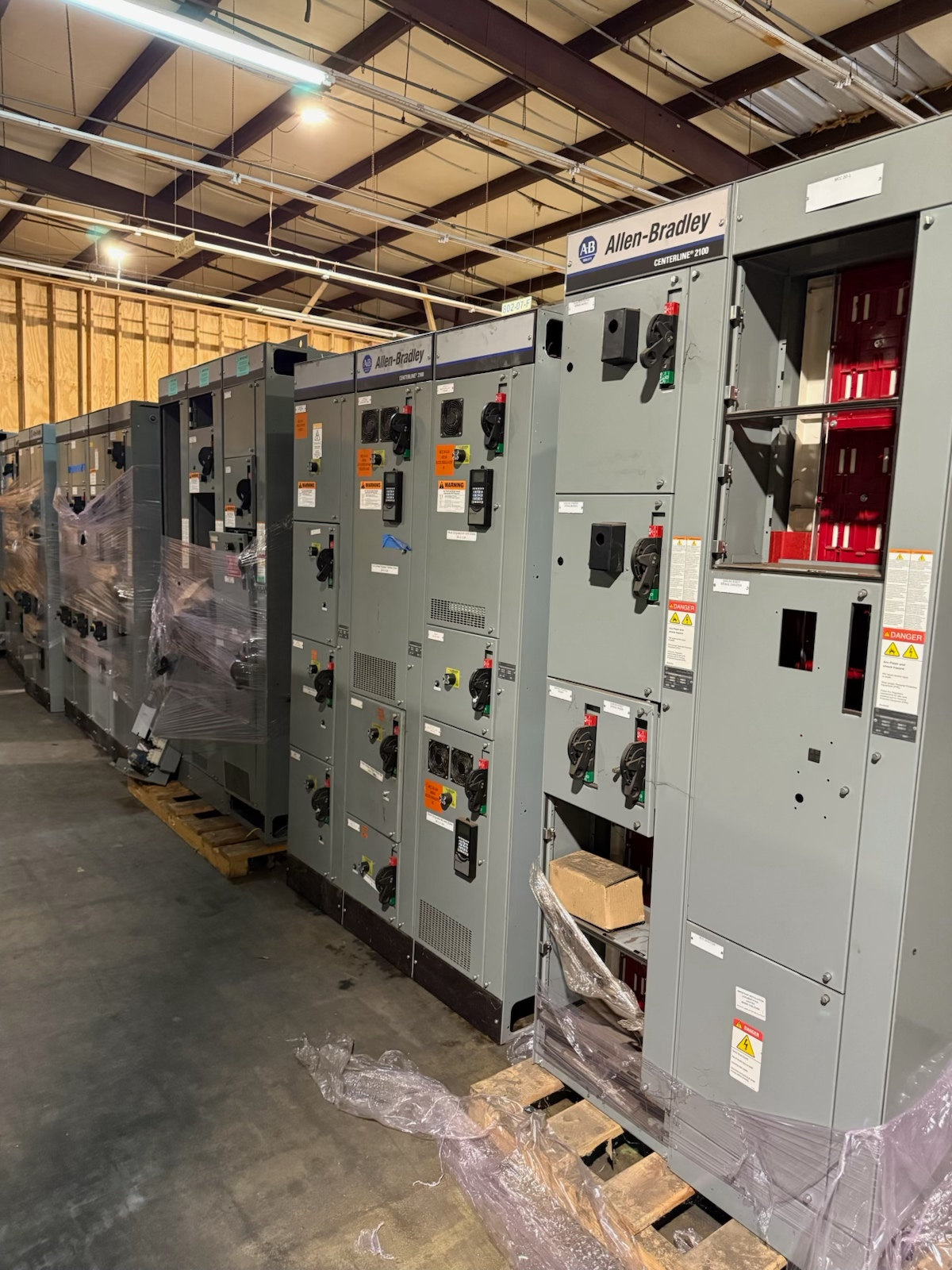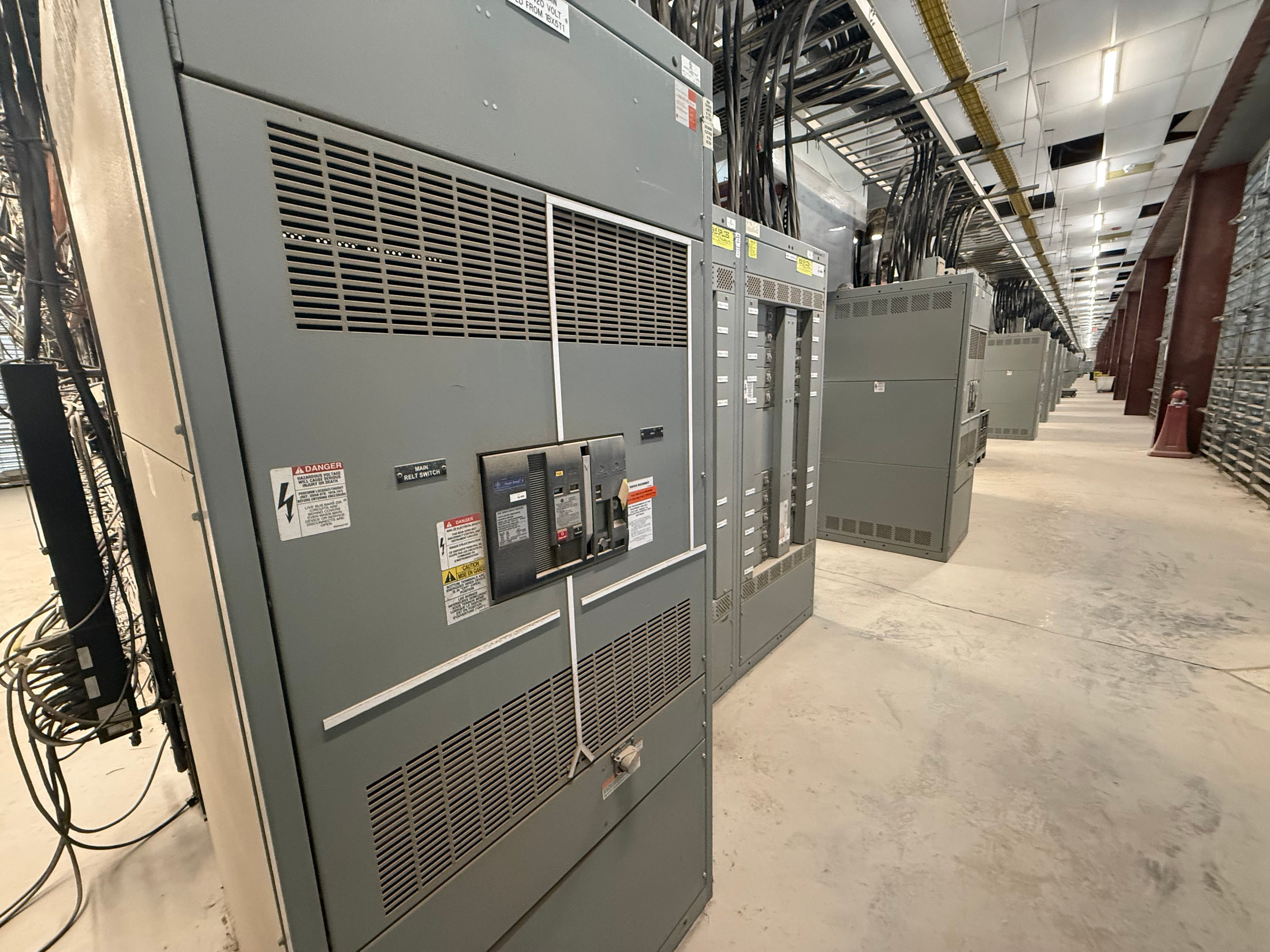
Start with the load-interrupter inventory
Before deciding whether to keep load-interrupter switchgear in storage, assemble a simple inventory of what is present and what is known. Record the number of assemblies or sections, any visible manufacturer and identification labels, the general enclosure form, and the location where the equipment is stored. If paperwork already exists, note its title and date and gather available drawings, purchase records, prior inventory descriptions, or decommissioning documents. These details help us understand the equipment being offered without asking you to operate or test it.
Separate confirmed information from estimates and unknowns. For example, an old inventory may identify a switch assembly while leaving its configuration, completeness, or condition unclear. Preserve that distinction rather than filling gaps with assumptions. Photos of labels or exterior surfaces are optional, and should be taken only when already safely accessible. Owners control access; there is no need to open an enclosure, move equipment, or arrange seller testing to begin a conversation about a possible sale.
Describe the assembly and enclosure
A useful description focuses on what can be identified from existing records and safely visible exterior information. Note whether the inventory refers to a single assembly or a group of sections, and whether the equipment is described as load-interrupter switchgear in its records. If a label is legible from a safe, accessible position, its wording can help distinguish the item in the inventory. Keep the label transcription factual, and avoid interpreting unfamiliar terms as a voltage class, capability, or configuration unless the documentation explicitly identifies that information.
Describe the enclosure in ordinary terms: its apparent form, how many separate pieces are listed, and whether the records treat them as one assembly or multiple sections. Note visible distinctions only when they can be observed without access changes or physical handling. A description such as “enclosed assembly, configuration not confirmed” is more useful than an unsupported technical conclusion. We review the information supplied and determine whether the equipment may fit a purchase; identification and acceptance remain subject to review.
Track documented configuration—and gaps
Configuration details can affect how a load-interrupter assembly is understood, so collect only what is already documented. Existing drawings, equipment schedules, records, or labels may describe the arrangement or identify associated sections. Refer to those sources by their own wording and keep documents linked to the item they describe. If two records disagree, note the discrepancy rather than choosing one. If no configuration information is available, state that plainly; a partial inventory is still a useful starting point for review.
Do not infer ratings, condition, completeness, compatibility, or intended application from a general product name or an exterior appearance. A visible label is an identifier, not by itself a full technical assessment. Any technical evaluation that is needed belongs to qualified parties, not the seller through testing or operation. Our purchase review uses the information available to consider the specific equipment offered. We may ask for clarification about inventory or records, but an inquiry does not establish acceptance or guarantee that an offer will be made.
Compare storage with a cash offer
Keeping equipment in storage has continuing practical consequences: it occupies space and may remain difficult to inventory when documentation is incomplete. A sale can be worth considering when the equipment is surplus, associated with a closed facility, or no longer part of the owner’s plans. Instead of treating storage cost or a presumed resale value as a final answer, compare the known costs and responsibilities of retaining the equipment with a cash offer made for the equipment we review. An offer depends on the specific items and the information available; not every item is suitable for purchase.
For an independent Pennsylvania equipment owner, the comparison can begin with a concise inventory, existing records, and a description of the enclosure and documented configuration. We buy used, surplus, and decommissioned electrical distribution equipment, including switchgear from decommissioned data centers and shut-down power plants, across all voltage classes. That broad purchasing scope does not mean every load-interrupter assembly will be accepted. The relevant question is whether the particular equipment, as presented for review, supports a purchase agreement. Keep the decision tied to the actual offer and agreed scope rather than an assumed value or a general market estimate.
Coordinate review without seller testing
You do not need to test or operate load-interrupter switchgear to discuss a sale with us. Do not energize it, open it, disconnect it, dismantle it, or physically handle it for the purpose of preparing an inquiry. If additional technical evaluation is appropriate, it belongs to qualified parties under the owner’s control. The owner also controls access to the equipment and any existing records. This keeps the initial inventory focused on information already available rather than creating new handling or testing steps for the seller.
A review can begin with the quantity, general assembly description, visible label information if safely accessible, enclosure description, and the documents you already have. Identify which statements come from records, which are visual descriptions, and which points remain unknown. We can consider that information in deciding whether to make a cash offer. Review is specific to the equipment and its documented scope, and acceptance is subject to review and agreement. No assumption about technical condition or configuration should be treated as a completed evaluation or a purchase commitment.
Agree on scope and payment before pickup
If we make an offer and you choose to proceed, confirm which load-interrupter assemblies or sections the agreement covers. Use the inventory and any available records to avoid confusion between included equipment and items that remain with the owner. Resolve questions about the sale scope before scheduling pickup, and make sure the person authorizing the sale has control over the equipment and access arrangements. The purchase proceeds only when both sides agree to the equipment and terms; a preliminary discussion or inventory review is not an agreement.
We make cash offers, with payment upfront before pickup. That payment arrangement is established before the equipment is collected, not after loading or delivery. The agreed scope and pickup coordination should be clear before work is scheduled. If the available information does not support a purchase decision, the review may require clarification, or the equipment may not be accepted. An offer is not promised for every item, and any sale depends on the specific equipment and a mutually agreed transaction.
Pickup and removal coordination
For an agreed purchase, we handle cranes, rigging, disconnects, loading, freight, and hauling. These responsibilities are coordinated as part of the pickup plan; the seller should not perform technical or physical preparation on our behalf. The owner controls access and coordinates any site requirements with the parties responsible for the location. Equipment should remain under the owner’s control until the agreed pickup arrangements are in place. No seller testing, opening, dismantling, or moving is needed to initiate the inventory and offer discussion.
A clear inventory supports the handoff by showing what was reviewed and what is included in the sale. Keep available records with the corresponding assembly or sections, and tell us if an earlier description was uncertain or later corrected. Pickup timing and logistics are addressed when the parties have agreed on the equipment and sale terms; avoid treating an inquiry as a scheduled removal. When storage is the alternative, weigh its continuing demands against the actual cash offer, upfront payment before pickup, and the agreed handling plan. The final decision rests on the equipment reviewed and the agreement reached.