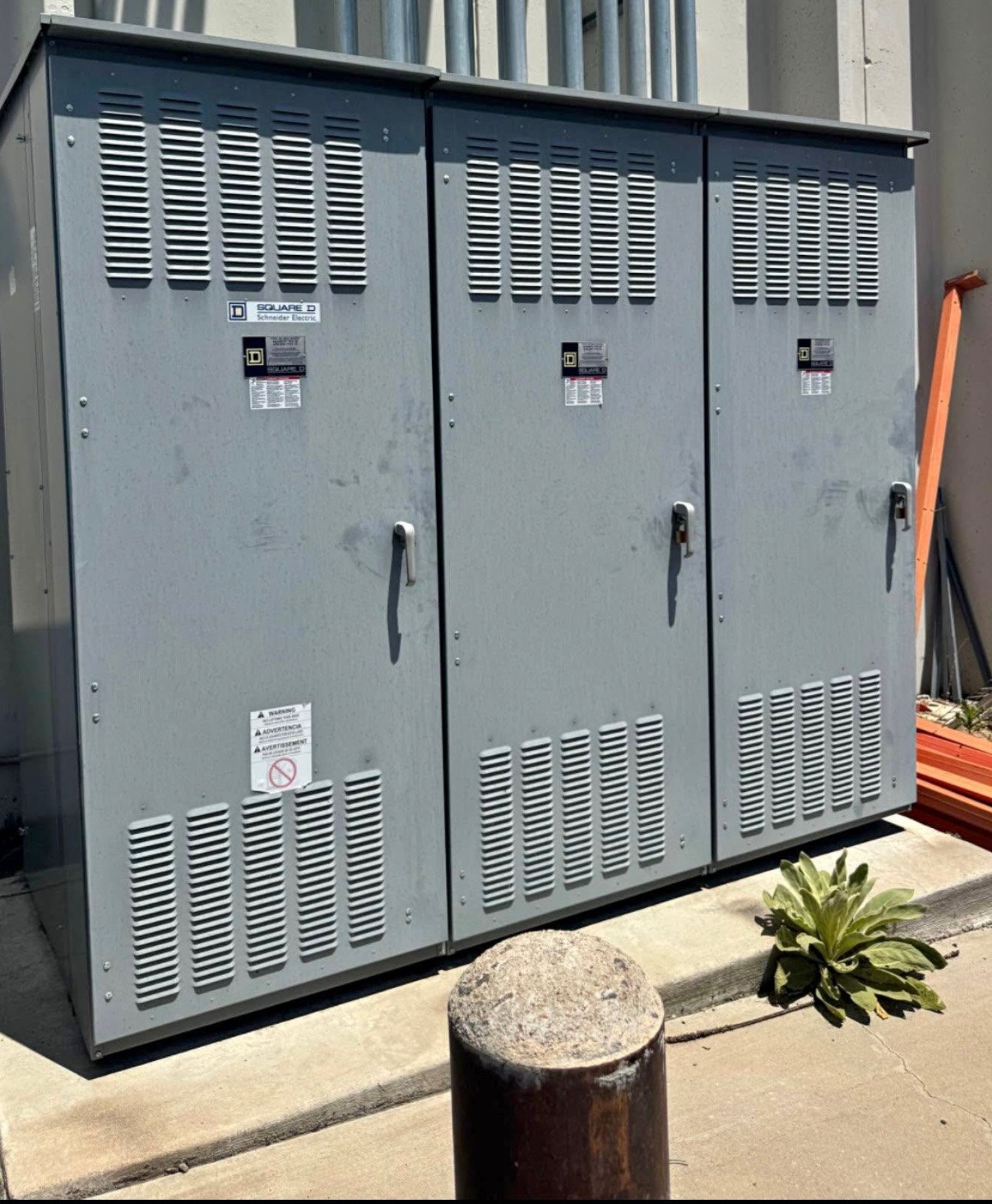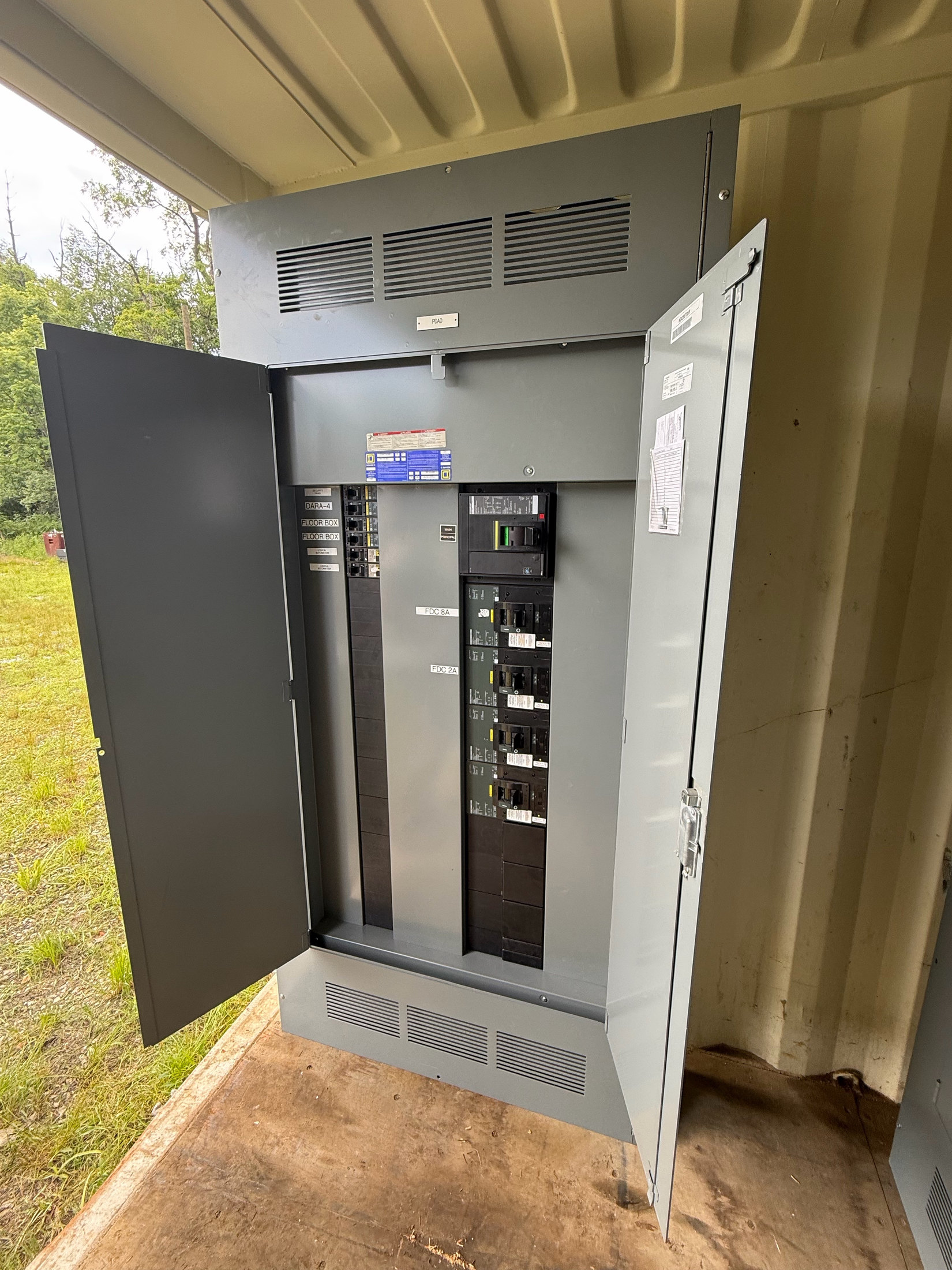
What phase tells a buyer
When you are selling electrical equipment, phase is a seller-provided identifier that describes the equipment’s stated electrical configuration. Single-phase and three-phase identify different categories; neither term substitutes for volts or amps. Keep these details distinct when you describe an item so a buyer can assess the information as a whole rather than infer one rating from another.
For a Pennsylvania sale, start with the records already available to you: an existing inventory, equipment schedule, purchase record, or other documentation that identifies the item. If those records state its phase, preserve that wording in your description. If phase is not documented or is uncertain, say so rather than guessing from appearance, location, or a neighboring item’s information.
Which existing records can answer seller questions?
Ask: Does an existing record identify this specific piece of equipment as single-phase or three-phase? Is that description tied to the same item through an asset identifier, recorded location, or other reference you already use? These questions help keep a phase statement attached to the correct equipment when a site has multiple assets or an inventory contains similar entries.
Ask also: Are volts and amps recorded separately? Keep each value in its own field or description rather than treating phase as a replacement for either one. If records disagree, retain the distinction and tell the buyer that documentation differs. You do not need to resolve a conflict by testing or altering equipment; the buyer can consider the available information when reviewing an offer.
Describe unknown or incomplete phase information
If your records do not state phase, describe it as unknown or undocumented. Avoid converting an incomplete record into a confident label, even when another document lists voltage, current, or a general equipment category. Those details do not, by themselves, establish the phase description you can provide as the seller.
You can still begin a conversation without a complete rating record. Share the item’s known identity and condition information, then identify which details are documented and which are not. If a label or record is already safely accessible, an optional photo or transcription may help communicate what it says. Access remains under your control, and there is no need to open equipment or perform any physical task to gather information.
Evaluate an offer without testing
You can evaluate an offer from the information already available, without testing the equipment. Review whether the proposed purchase description matches the item you intend to sell, whether its known phase information is stated accurately, and whether any uncertainty or conflicting records have been disclosed. Consider those points alongside the equipment’s broader condition and sale scope rather than treating a single phase label as the whole basis for an offer.
We buy used, surplus, and decommissioned electrical distribution equipment. Offers depend on the equipment and require agreement; not every item will receive an offer. We make cash offers, with payment upfront before pickup. No seller testing is required. A missing phase entry does not become a reason for you to conduct a test; simply report what your records establish and allow the buyer to assess the available information.
Keep phase separate from other rating routes
For clear inventory communication, keep phase separate from voltage and current information. A single-phase or three-phase entry is not a substitute for a voltage description, an ampere description, or other equipment identification. When you have separate existing records for these details, keep them linked to the same item without combining them into a new or assumed rating.
If you need to organize information beyond phase, use the relevant rating information for voltage or amperage as separate references. This page concerns seller identification of phase, not a replacement for those subjects. The distinction helps a buyer understand what is actually documented while avoiding unsupported conclusions from one label to another.
Coordinate the sale and pickup
Ask: What equipment is included in the sale, and what is the agreed pickup scope? Clarify the items covered and coordinate access with the people who control the site. This matters when inventory records list several pieces or when equipment is part of a larger decommissioned area. You decide what access is permitted; any optional photographs should be limited to information already safely accessible.
For equipment we purchase, we handle cranes, rigging, disconnects, loading, freight, and hauling. Payment is upfront before pickup, and the purchase proceeds only when both sides agree to the offer and sale scope. You do not need to arrange seller testing as part of the sale. Keeping the phase description tied to existing records helps the buyer discuss the right equipment while you coordinate the agreed transaction.
Questions to settle before agreeing
Before accepting an offer, ask: Does the offer identify the equipment being purchased, and does its description reflect the phase information your existing records provide? If the records say single-phase or three-phase, confirm that the wording is accurate. If they do not state phase, make sure the description does not imply that you verified it. Resolve any difference in the written equipment description before agreeing to the sale.
Also ask what items are included, how pickup will be coordinated, and whether the payment arrangement is understood. Our terms are cash offers and payment upfront before pickup; we handle cranes, rigging, disconnects, loading, freight, and hauling for equipment we buy. Offers depend on the equipment and mutual agreement. Once the scope and documented information are clear, you can decide whether the offer fits the equipment you are selling.