Compare storage with an offer
A circuit breaker’s interrupting rating is a manufacturer-listed nameplate datum used to identify the breaker. It is distinct from the breaker’s continuous current rating, which describes a different part of its marked information. When you consider selling, those markings can help describe what is in storage, but they do not by themselves establish the value of an individual breaker or an entire equipment lot.
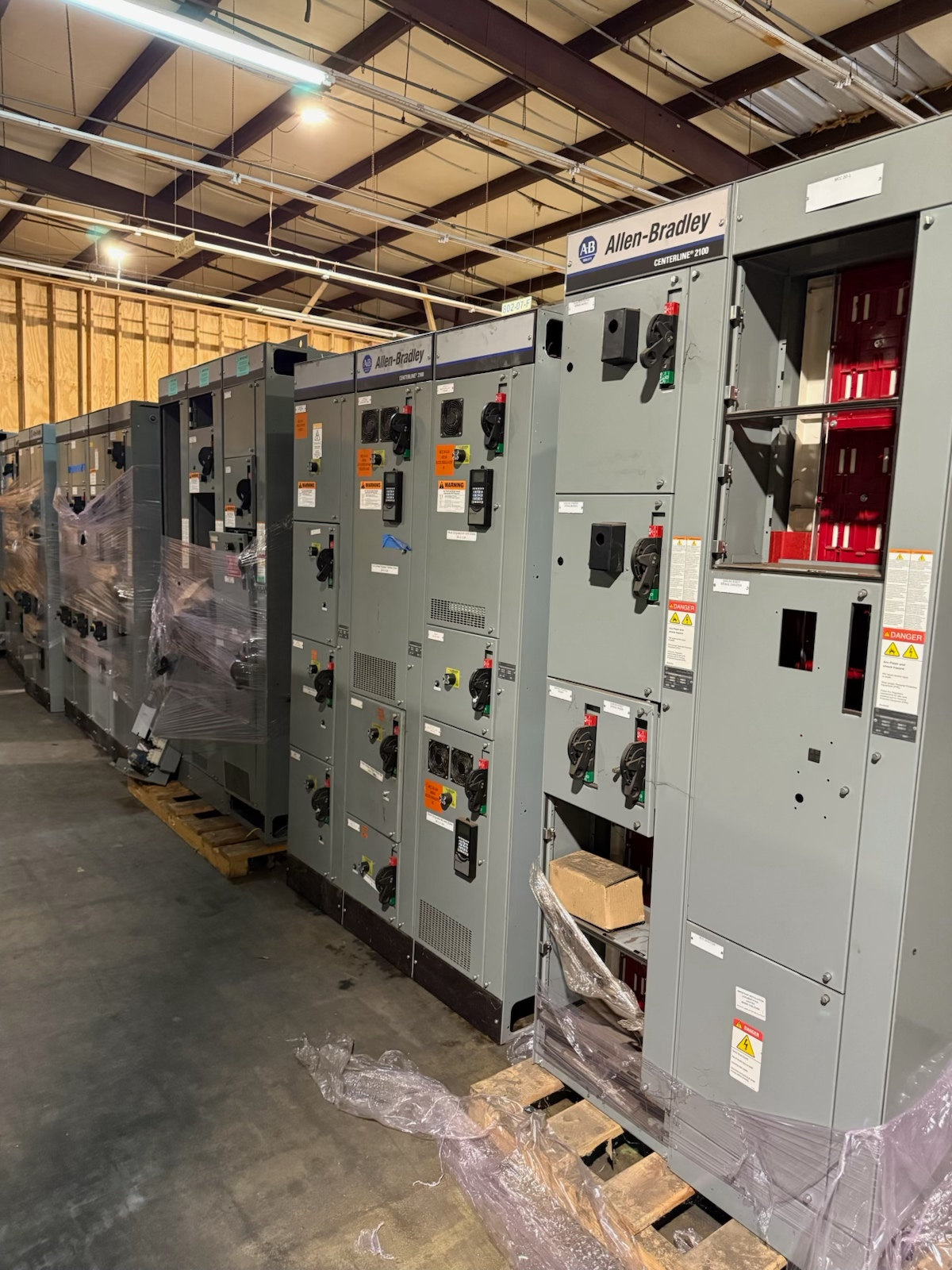
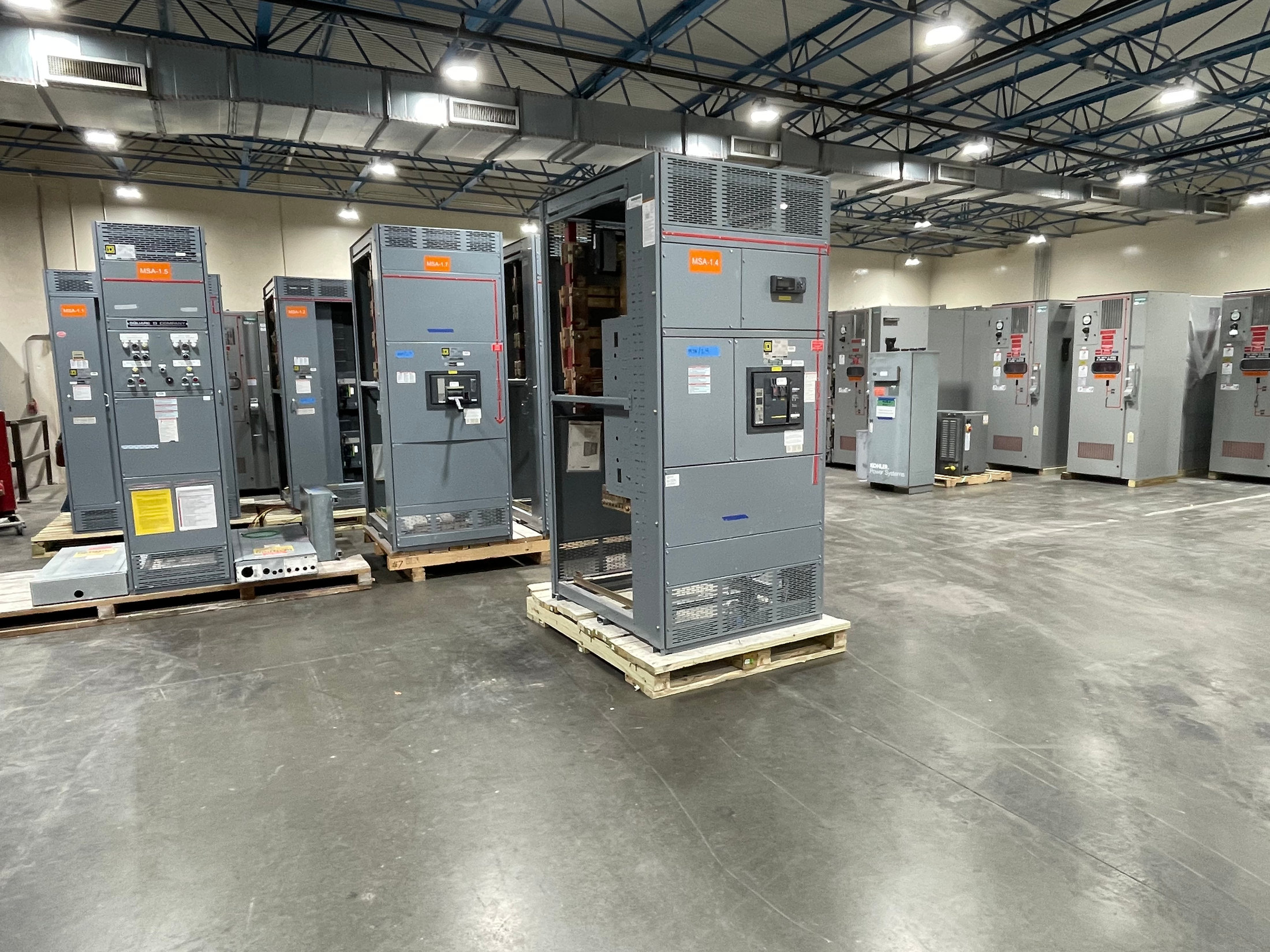
Keeping surplus equipment means continuing to store and manage it without a sale. An offer gives you a specific opportunity to compare against that choice. We make cash offers for used, surplus and decommissioned electrical distribution equipment in Pennsylvania; whether a particular item is of interest depends on its condition, identity, quantity and the scope of the lot. You can share information already available to you and decide whether an offer is preferable to continued storage.
Identify the marked interrupting rating
For resale identification, record the manufacturer’s interrupting-rating marking as it appears on the nameplate or existing inventory record. Keep it separate from the continuous-amperes marking rather than treating the two figures as interchangeable. Preserving the wording and units shown helps avoid ambiguity when describing breakers, especially when a lot includes equipment with different labels or incomplete records.
The marking is one identifying detail, not a complete description of the equipment. Include the breaker’s manufacturer and any other identifying information already present in accessible records or images. If a nameplate is not readily visible, do not open or handle equipment to find it; a general inventory description can still help begin a conversation. Photos and labels are optional and only useful when already safely accessible.
Keep identification separate from system evaluation
A manufacturer interrupting rating describes a marked characteristic of a breaker. It is not the same as continuous amperes, and it does not independently determine whether equipment is suitable for a particular electrical system. For a sale, the practical purpose of noting the marking is to help identify the item and distinguish it from other equipment in the inventory.
The buyer’s review of an item for purchase is not a diagnosis of system adequacy. Sellers do not need to establish application suitability or conduct technical testing to request an offer. We do not require seller testing. Share the identification and condition information you already have, and we can consider it alongside quantity, equipment type and the broader lot.
Describe the breaker and the broader lot
A breaker may be offered on its own or as part of a wider group of distribution equipment. A complete lot description can include the number of breakers, available manufacturer and nameplate details, general condition as known, and whether related equipment is included. The interrupting-rating marking can help distinguish one group from another without becoming a substitute for describing the rest of the inventory.
The broader scope matters because an offer depends on the equipment being considered, not a single marking in isolation. Tell us whether the inventory includes additional breakers, switchgear or other distribution equipment, and whether items are stored together or in separate locations. We buy switchgear from decommissioned data centers and shut-down power plants across all voltage classes. A concise inventory description helps us understand what you want considered as one transaction.
Share information already available
Existing asset lists, purchase records and readable nameplate images may provide useful identification details. You can share the manufacturer interrupting rating exactly as documented, alongside continuous-amperes information when it is also available. Keeping those fields distinct makes the inventory clearer and helps prevent a marked interrupting rating from being mistaken for another rating or for a statement about the system where the equipment was used.
No special preparation is needed to create an inventory for an initial discussion. Owners control access to stored equipment, and any photos or labels should be limited to what is already safely accessible. We do not ask sellers to energize, test, open, disconnect, dismantle or physically handle equipment for identification. If records are incomplete, describe what is known and note what is unknown; an offer may still be considered depending on the equipment and lot scope.
Coordinate payment and pickup
If we reach agreement on a purchase, payment is made upfront before pickup. This lets the seller compare an agreed cash offer with the cost and inconvenience of keeping surplus equipment in storage, while the pickup is coordinated around the agreed equipment and access arrangements. An offer is not automatic for every item, and purchase terms depend on the equipment and the agreement between buyer and seller.
We handle cranes, rigging, disconnects, loading, freight and hauling as part of pickup coordination. Sellers remain in control of access to their property and equipment. There is no seller testing requirement as part of this process. Before pickup, the parties can confirm which items are included, the agreed payment and the arrangements for access and removal, so the scope is clear.
Request an offer on equipment in Pennsylvania
To start, describe the breaker inventory, including any manufacturer interrupting-rating markings already recorded, the quantity, known condition and whether other equipment is part of the lot. If you are comparing storage with a sale, say whether you want an offer for the breakers alone or for the broader group. We review the information in context and can discuss an offer when the equipment is of interest.
Our Pennsylvania buying focus includes used, surplus and decommissioned electrical distribution equipment. The interrupting-rating detail supports identification; the final purchase decision depends on the equipment and agreed scope, rather than on that marking alone. If you accept an offer, payment is upfront before pickup, and we coordinate the listed removal and transportation work. Contact us with the inventory information you already have to discuss whether a sale makes sense.