Decide What Is Being Offered
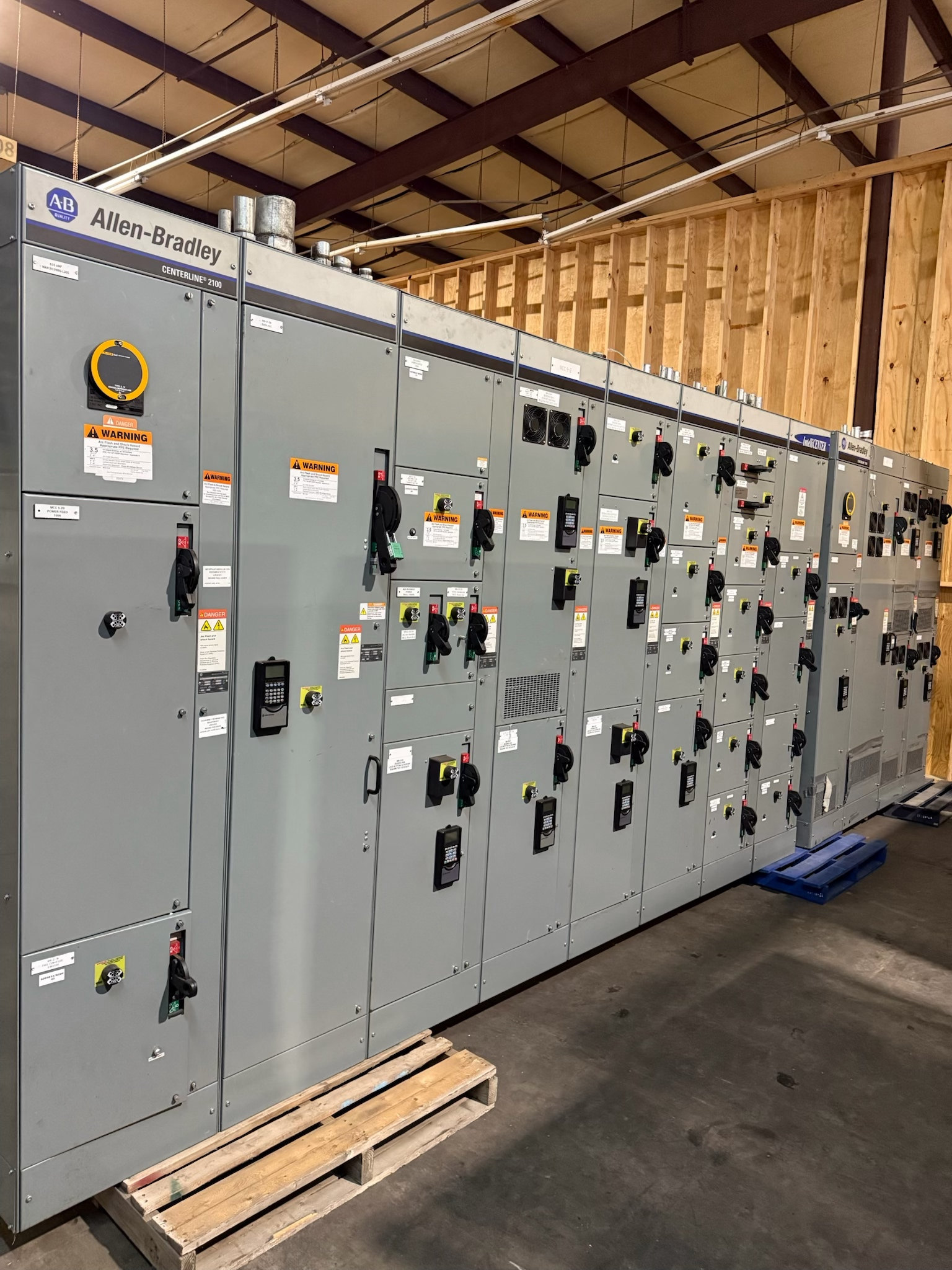
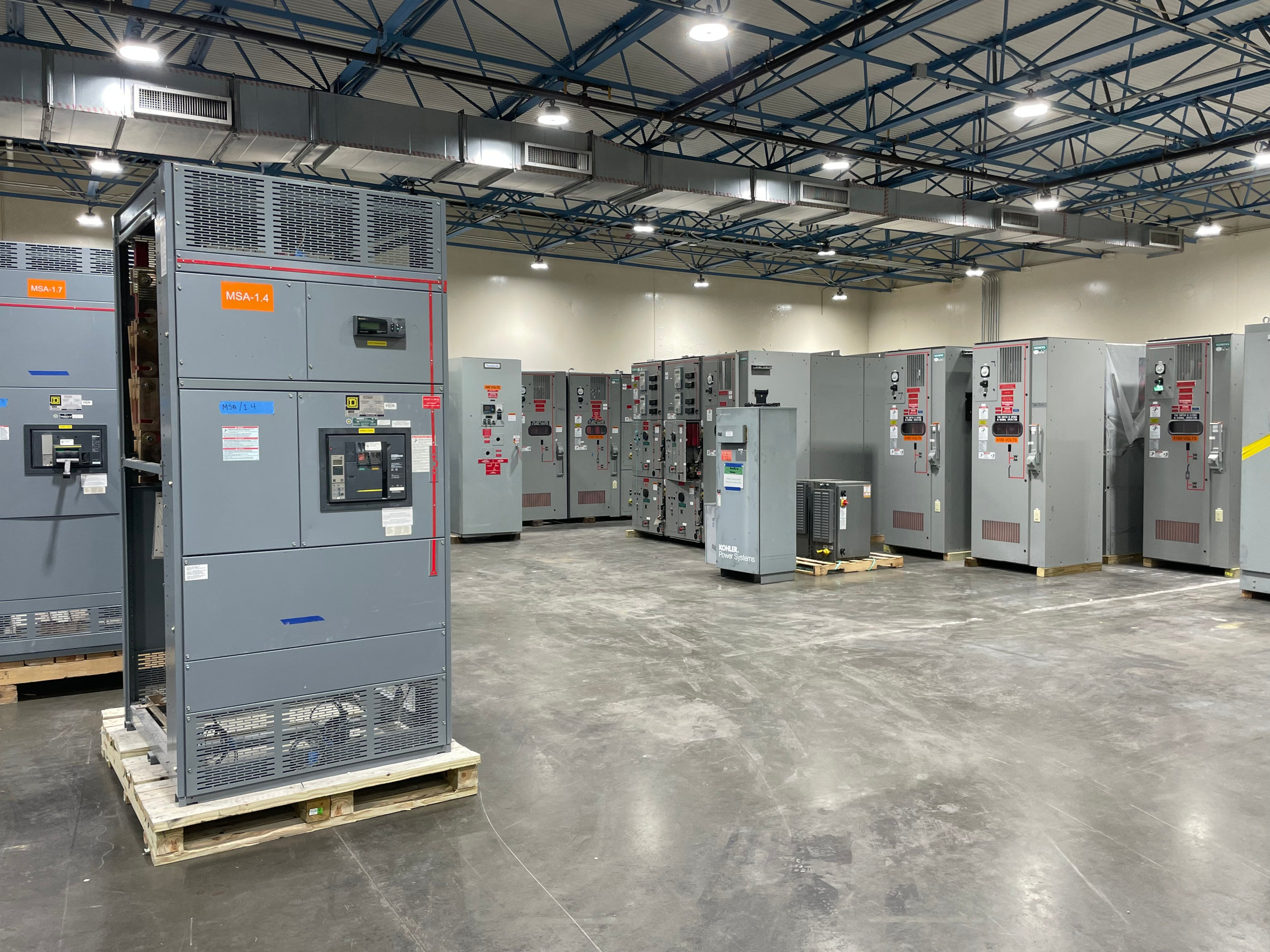
Before presenting switchgear for sale, decide whether the proposed lot is an assembled lineup, a defined portion of an assembly, or separate loose components. That distinction affects how bus and breaker information should be described. A lineup’s bus marking identifies an assembly-level characteristic; an individual breaker’s nameplate identifies that breaker. Neither should be substituted for the other in an inventory or offer discussion.
We buy used, surplus and decommissioned electrical distribution equipment in Pennsylvania, including switchgear from decommissioned data centers and shut-down power plants, across all voltage classes. We buy equipment only. An offer depends on the equipment and the agreed scope. If the equipment is suitable for purchase, we make a cash offer and payment is upfront before pickup. We do not require seller testing.
Keep Assembly and Component Records Separate
An assembled switchgear lineup may have identification and rating information associated with the assembly, including a bus continuous-current marking. Breakers installed in that lineup are individual components with their own nameplates and records. When preparing an inventory, keep the assembly description and its bus information distinct from each breaker’s identification and nameplate details. This avoids presenting one component’s marking as the rating of the full lineup, or the lineup’s marking as the rating of every breaker.
If breakers have been removed or are being offered separately, describe them as loose components rather than as part of an intact lineup. State which pieces remain together and which are separate, using existing records where available. The distinction helps establish what is actually included in the proposed sale and gives the buyer a clearer basis for discussing scope without treating an incomplete assembly as a complete one.
Describe the Bus Marking in Context
For an assembled lineup, report the bus continuous-current marking as an assembly detail and identify the equipment it belongs to. Use the information already present on accessible labels or in existing documentation; do not infer a bus value from a breaker nameplate or from a general description of the equipment. If records are incomplete, say which information is available and which is not, rather than filling gaps with an assumption.
A bus marking alone does not describe the full equipment package. The lineup’s configuration, completeness, condition as represented by the seller, and included sections or components can all affect the scope being discussed. Keep those facts alongside the assembly identification, but separate them from the rating entry itself. That gives a buyer a useful description without turning a single marking into a broader claim about every included part.
Inventory Breakers Individually
For each breaker included with a lineup or offered loose, record its own available identification and nameplate information as a separate inventory entry. Keep the breaker’s identity tied to that specific component, and note whether it is installed in the assembly or included outside it. Do not use the lineup bus marking to describe an individual breaker, and do not treat one breaker’s marking as the bus rating for the assembly.
Existing inventory sheets, equipment schedules and safely accessible labels can help organize the information. Photos are optional and useful only when the relevant labels are already safely accessible. Owners control access to their equipment; a sale discussion does not require the seller to open equipment, remove components, or perform physical handling to obtain details. If a marking cannot be read from information already available, list it as unavailable rather than guessing.
Define the Sale Lot and Its Scope
A clear sale description identifies whether the offer concerns an entire lineup, selected sections, installed breakers, or a separate group of loose components. It should also make clear whether breakers remain with the assembly or are excluded from it. This scope matters because assembly-level information and component-level information describe different things, and a buyer needs to know which physical items the proposed transaction covers.
When the equipment comes from a decommissioned data center or a shut-down power plant, records may refer to a larger installation or inventory group. Relate each bus marking and breaker entry to the specific lineup or component in the sale lot. Avoid combining records from separate equipment into one description. If the proposed scope changes, update the inventory so the buyer can discuss the actual group being offered rather than an earlier or broader list.
Coordinate the Sale Without Seller Testing
We do not ask sellers to test equipment for a purchase discussion. Existing markings and records can support an initial inventory; unavailable details can be identified as unavailable. Do not perform testing, adjustments, or other work to create new information for the sale. Keep the discussion focused on what the equipment is, what is included, and which assembly or component each recorded marking describes.
Owners control site access and the equipment. If a purchase proceeds, we coordinate the pickup and handle cranes, rigging, disconnects, loading, freight and hauling. Payment is upfront before pickup, and cash offers depend on the equipment and the scope agreed upon. These terms let sellers discuss the inventory and sale boundaries without arranging separate handling or treating an initial description as a promise of purchase.
Use the Right Rating Reference
When reviewing related equipment information, keep assembly bus ratings separate from breaker ratings and from other rating topics. Follow the relevant existing rating pages for their specific subjects rather than using one discussion to stand in for another. For this sale, the useful distinction is straightforward: identify the lineup and its bus marking at the assembly level, then identify each included breaker from its own available nameplate information.
A well-organized description gives the buyer a practical starting point: the proposed lot, the equipment each record refers to, and the available assembly and breaker information kept in separate entries. It does not need unsupported conclusions or assumed values. We buy only, and any cash offer depends on the equipment and agreed scope. If terms are agreed, payment is upfront before pickup, with no seller testing required.