Selling drawout breaker switchgear in Pennsylvania
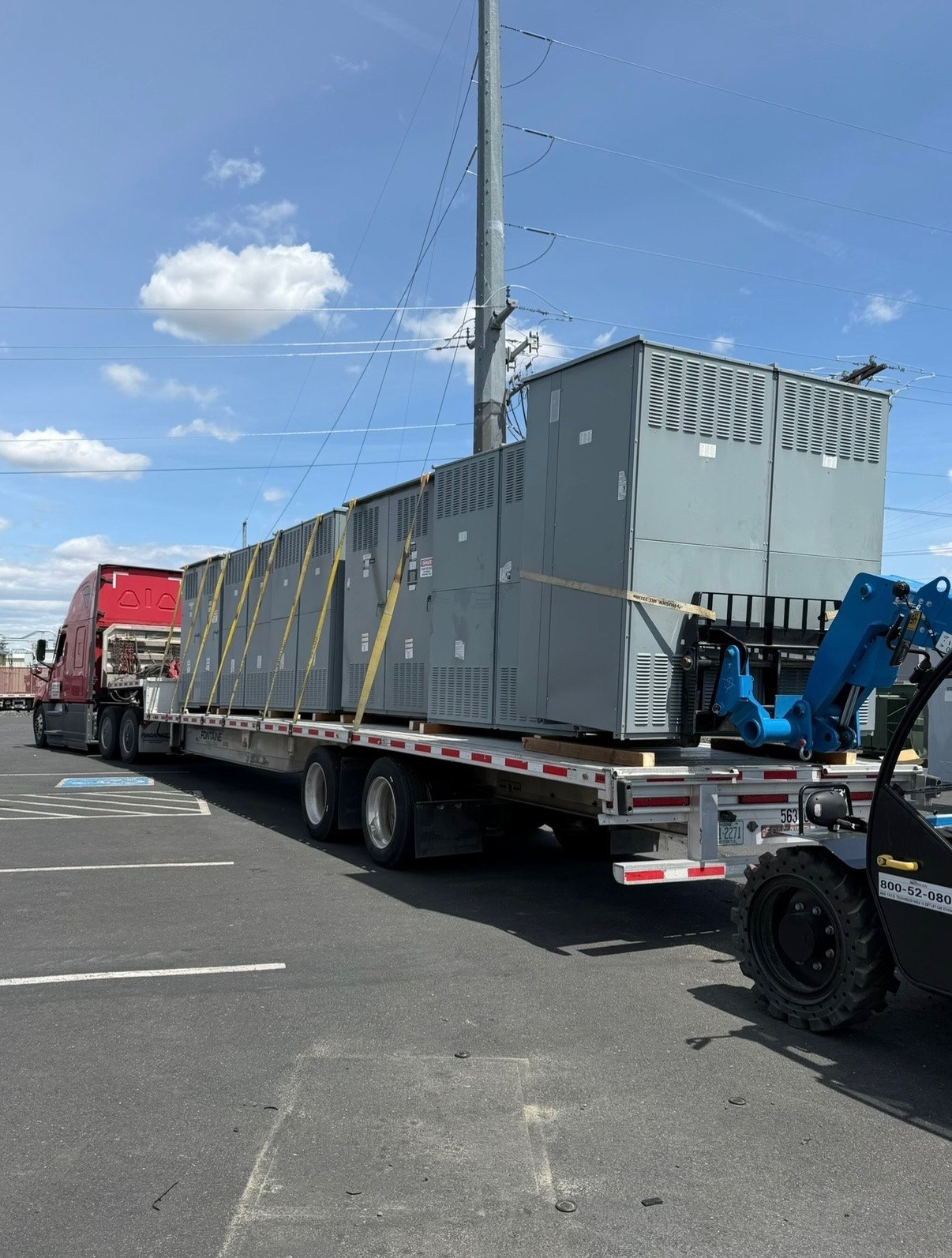
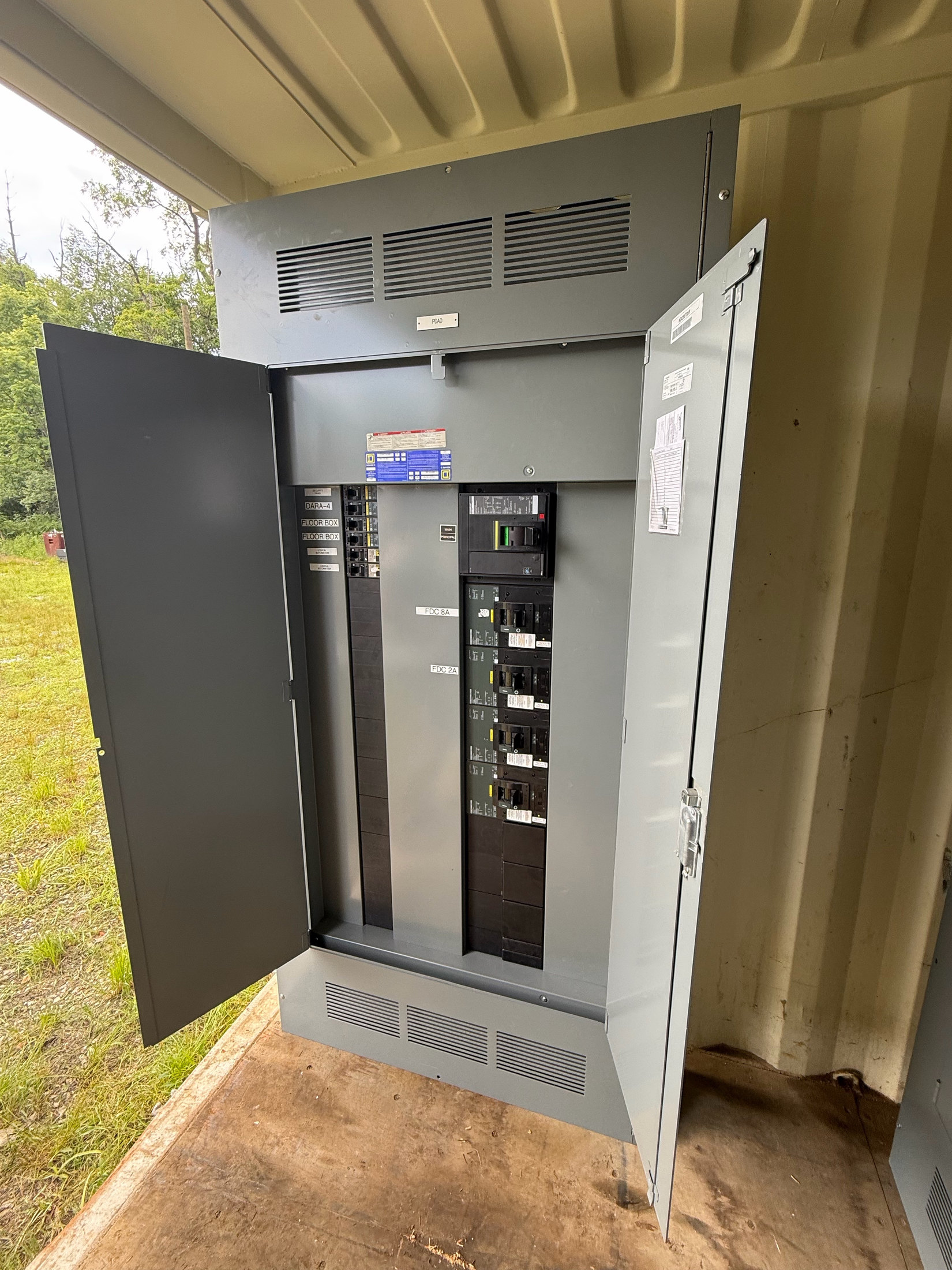
Drawout breaker switchgear can be offered as one complete assembly, as one or more removable breaker units, or as part of a larger surplus lot. We buy used, surplus, and decommissioned electrical distribution equipment in Pennsylvania. A cash offer depends on review of the equipment and agreement on the sale; not every item will be accepted. We buy switchgear from decommissioned data centers and shut-down power plants across all voltage classes.
For an initial discussion, describe what you understand to be included and what is absent. A complete assembly may include sections and breaker units, while a loose breaker unit is a separate item from the equipment it once served. If the inventory is incomplete or the distinction is uncertain, say so. Do not operate, open, disconnect, dismantle, or handle equipment to resolve questions; owners control access, and any technical evaluation belongs to qualified parties.
Separate an assembly from breaker units
An offer request is clearer when the inventory distinguishes the switchgear assembly from removable breaker units. State whether the equipment is being offered together, whether breaker units are included, and whether any parts are known to be missing. If a breaker is present but its relationship to the assembly is unknown, record that uncertainty rather than assuming it belongs with a particular section. This helps establish whether the opportunity is a single assembly, an individual item, or a package of related equipment.
Keep known facts separate from open questions. Existing inventory records may identify quantities, labels, or the equipment’s former location; those records can be shared as available. Photos and label information are optional, and should be provided only when already safely accessible. There is no need for a seller to test equipment or create new access to obtain information. Qualified parties handle technical assessment, while our review determines whether the described equipment is suitable for an offer.
Single item or mixed lot
A single-item sale can focus review on one assembly or one breaker unit, with included and absent components stated plainly. This approach is useful when the owner wants a distinct disposition for a particular item or has a well-defined inventory. The offer remains subject to review and agreement. An item’s description alone does not establish acceptance, condition, completeness, or value, so avoid presenting assumptions as confirmed details.
A mixed lot may combine drawout breaker switchgear with other distribution equipment or separate breaker units. Describe the lot at a useful level, separating known categories and quantities where records allow, and identify any components whose inclusion is unclear. A combined offer may depend on the group as a whole and on what is actually included; it need not be equivalent to separate item offers. The decision between a single item and a mixed lot is therefore a matter of accurately defining the sale scope, not assuming one format guarantees a better result.
Describe what is known
Useful sale information can include the general equipment type, the quantity offered, whether units are presented with an assembly or separately, and any known omissions. Note whether the equipment is used, surplus, or decommissioned when that is known. If a nameplate or label has already been safely recorded, its information may help identify the item, but no particular rating or compatibility should be inferred from a partial description. Unknown details should remain identified as unknown.
Condition descriptions should reflect records or observations already available to the owner, without requiring a new inspection or test. If condition, completeness, or the relationship between units cannot be confirmed, make that clear. Do not energize, test, open, disconnect, dismantle, or physically handle equipment for the purpose of preparing a sale. Qualified parties are responsible for technical evaluation and any work needed to assess or manage the equipment.
Review and buyer coordination
Once the proposed scope is clear, we review the available information and determine whether we can make a cash offer. Review may differ between a complete assembly, a loose breaker unit, and a mixed lot because the included equipment differs. Acceptance is subject to review, and any sale proceeds only by agreement on the equipment and terms. A request for consideration is not a commitment to purchase every item or every part of a lot.
If an offer is agreed, payment is made upfront before pickup. We coordinate and handle cranes, rigging, disconnects, loading, freight, and hauling as part of the buyer-side pickup arrangement. The owner controls site access, and qualified parties handle technical evaluation and any work requiring their expertise. Sellers do not need to test the equipment to obtain an offer. Pickup planning follows the agreed sale scope and coordination with the owner.
Define the sale scope before pickup
Before proceeding, make sure both sides are referring to the same assembly, breaker units, and any other items included in the agreement. Where an inventory contains separate units or a mixed lot, clarity about what is included helps prevent a mismatch between the reviewed equipment and the sale. If an item’s identity or inclusion is unresolved, flag it for discussion rather than treating it as part of the agreed scope without confirmation.
Share only information already available through records or safe access, and leave uncertain technical matters to qualified parties. We buy used, surplus, and decommissioned distribution equipment, with offers based on review and mutual agreement. When the scope is settled, payment is upfront before pickup, and we handle the buyer-side coordination for cranes, rigging, disconnects, loading, freight, and hauling.