Identify the Switchgear Before Discussing a Sale
Voltage and frequency are useful identifiers when you are considering a switchgear sale, but they describe different aspects of the equipment. Record each separately as shown on existing labels or inventory records. Keep the equipment’s stated voltage distinct from its stated frequency rather than combining the two into a single description. The purpose is to give a buyer clear information about what is present, not to decide whether the switchgear will suit a particular installation.
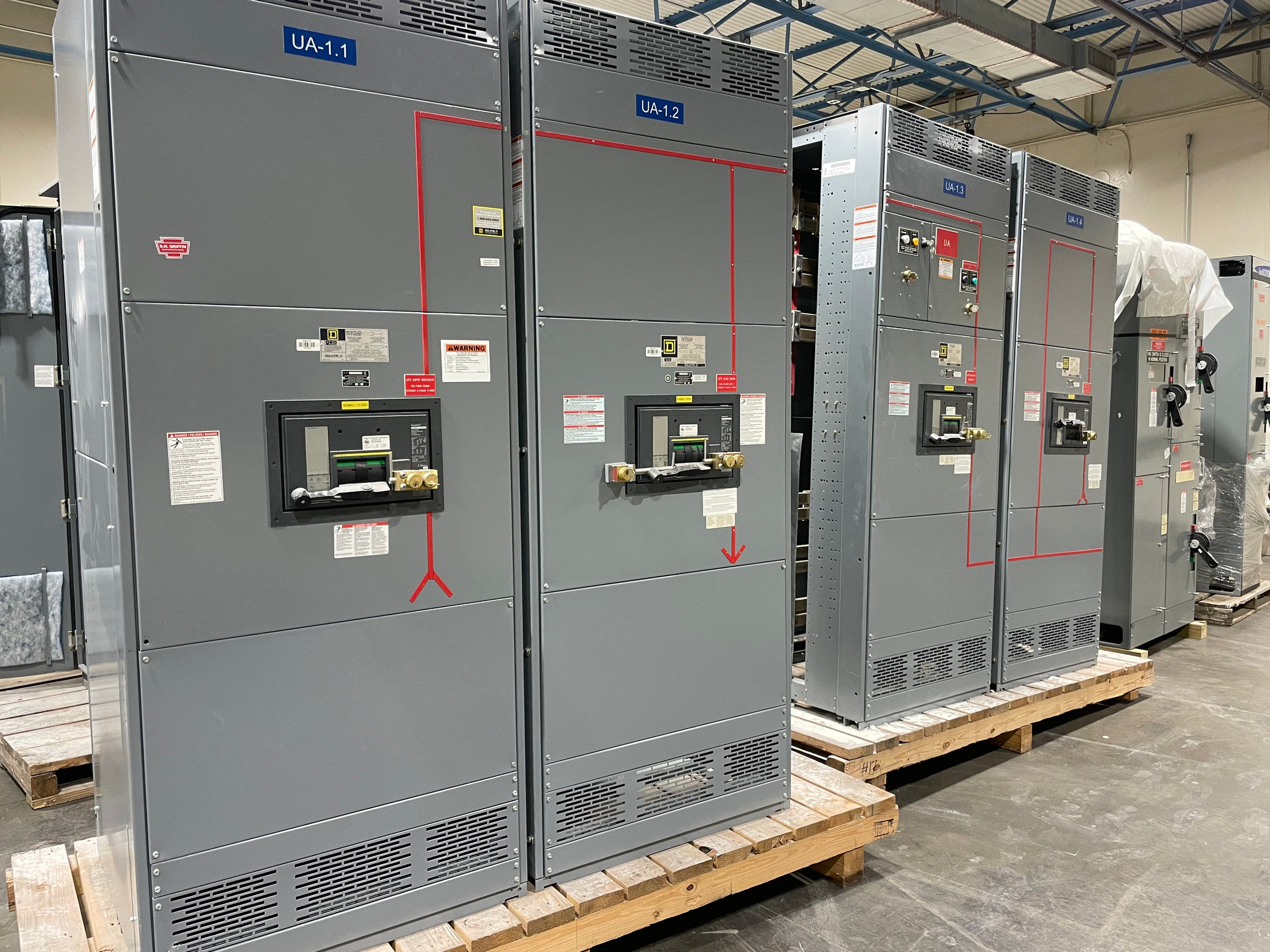
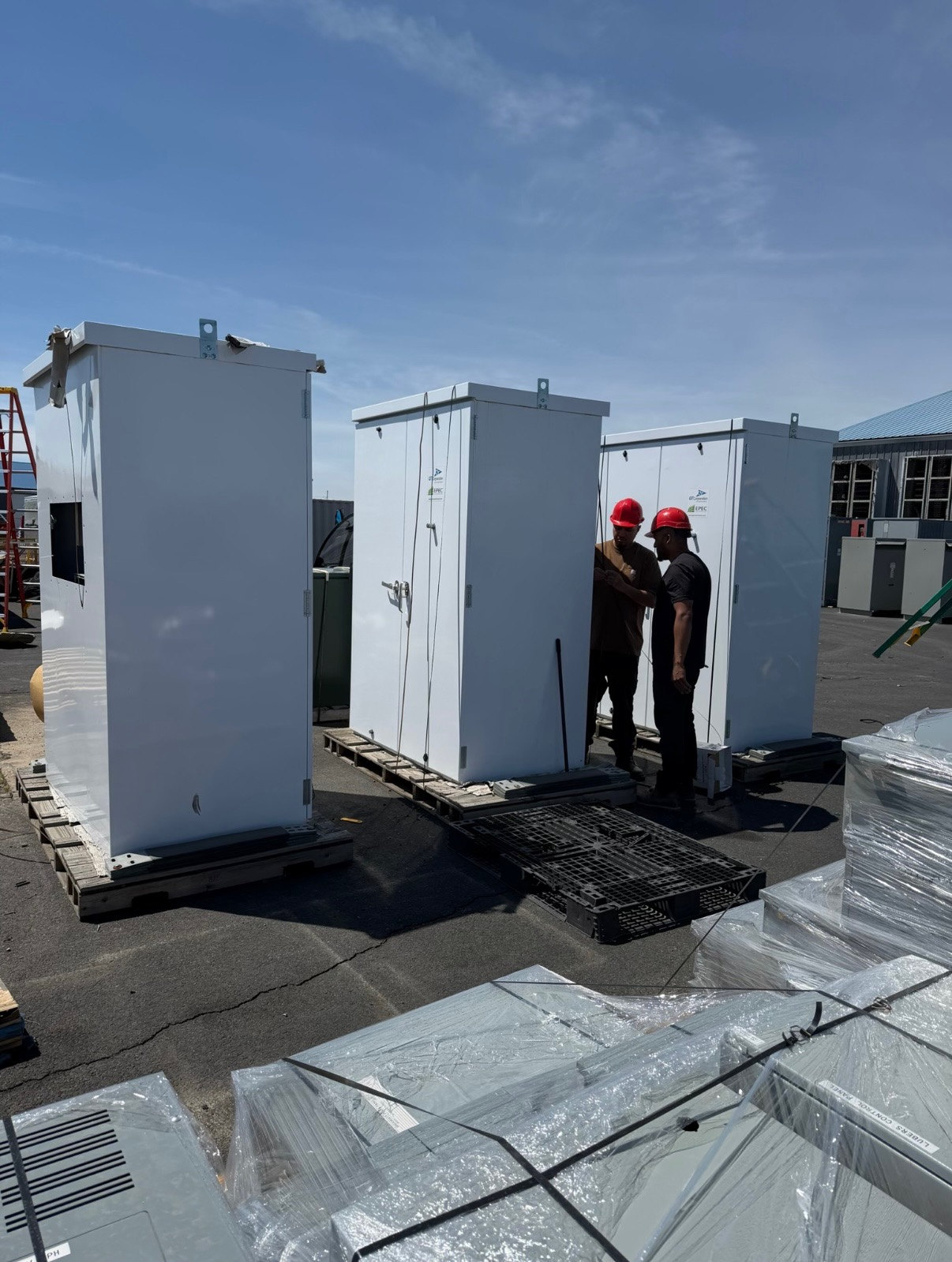
For a Pennsylvania equipment sale, the initial conversation can also cover the broader inventory: whether you have one item or a mixed lot, what equipment is included, and whether it came from a decommissioned data center, a shut-down power plant, or another facility. We buy used, surplus, and decommissioned switchgear across all voltage classes. Any purchase depends on the equipment and agreement between buyer and seller; an inventory description is a starting point for discussing the opportunity, not a promise of an offer for every item.
Keep Voltage and Frequency as Separate Records
When describing an item, preserve the voltage wording and frequency wording as separate entries. That makes it easier to compare the equipment description with the information already available for the rest of the inventory. If either value is unclear, note that it is unclear rather than supplying a guess. A buyer can then consider the available identification alongside the item’s general description and the scope of the proposed sale.
Neither entry, alone or combined with the other, establishes compatibility with a system or intended use. A match in recorded values does not settle the broader question, and a difference does not by itself tell a seller what should happen to the equipment. For this page’s sales discussion, the useful task is accurate identification: convey what the existing information says without turning a label entry into an engineering conclusion, suitability assessment, or claim about operation.
A Single Item Has a Narrower Scope
For a single switchgear item, keep the discussion centered on that item. Share its identifying description and the voltage and frequency recorded for it, if those details are already available. This gives the buyer a defined subject to review and helps avoid confusion with unrelated equipment at the same facility. If records use different wording for the same item, present the wording as recorded and explain which item each description refers to.
A one-item sale can be considered on its own merits, subject to the equipment and mutual agreement. A clear scope also makes it easier to distinguish the asset being discussed from items that are staying at the site. The buyer reviews the information provided and may make a cash offer for equipment considered for purchase. The sale is not established merely by supplying a voltage or frequency entry; the offer and terms must be agreed before pickup is arranged.
A Mixed Lot Needs Item-Level Distinctions
A mixed lot may include switchgear with different recorded voltage or frequency information, incomplete records, or equipment from more than one part of a facility. Describe the lot as a group, but retain distinctions between identifiable items. Avoid assigning one value to the whole lot when the available labels or records show that individual pieces differ. If an item’s information is unavailable, identify it as unknown rather than borrowing a value from another piece.
This item-level clarity lets the buyer consider the overall scope without treating every component as interchangeable. It also supports a practical conversation about whether the proposed sale covers the entire lot or only selected equipment. We buy switchgear across all voltage classes, including equipment from decommissioned data centers and shut-down power plants, but consideration depends on the equipment and agreement. A mixed inventory is reviewed as the inventory described; its size or range does not guarantee that every item will be purchased.
Keep Identification Separate from Compatibility
Recorded voltage and frequency help identify switchgear, but they do not establish how it relates to other equipment or a proposed installation. Do not use these entries to infer compatibility, suitability, or performance. In a sale discussion, they are descriptive information for the buyer’s review, alongside the identity and scope of the equipment. This distinction matters for both a single item and a mixed lot: an item’s label can describe it without resolving questions beyond identification.
If you are comparing the inventory with other rating information, keep the records separate and refer to the relevant rating topic for that specific subject. This page focuses on how to identify voltage and frequency when selling switchgear; it is not a substitute for other equipment-rating information. A buyer’s consideration of an item remains a purchasing decision based on the equipment and the terms both parties accept, rather than a conclusion drawn from a pair of recorded values.
Coordinate the Sale Around the Equipment
Once the proposed inventory is clear, discuss which equipment is included and what information is available for it. Existing labels and records can help with identification. Photos are optional and should be shared only when already safely accessible; a seller does not need to create new access or handle equipment to provide an initial description. If records distinguish several items, keep those descriptions tied to the correct equipment so the buyer can understand the scope being offered.
We make cash offers for equipment considered for purchase, with payment upfront before pickup. There is no seller testing requirement. After the parties agree on a sale, we handle cranes, rigging, disconnects, loading, freight, and hauling. The seller’s role in the initial discussion is to describe the equipment and the proposed sale scope; logistics are coordinated around the agreed transaction. Payment timing and pickup terms should be understood before the equipment is collected.
Discuss the Proposed Scope and Terms
Whether the inventory is one switchgear item or a mixed lot, the key is a clear description of what is being offered. Keep voltage and frequency distinct, preserve the information as recorded, and note where an item’s information is missing or uncertain. These details help frame the discussion without implying that the ratings prove compatibility or determine the purchase outcome. The buyer evaluates the equipment under consideration, and a purchase proceeds only when both parties agree on the equipment and terms.
For Pennsylvania sellers, this provides a straightforward way to begin a conversation about used, surplus, or decommissioned switchgear. The equipment may come from a data center closure, a power plant shutdown, or another source; the relevant scope is the equipment actually available for sale. We buy only, and not every item will necessarily be suitable for purchase. If an offer is made and accepted, payment is upfront before pickup, and we coordinate the listed removal and transport responsibilities as part of the agreed sale.