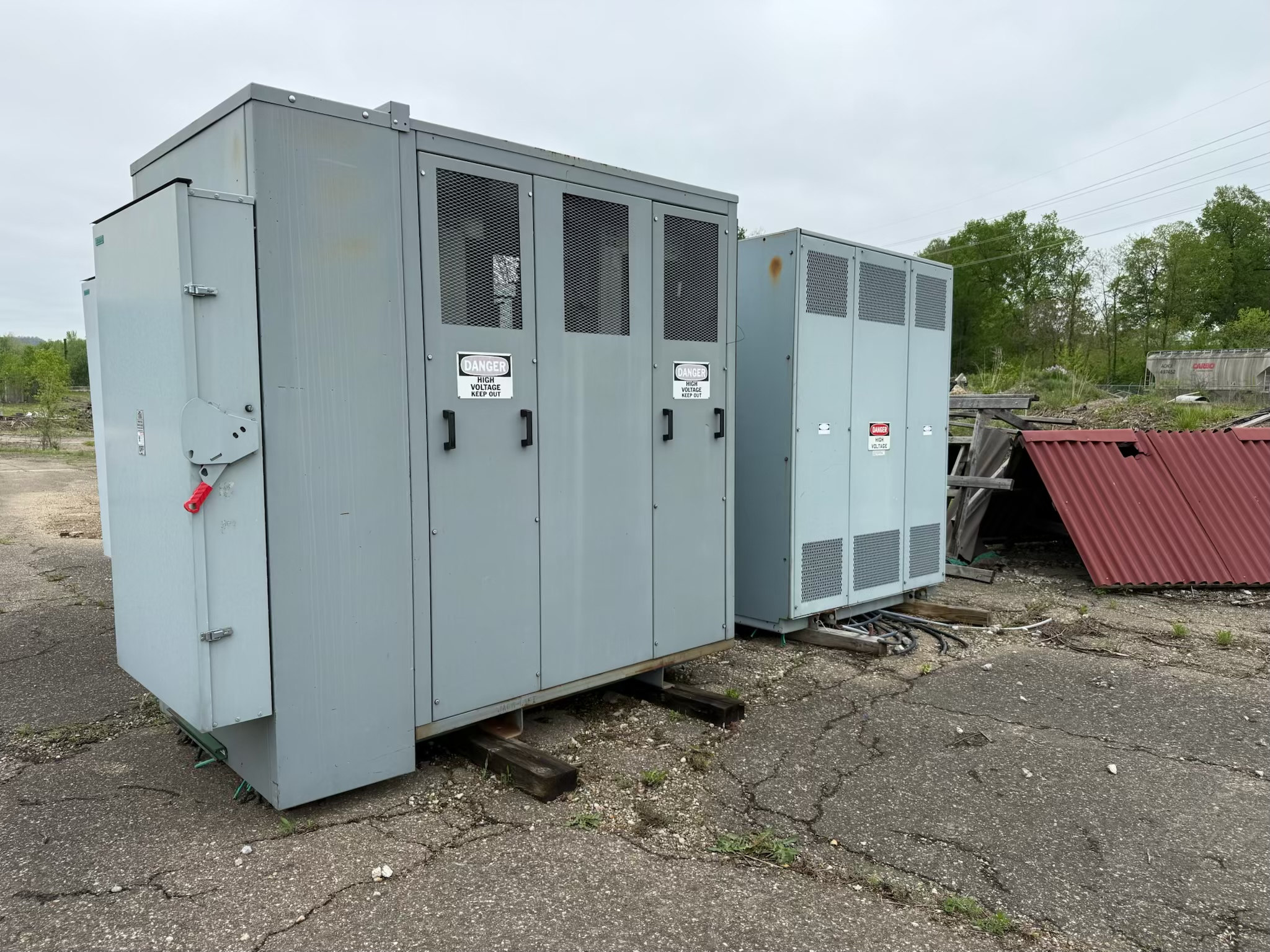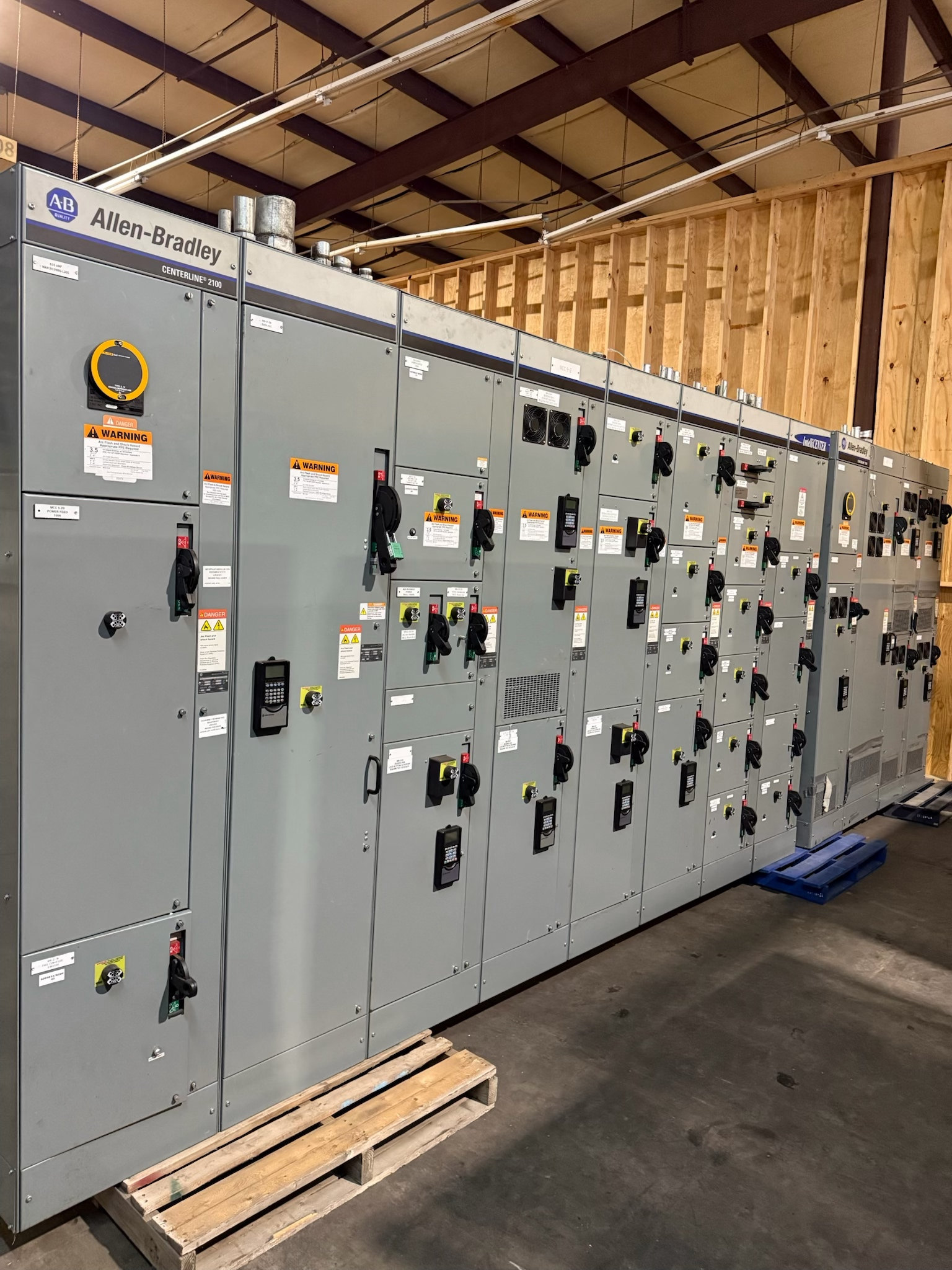
Decide what Siemens NXPLUS C equipment is for sale
Begin by separating the Siemens NXPLUS C switchgear intended for sale from equipment, components, records, or other property the organization plans to retain. This distinction matters when assemblies share a room, structure, operating area, or removal boundary. Identify the sale assets in terms your organization can recognize, and note any adjacent or associated property that is excluded. A buyer’s review can then address the proposed assets without treating nearby equipment as part of the transaction.
We buy used, surplus, and decommissioned electrical distribution equipment, including Siemens NXPLUS C switchgear, with purchase decisions depending on the equipment and the proposed sale. We make cash offers where the equipment and transaction are suitable. Payment is upfront before pickup. There is no seller testing requirement. Before discussing pickup, both parties need to agree on what is being sold, what remains with the owner, and the scope of buyer-coordinated removal and transportation.
Identify the product family from available records
Describe the equipment as Siemens NXPLUS C when that identification is supported by information already available to the owner. Existing asset records, project documents, labels visible from an accessible location, or photographs the owner already has may help identify the proposed assets. Product-family identification gives a buyer a useful starting point, but it does not establish the configuration, completeness, present condition, or suitability of any particular equipment for purchase.
Share only information your organization can access and provide without opening equipment or changing its condition. If an existing record is incomplete or labels are not safely visible, report that limitation rather than trying to fill in the missing details. The family name alone does not determine what is included in a sale. Clearly distinguish confirmed identification from information that remains uncertain, especially where multiple assets or retained property are located together.
Describe the proposed sale and known scope
A useful initial description covers the assets your organization proposes to sell, their general location within the property, and whether the sale concerns complete switchgear or a defined portion of a larger installation. Include known inventory descriptions and any records that help distinguish sale assets from retained items. State whether related documentation is available and whether it is included in the proposed transaction. These details support a focused buyer review without asking the seller to inspect or test equipment.
Also disclose known conditions that could affect the transaction or pickup scope, such as incomplete records, restricted access, or uncertainty about the boundary between sale property and retained property. Do not assume that a product-family designation confirms gas content, internal condition, operating history, configuration, or handling requirements. When a fact is not documented or known, mark it as unknown. Clear limits on the available information are more useful than an unsupported technical description.
Keep condition review within safe boundaries
No seller testing is required for our purchase review. Do not energize, open, dismantle, disconnect, or physically handle the Siemens NXPLUS C equipment for the purpose of preparing a sale. Owners control access to their site and equipment. If photographs or labels are already safely accessible, they may be shared at the owner’s discretion; obtaining them is optional. Information already held by the organization can be considered without creating a new inspection task for the seller.
A buyer evaluates the equipment based on the available description and the particulars of the proposed transaction. Identification, records, and seller-provided observations can document what is known, but they do not answer every question about condition or contents. In particular, do not infer gas content from the product-family name. Keep documented facts separate from assumptions, and identify unresolved questions plainly so the parties can determine whether the equipment and sale scope are suitable for an offer.
Address gas-related documentation and environmental review
For gas-insulated equipment, any existing records relevant to the proposed assets may be useful, including documents that identify equipment scope or describe known contents. Share such material only when it is already available to the owner and applicable to the assets being offered. The product-family identification by itself does not establish what gas is present, whether gas is present, or the condition or quantity of any contents. Treat those matters as unknown unless supported by relevant records.
Where the owner’s environmental or compliance process requires review, keep that review with the organization’s qualified personnel or advisers. A buyer’s purchase discussion is not a substitute for that review, and no gas-related conclusion should be drawn from the family name alone. Make clear which documentation accompanies the proposed sale, which information is missing, and whether any records concern equipment excluded from the transaction. This helps keep asset identification, environmental assessment, and purchase scope distinct.
Coordinate removal without seller handling
If we agree to purchase the equipment, we handle cranes, rigging, disconnects, loading, freight, and hauling as part of buyer-coordinated pickup. The seller does not need to perform testing or undertake physical handling to prepare the equipment for our review. Pickup planning follows agreement on the assets being sold, access controlled by the owner, and the scope and terms of the transaction. Neither the product-family label nor an initial description establishes that every item can be purchased or removed under the same arrangement.
Before pickup, confirm the sale boundary against the organization’s retained-property plans so that equipment outside the agreement is not included in the removal scope. Identify any access constraints or site coordination requirements known to the owner, without attempting to disconnect or move equipment. Responsibility for access remains with the owner, while our team coordinates the stated removal and transportation work for purchased equipment. The parties should resolve the agreed scope before scheduling pickup.
Review the offer and complete the transaction
After reviewing the available identification, scope, records, and transaction details, we may make a cash offer when the equipment is suitable for purchase. An offer is not automatic for every asset, and the purchase depends on the equipment and agreement between the parties. Review the offer against the exact items included, any property excluded, and the agreed pickup scope. If the proposed sale boundary changes or additional information materially changes the description, the parties should address that change before proceeding.
For an agreed purchase, payment is made upfront before pickup. The equipment is not picked up before payment. Confirm the included Siemens NXPLUS C assets, retained property, and coordination terms with the organization’s authorized decision-makers. Keep the records and descriptions consistent with that agreement, particularly where the available information does not establish configuration, condition, or gas content. This gives both sides a clear basis for the cash offer, payment, and buyer-managed pickup.