Compare a Cash Offer With Continued Storage
If you own Allen-Bradley CENTERLINE 2100 motor control center equipment in Pennsylvania, compare a possible cash offer with the practical cost and effort of keeping it in storage. Storage may make sense when you have a clear future use and can preserve the equipment and its records. A sale may be worth considering when the equipment is surplus, associated with a closed facility, or occupying space needed for another purpose. We buy used, surplus and decommissioned electrical distribution equipment; whether a particular CENTERLINE 2100 assembly is suitable for an offer depends on its condition, scope and the information available.
A useful first step is to describe what is actually included, rather than treating every cabinet or removable unit as an identical package. CENTERLINE 2100 identifies a product family, but individual inventories can vary. Sections, removable units, associated components, labels and documentation may differ across an assembly. We can review the information you provide and make a cash offer when the equipment and proposed scope are a fit. There is no obligation to choose a sale simply because you request a review, and no promise that every item will receive an offer.
Identify the CENTERLINE 2100 Equipment
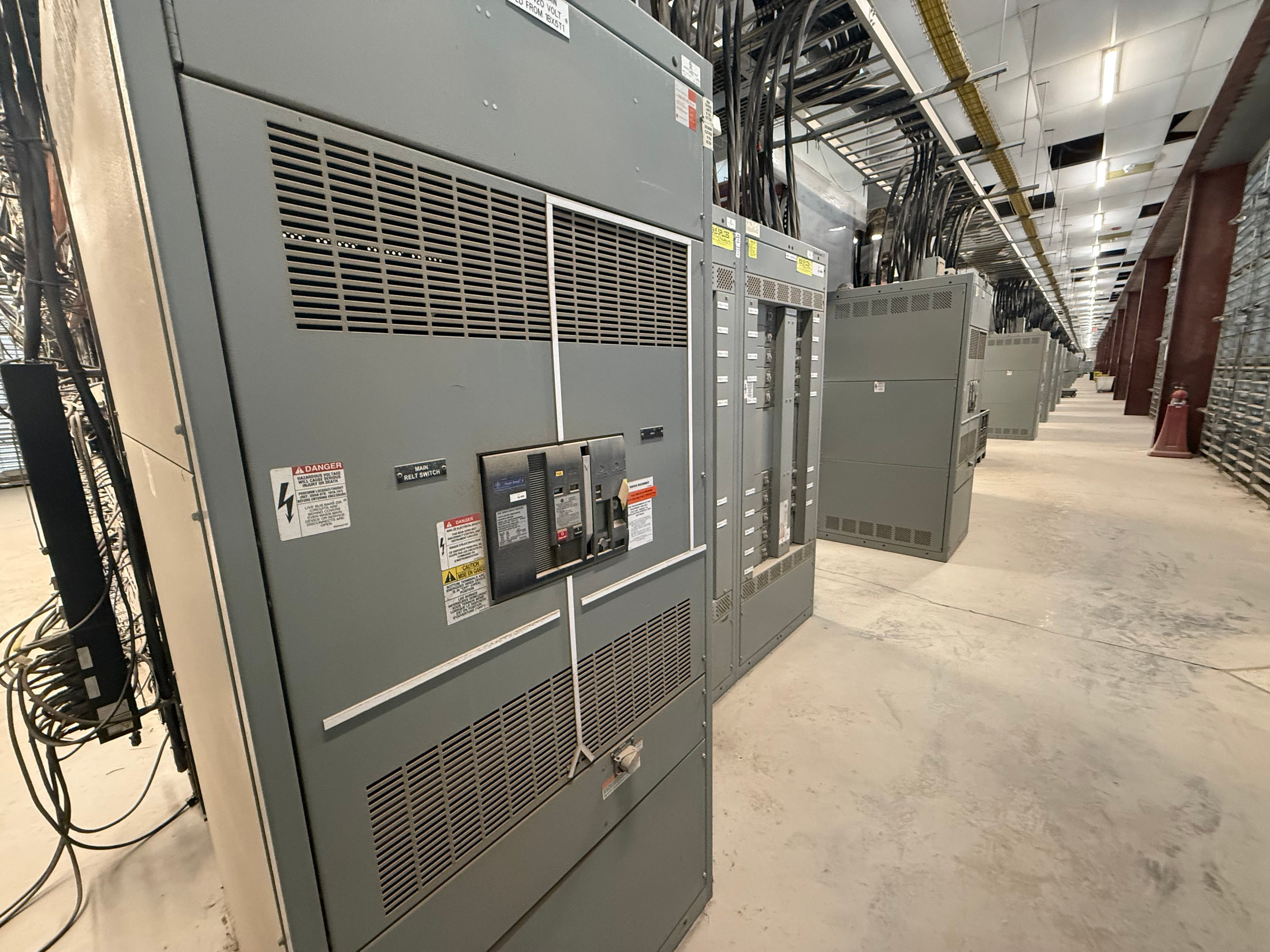
Start with the product-family identification shown on records or on labels that are already safely accessible. The manufacturer’s CENTERLINE 2100 product information can help distinguish this family from other motor control center equipment, but a family name alone does not establish the identity or completeness of a particular lineup. For a buyer review, useful details may include the number of sections, any recorded descriptions of removable units, and whether the inventory concerns a complete assembly or only selected portions.
Keep confirmed facts separate from assumptions. If paperwork identifies a section or unit, report that wording as recorded; if a label is unclear or an item is undocumented, mark it as unknown rather than inferring its contents or characteristics. Do not assume that all buckets match one another or that units from different sections have the same details. A concise, accurate description helps us understand the proposed sale without asking you to establish specifications that your records do not show.
Describe Sections and Removable Units Separately
A CENTERLINE 2100 inventory can be easier to review when it distinguishes the overall lineup from its parts. State how many sections are included, if known, and whether removable units are included, excluded or not yet accounted for. Where records distinguish individual units, preserve those distinctions instead of combining them under a single generic description. This makes the proposed scope clearer and helps prevent an assumption that every section or bucket is present, complete or alike.
Inventory completeness is a separate question from product-family identification. A lineup may be offered with all known sections, with selected sections, or with removable units described separately. Tell us what the sale would include and identify anything known to be outside the proposed scope. If the available records do not establish whether a section, unit or accessory is present, say that the information is unknown. We can consider the described scope; the offer, if any, depends on the equipment and the terms both parties agree to.
Use Labels, Records and Photos You Already Have
Documentation can support a review without requiring you to conduct testing or inspect equipment physically. Existing inventories, purchase or facility records, and descriptions written down during prior operations may help establish what you intend to sell. You may also share photos of overall equipment or labels only when those images are already safely accessible. Sharing images is optional; do not enter restricted areas, remove covers, move equipment or approach equipment to create a new record for us.
Labels and records may answer different questions, so preserve their source and limits. A label might identify a product family or a particular section, while an inventory may describe what was included in a past count. Neither should be stretched into claims it does not support. Note unclear, missing or conflicting information plainly. We do not require seller testing, and a seller should not energize, open, disconnect, dismantle or handle equipment to prepare a description. Owners control access and any information-gathering that is safe and authorized.
Clarify the Proposed Sale Scope
Before deciding whether to sell, define the equipment covered by the proposed transaction as precisely as your records allow. Identify whether the offer discussion concerns an entire CENTERLINE 2100 assembly or selected sections, and state how removable units are treated. If related items are included, describe them separately rather than assuming they are part of the motor control center. This scope helps both sides discuss the same equipment and identify unresolved questions before agreeing to a sale.
The review is based on the equipment described and the scope under discussion, not on an assumption that a named product family guarantees a purchase. Condition, completeness and available information matter, and we may not make an offer for every item or configuration. If the inventory changes or previously unknown details emerge, the proposed scope and offer may need to be reconsidered by agreement. You remain free to compare a cash offer with continued storage, another use for the equipment, or other plans for the space.
Payment and Pickup Coordination
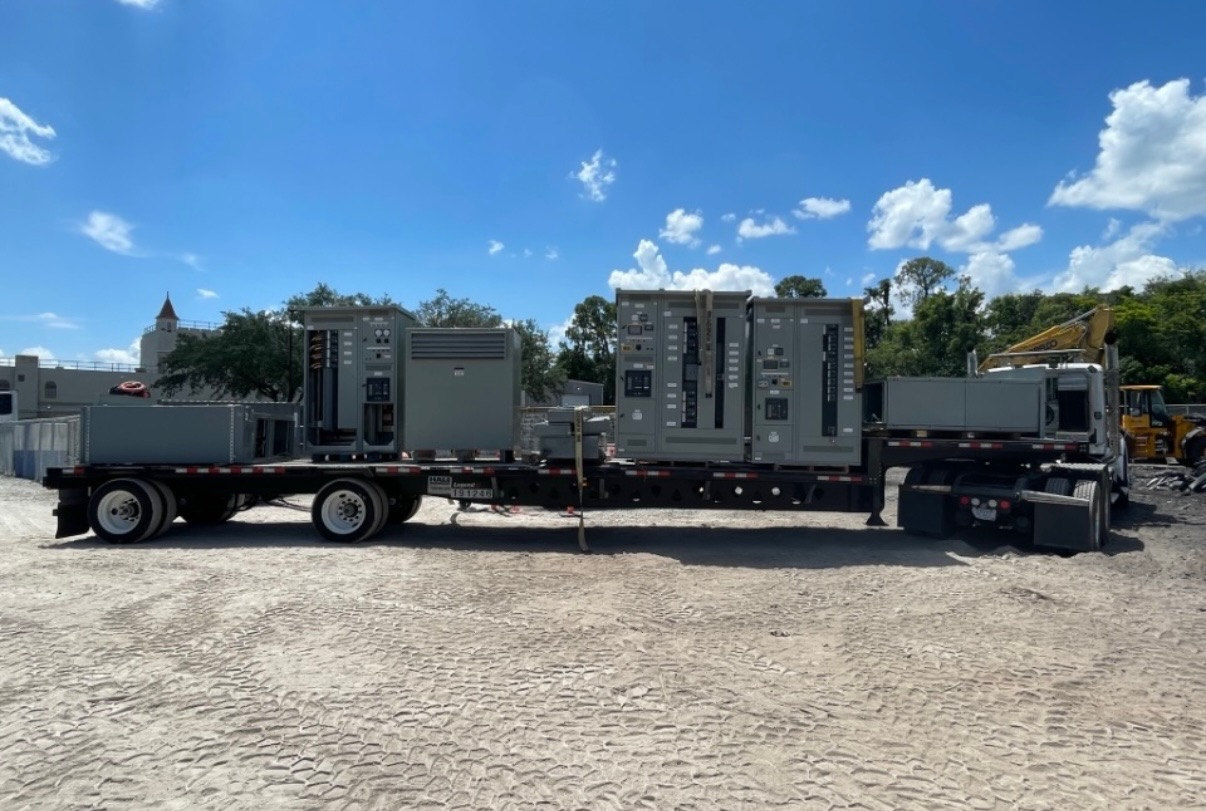
For equipment we agree to buy, we provide cash offers and payment upfront before pickup. Payment timing is established before the equipment is collected; the sale proceeds only when the parties agree on the equipment and transaction terms. You do not need to arrange seller testing for our review. We handle cranes, rigging, disconnects, loading, freight and hauling as part of pickup coordination, with the scope and access arrangements discussed for the specific equipment.
Owners control site access and authorization. Pickup planning therefore depends on agreed scope and coordination with the people responsible for the equipment and location. Do not disconnect, dismantle, move or prepare the equipment yourself for our collection. Our handling responsibilities do not change the need to agree on what is being sold, confirm payment before pickup, and coordinate access with the owner. A clear inventory description and known uncertainties can make those discussions more straightforward without asking you to perform physical work.
Decide Whether to Keep or Sell
To compare storage with a sale, consider the space the equipment occupies, the certainty of future use, the effort involved in retaining it and the information available to describe it. CENTERLINE 2100 family identification is a helpful starting point, but a section-by-section account and clear treatment of removable units provide a more meaningful basis for discussion. Separate documented facts from unknowns, especially where the inventory does not show whether all sections or buckets are alike or complete.
If selling appears preferable, share the scope you are prepared to offer and the records or safely accessible labels that support it. We can review the information and make a cash offer if the equipment is a fit; a purchase is not guaranteed and depends on the equipment and mutual agreement. If the offer and terms work for you, payment is made upfront before pickup, and we coordinate the cranes, rigging, disconnects, loading, freight and hauling. That gives you a concrete offer to weigh against continued storage without requiring you to test or handle the equipment.