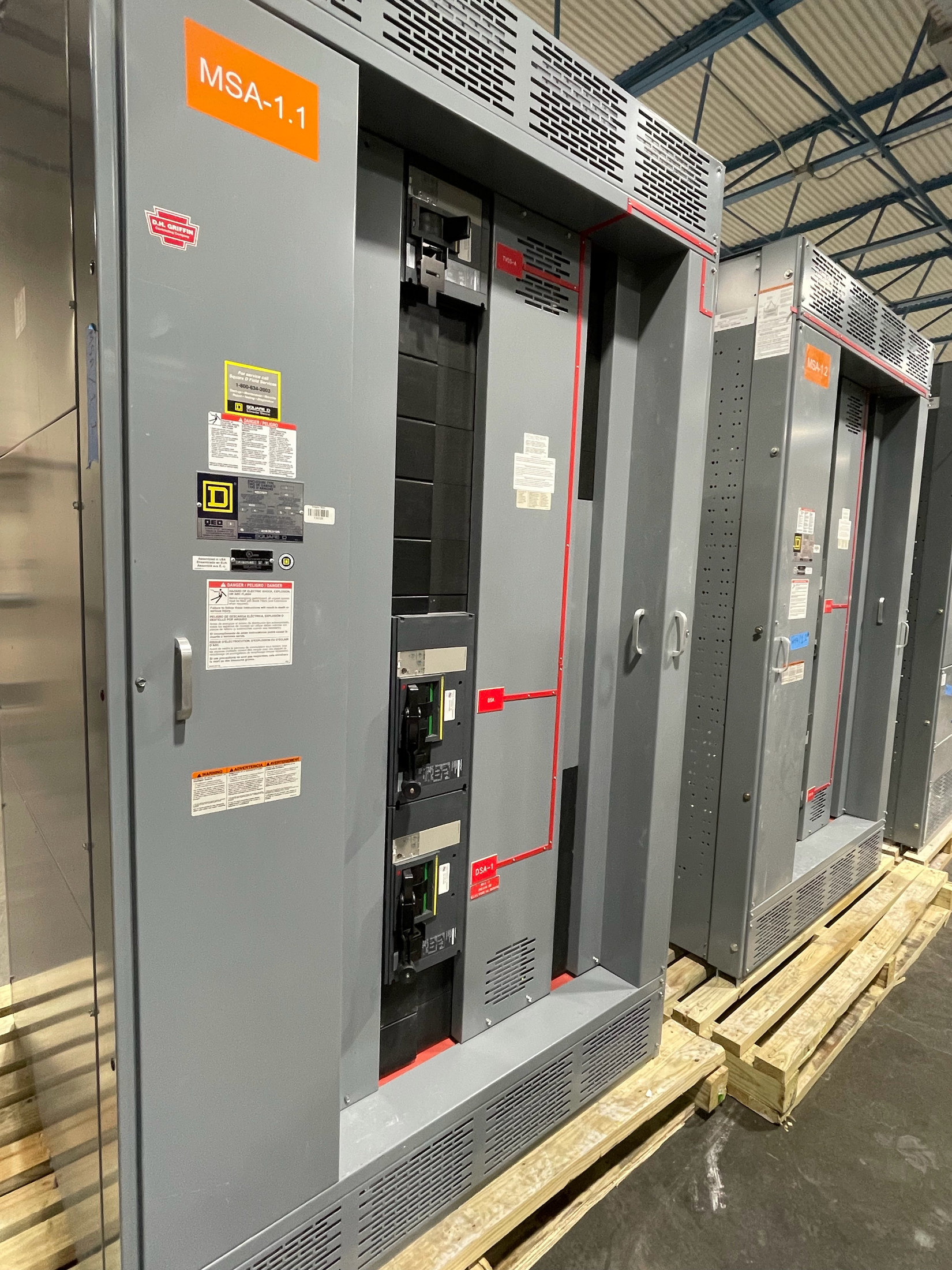
Selling Square D QED-6 Switchboards
We buy used, surplus and decommissioned Square D QED-6 switchboards in Pennsylvania. A QED-6 identification gives us a useful starting point, but it does not by itself establish the assembly’s configuration, condition, completeness or sale suitability. We assess the equipment information available for the specific switchboard and make a cash offer when its details and sale circumstances support a purchase.
Our interest is in the switchboard assembly, not simply a collection of parts bearing the same brand name. Let us know whether the equipment is offered as a complete lineup, as identified sections, or as loose devices and other components. This distinction helps us understand what is actually included and avoid treating an incomplete group of parts as a complete switchboard.
Identify the Assembly and Its Sections
Describe the QED-6 identification as it appears in owner records or on labels that are already safely accessible. If records identify the assembly by a project name, location within a facility, or other owner-assigned reference, that context can help keep the equipment information together. Do not infer a rating, configuration or capability from the product-family name alone; share only details that your records support.
For a lineup, provide the number of sections if it is known and explain how the sections are being offered. State whether the count refers to the full assembly, a portion of a lineup, or a count recorded in existing documents. If the records do not establish a complete section count, say that the count is unknown. A clear distinction between documented facts and unanswered questions gives us a more reliable basis for reviewing the equipment.
Record Main and Feeder Device Information
Where existing records identify main devices and feeder devices, describe them separately and indicate which section each record associates with. If the documentation lists device designations or quantities, those details can help us understand the lineup as recorded. Do not fill gaps by assuming a device’s function, rating or arrangement from its appearance or from the QED-6 name.
If records are incomplete, distinguish what is documented from what remains unknown. For example, you can report a known section count while noting that the records do not specify the main device, feeder-device count, or relationship between a device and a section. We do not require owners to test equipment to answer these questions. We review the information supplied and determine whether it supports an offer for the particular equipment.
Use Owner Records and Optional Photos
Useful records may include existing inventory descriptions, equipment schedules, prior asset documentation, or other owner-held material that identifies the assembly and its sections. Share what is available without trying to create technical information that the records do not contain. If two documents differ, identify the discrepancy rather than choosing a value without support. That lets us evaluate the known scope while recognizing where the description is incomplete.
Photos and label details are optional, and should be shared only when they are already safely accessible to the owner. There is no need to open equipment, approach an unsafe area, or make a special inspection for a sale inquiry. A record-based description is still useful when photographs are unavailable. The owner controls access to the equipment, and our review does not depend on you performing testing, energizing equipment, or physically handling the switchboard.
Separate Switchboards from Loose Components
Tell us whether the offered property is a QED-6 switchboard assembly or loose components removed from, stored with, or associated with one. A complete assembly, a group of identified sections, and a collection of separate devices are different sale scopes. Describe what is included, what is excluded, and whether any listed components are merely present nearby rather than part of the offered equipment.
Where loose components are included, identify them as loose and provide only the descriptions supported by labels or owner records. Do not combine their quantities with the assembly’s section count unless the records clearly do so. This separation matters when we review completeness and determine whether the equipment is of interest. We buy only when the specific equipment and agreed sale scope support a purchase; an inquiry does not guarantee an offer or acceptance.
Coordinate the Sale and Pickup
If we agree to buy the equipment, we make a cash offer and payment is made upfront before pickup. The purchase depends on the equipment and the scope agreed for the sale. We do not require seller testing as a condition of our review, and owners should not test, energize, open, disconnect, dismantle, or physically handle equipment to prepare it for us.
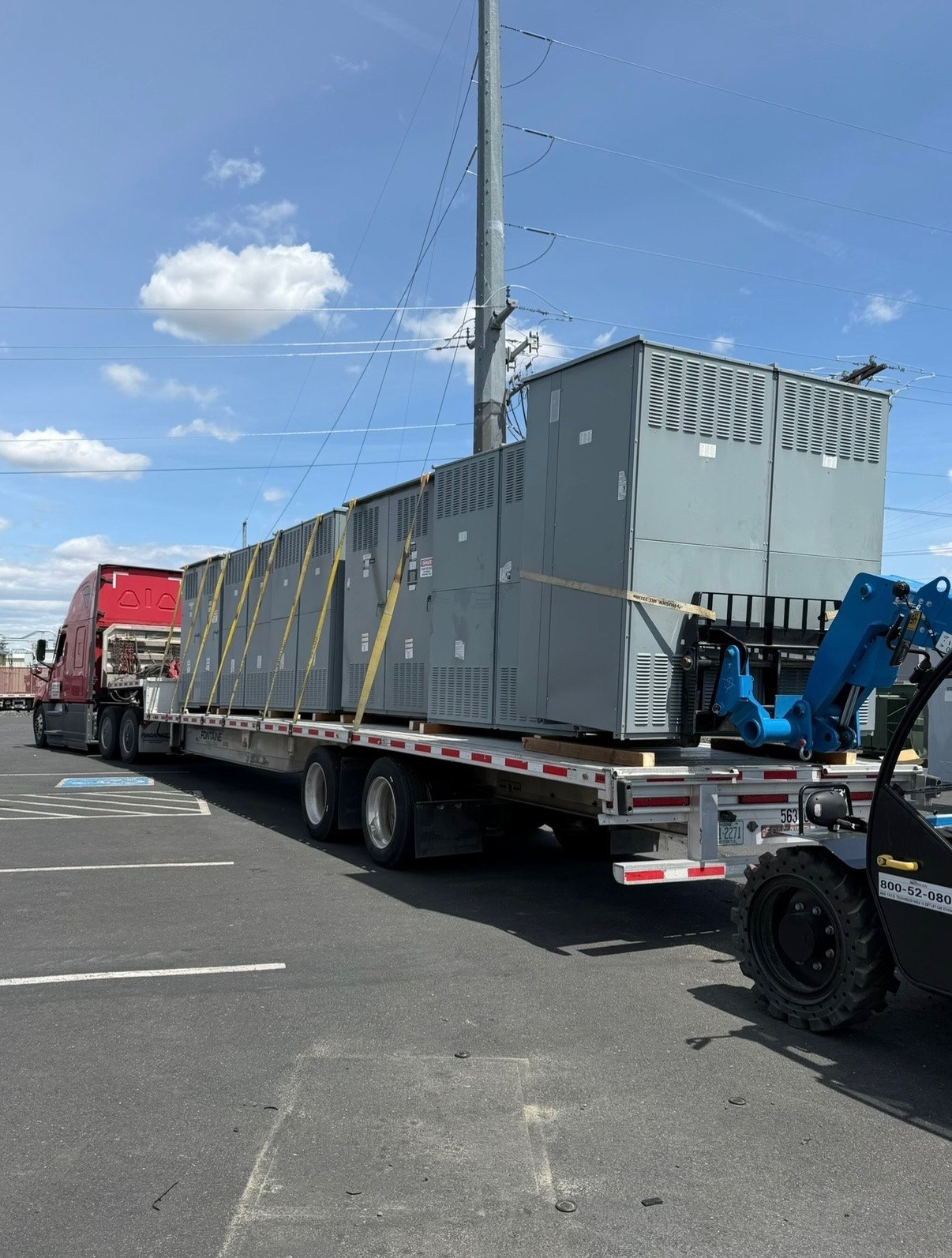
We handle the cranes, rigging, disconnects, loading, freight, and hauling for an agreed purchase. Pickup planning can be coordinated around the equipment included in the sale and the access arrangements controlled by the owner. Share known access constraints through the sale discussion, without undertaking work on the equipment. These terms apply to the agreed purchase; they are not a promise to buy every QED-6 lineup or component offered.
Request a Review for Pennsylvania Equipment
To begin, describe the equipment’s QED-6 identification, known assembly or section count, whether it is offered as a lineup or as loose components, and any documented distinction between main and feeder devices. Include what owner records establish and identify any material details that remain unknown. This focused description helps us review the actual sale scope rather than assume that every QED-6 assembly has the same contents.
We consider used, surplus and decommissioned electrical distribution equipment in Pennsylvania, including equipment from facilities being cleared or retired. Provide the information already available, and we can determine whether the specific switchboard is a fit for an offer. If we proceed, the terms are cash payment upfront before pickup, no seller testing, and our handling of cranes, rigging, disconnects, loading, freight, and hauling.