Are you authorized to sell the Eaton VacClad-W equipment?
Before discussing a VacClad-W sale, establish who owns the equipment and who may approve its disposition. If you are acting for an owner, identify your role and the person authorized to accept an offer. For equipment held at a facility, clarify who controls access and who can coordinate a pickup after a sale is agreed. This helps keep ownership approval, equipment scope, and site coordination aligned.
You can begin with the information already available to you; no special preparation or equipment inspection is required. Tell us whether the equipment is owned by one organization or whether the proposed sale involves assets controlled by different parties. If ownership or authority is still being confirmed, explain that at the outset. We can discuss the proposed scope based on what you know, while any purchase remains subject to agreement on the equipment and sale terms.
What VacClad-W equipment is included in your proposed sale?
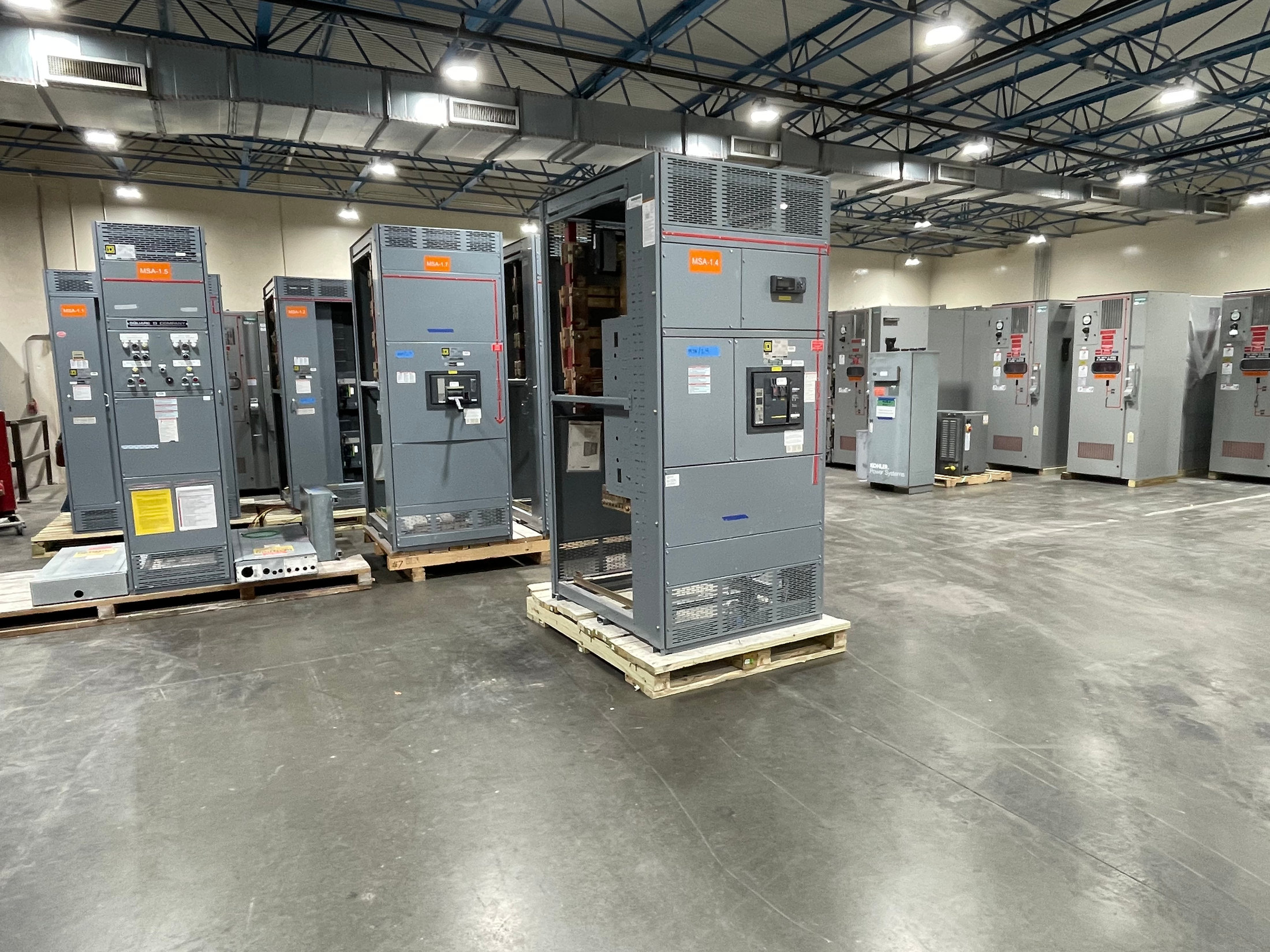
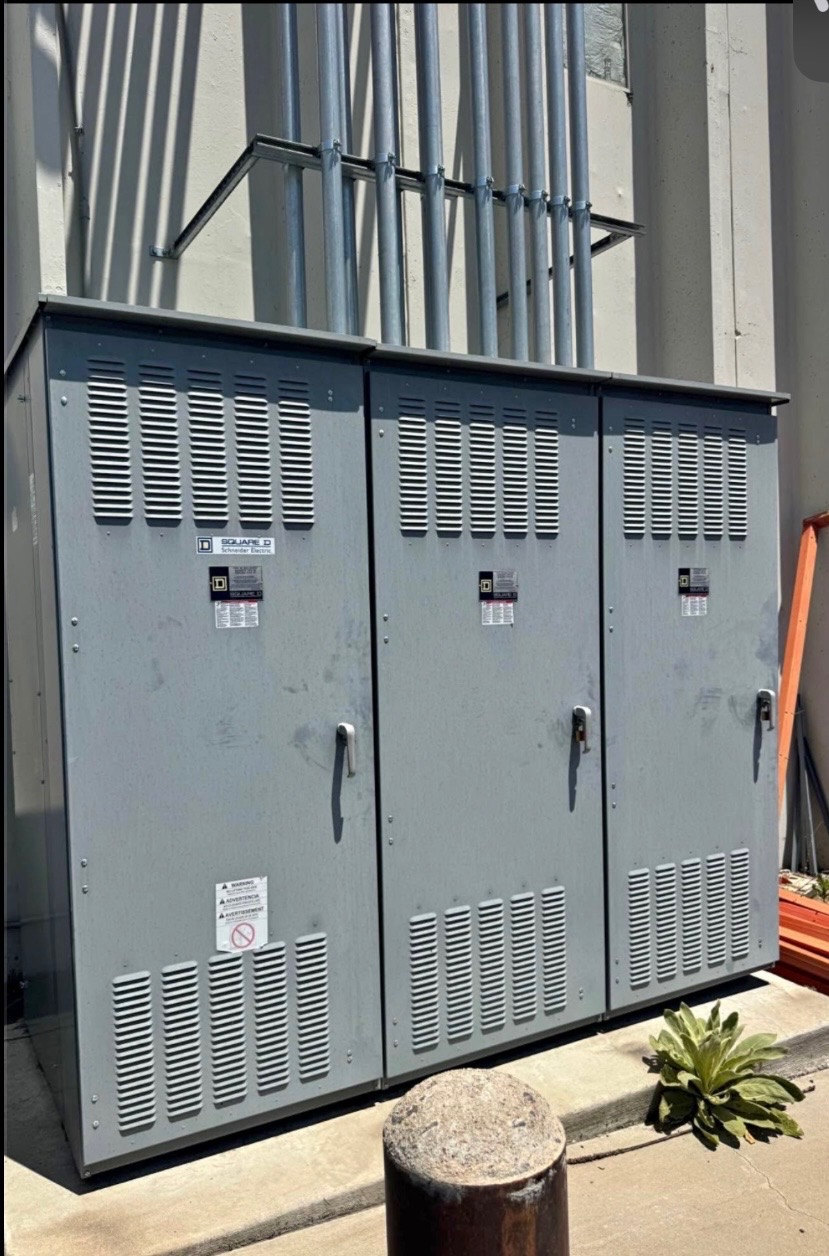
Describe the lineup as you understand it. Let us know whether you are offering a complete lineup, selected sections, individual breakers, or a combination. If the offer covers only part of a lineup, identify the included portion in ordinary terms and distinguish it from equipment that will remain with the owner. A clear boundary is especially useful when breakers or sections are being considered separately from the surrounding switchgear.
Eaton VacClad-W is the product-family name relevant to this page; the family name alone does not establish the identity or condition of every item being offered. Share any distinctions you already know, such as different groups of equipment or separately controlled assets. If you are unsure whether an item belongs in the sale, mark that uncertainty in your description rather than assuming it is included. The offer can address only the scope both parties agree to sell.
What labels or identifiers can you already document?
If nameplates, lineup labels, or breaker identifiers are already safely accessible, you may share their wording or provide photographs. Useful details can include the product-family designation, equipment or section identifiers, and individual breaker identifiers. Photos are optional. You do not need to access, open, move, or handle equipment to gather information; owners control site access, and any documentation should be limited to what is already safely available.
Keep identifiers tied to the item they describe. For a partial lineup, note which section or breaker an identifier refers to, if that relationship is already clear. If a label is unreadable, missing, or not available, say so. A label can document what it says, but it does not by itself establish ownership, completeness, condition, or the full sale scope. We can review the information provided and discuss what remains unknown before agreeing on a purchase.
What is known about condition, completeness, and history?
Share the condition information you already have, along with any known operating history, storage history, or reason the equipment is available. For a decommissioned facility, it can help to distinguish information based on existing records from details that are uncertain or unavailable. You do not need to arrange testing or prepare the equipment for evaluation. We make offers without seller testing, and we do not ask you to energize, open, disconnect, dismantle, or physically handle equipment for our review.
Completeness should be described separately from condition. For example, state whether the proposed scope is understood to include the full lineup or only identified portions, and note any known omissions or unresolved boundaries. If the available records do not establish which breakers belong with which sections, identify that as unknown. Clear distinctions let us consider the offered equipment without treating an unverified assumption as a confirmed detail.
What remains unknown before an offer can be considered?
A useful sale discussion separates documented facts from questions still awaiting confirmation. Unknowns may include the exact boundary of a partial lineup, whether a breaker is included, whether identifiers correspond to particular sections, or whether ownership approval covers every item. You can describe those open points directly. We will use the information available to discuss whether the proposed scope is something we can offer on; purchase is not assured for every item or configuration.
No compatibility conclusion follows simply from a VacClad-W name or from matching labels. If you do not know how an item relates to other equipment, report only what you can substantiate. Likewise, do not infer that a complete lineup is present from a partial set of records or photographs. The aim is a mutually understood description of the equipment being offered, with uncertainties visible before either party agrees to a sale.
How are pickup responsibilities coordinated?
Once the equipment and sale scope are agreed, we coordinate the removal with the owner or the owner’s authorized site contact. We handle cranes, rigging, disconnects, loading, freight, and hauling. The owner controls access and authorizes site coordination. You can explain any known access or scheduling constraints during the discussion so that pickup planning reflects the actual site and the agreed equipment scope.
Do not prepare equipment by disconnecting, dismantling, moving, or handling it. No seller testing is required. Any removal planning follows agreement on the sale and coordination with the owner. For a partial VacClad-W sale, the agreed boundaries matter to pickup planning: the items included must be distinguishable from equipment that is not being sold. If boundaries or access arrangements are not yet settled, identify them before pickup coordination proceeds.
How are offers and payment handled?
We make cash offers for used, surplus, and decommissioned electrical distribution equipment, including VacClad-W switchgear, when the equipment and proposed terms are suitable for an agreed purchase. An offer depends on the specific equipment and scope; providing a product-family name or inventory description does not guarantee that every item will receive an offer or be purchased. We can discuss a complete lineup, a partial lineup, or identified breakers based on the information available and what both parties are prepared to sell.
Payment is made upfront before pickup. The sale scope, payment, and pickup coordination should be understood before removal begins. When you contact us, describe your authority to sell, the equipment included, any available identifiers, and what remains unknown. That gives us a practical basis to consider the proposed VacClad-W sale and discuss whether we can reach agreement on the equipment and terms.