Start with the Vista inventory
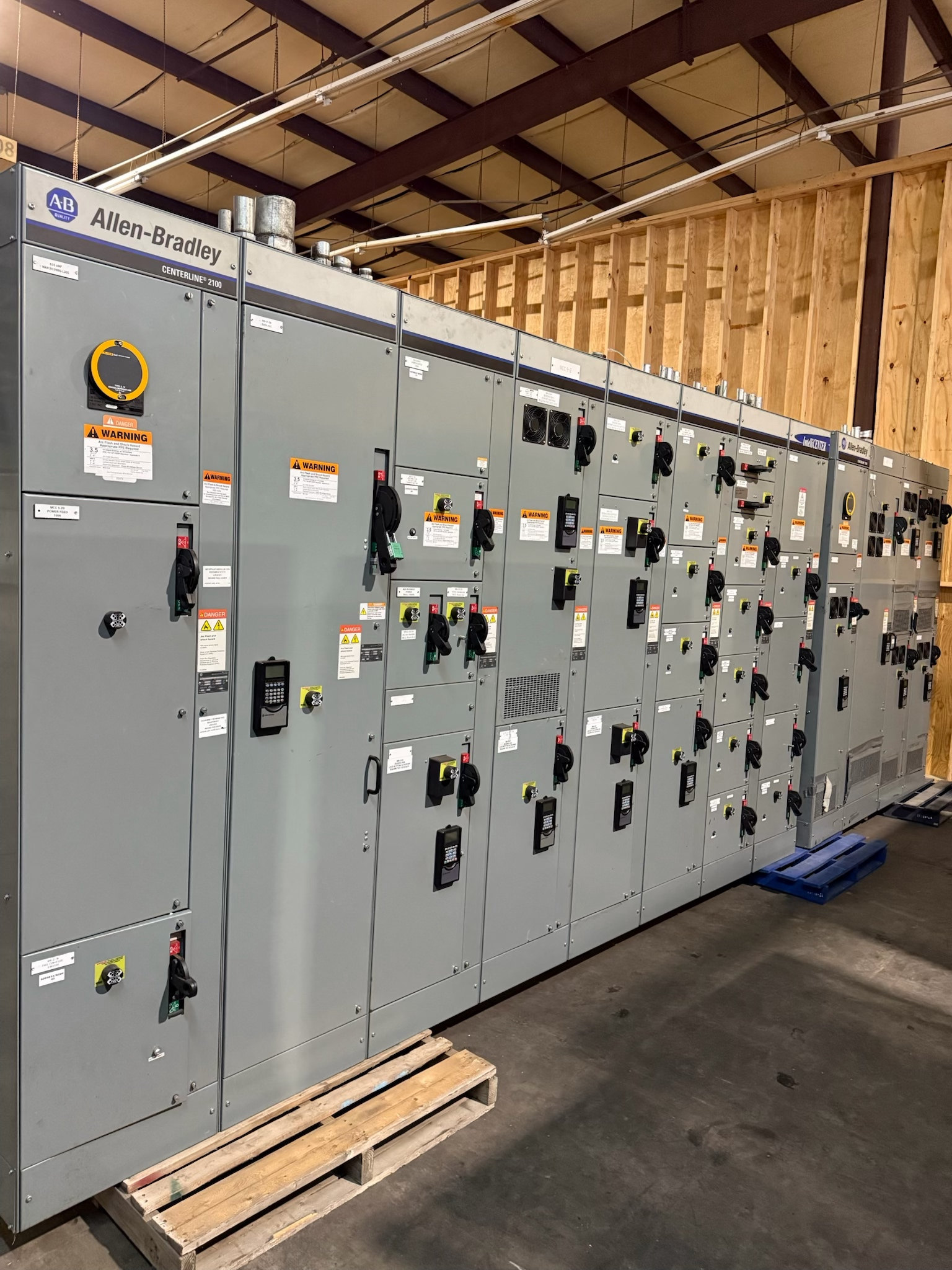
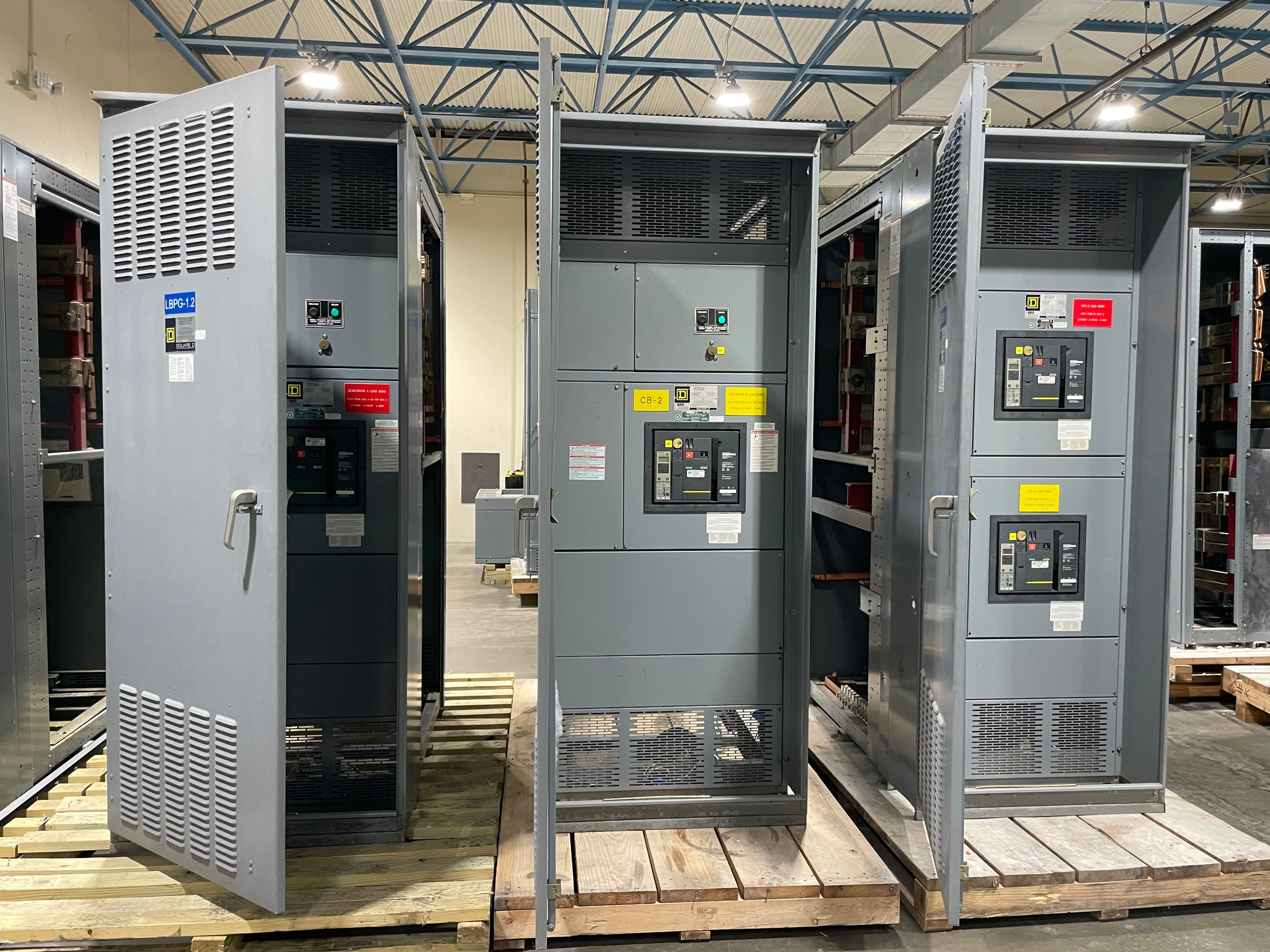
A sale begins with a clear account of what the owner intends to sell. For S&C Vista distribution switchgear, gather the equipment records already available and identify each assembly by the description used in those records. Include the recorded manufacturer and product-family name, equipment or asset identifiers, quantities, and any location or system labels that help distinguish one item from another. A Vista label can help identify the product family, but it does not by itself establish the assembly’s complete contents, condition, or sale scope.
Keep documented information separate from details that remain unknown. Records may identify an assembly without listing every component or establishing whether a component is still present. Note any uncertainty rather than filling gaps with assumptions. If several assemblies are included, distinguish them by existing asset references or record descriptions so both parties can discuss the same items. Photos or label details are optional and should be shared only when already safely accessible; no inspection or handling is needed to begin an inventory discussion.
Confirm ownership and authority to sell
Before discussing a sale, establish who owns the Vista equipment and who has authority to approve its sale. The owner may be a facility operator, asset holder, or another party identified in the relevant records. If an organization is acting through a representative, clarify who can confirm the inventory, agree to the sale terms, and authorize release of the equipment. This helps prevent confusion where equipment records, facility control, and ownership are handled by different parties.
Identify any limits on what may be included. An asset record may refer to equipment at a site without showing whether the listed assembly is owned outright, subject to another party’s rights, or included in a broader disposition. The seller should resolve those questions internally before agreeing to transfer equipment. We can consider a cash offer for identified equipment, but an offer is not automatic and depends on the items and the parties’ agreement.
Define the assembly and its scope
Describe the Vista assembly as it is represented in the available inventory, then state what the proposed sale includes. Distinguish the switchgear assembly from separately listed accessories or other equipment, if any. An assembly reference does not establish that other listed items are included, and documents may not identify how the items relate. Where records do not establish the relationship, identify that as unresolved so the sale discussion can address the intended scope accurately.
Use a written scope that names the included assemblies and clarifies any known exclusions. If the owner intends to offer only the documented assembly, say so; if other items are also part of the proposed sale, identify them from available records. If the documents do not make the boundary clear, pause to confirm it with the owner or responsible asset representative. A precise scope supports a meaningful offer and reduces the chance that either party relies on an unstated assumption about what is being sold.
Record what is known—and what is not
Useful documentation can include existing asset schedules, purchase or ownership records, equipment labels already visible without access or handling, and records that describe the assembly or its listed components. Share only information the owner can confirm. If a document gives a product-family designation but not a complete inventory, present it as identification rather than as proof of every configuration detail. If records differ, note the discrepancy and identify which information has not been reconciled.
Condition, completeness, and operating status should be described only to the extent supported by information already held by the seller. No seller testing is required for the sale discussion. Do not energize, open, dismantle, disconnect, or physically handle equipment to produce details. Owners retain control of site access, and any optional photos or labels should be limited to material already safely accessible. Clear distinctions between verified facts and unknowns allow the buyer to assess the proposed inventory without overstating what the documentation establishes.
Coordinate site access and removal
Once the proposed items and sale scope are understood, coordinate access with the owner or the party controlling the site. Confirm who can authorize entry, what equipment is included in the release, and how the pickup area will be made available. Site coordination should reflect the actual equipment and location rather than assumptions based on a product name. The seller remains in control of access and authorization; the equipment need not be opened or handled for an initial discussion.
We handle cranes, rigging, disconnects, loading, freight, and hauling as part of pickup coordination. The arrangements depend on the equipment and site circumstances and should be agreed between the parties before pickup. The seller does not need to organize those services independently, but should identify any relevant access constraints or site requirements already known. Keep the agreed inventory and release scope aligned so removal covers only equipment included in the sale.
Agree on payment before pickup
We make cash offers for equipment we are prepared to buy, with each offer dependent on the inventory and agreement between buyer and seller. A product-family identification alone does not establish that every assembly or component will receive an offer. The discussion should use the same item descriptions and scope that the owner is prepared to release, including the assembly and any separately identified items.
Payment is made upfront before pickup. Confirm the accepted items, agreed sale terms, payment, authorized release, and pickup coordination before the equipment is collected. This sequence gives both parties a clear basis for the transaction: the seller knows what is being sold and under what terms, while pickup is planned around the agreed scope. No testing by the seller is required as a condition of beginning the sale discussion.
Move from records to a defined sale
A practical first step is to provide the available inventory description, identify the owner and authorized representative, and explain which switchgear assemblies and any separately listed items are included in the proposed sale. Include known asset references and disclose gaps in the records plainly. If the ownership or scope is not yet settled, resolve that point before authorizing a transfer. These details are more useful than unsupported assumptions about contents or condition.
With ownership, inventory, and release scope established, we can discuss whether to make a cash offer and coordinate the agreed pickup. The sale proceeds only when the parties agree on the equipment and terms. Payment is upfront before pickup, and we handle cranes, rigging, disconnects, loading, freight, and hauling. Owners control access throughout coordination, and documentation can remain limited to records and details already safely available.