Selling Siemens GM-SG switchgear in Pennsylvania
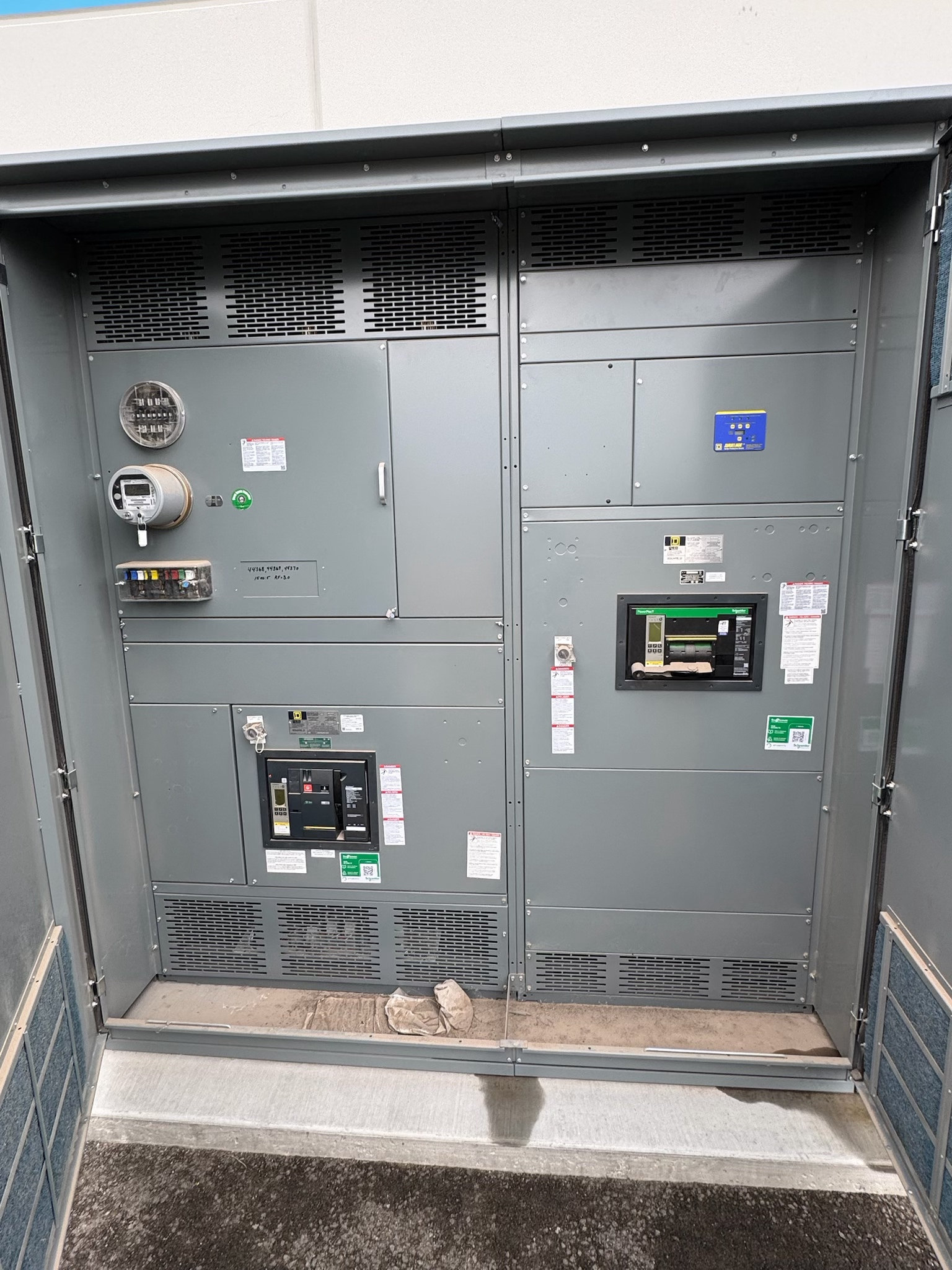
A Siemens GM-SG lineup can be part of a larger equipment sale when a facility is being renovated, decommissioned, or cleared for another use. For a Pennsylvania owner, the first useful step is to describe the actual assembly being offered rather than assume its configuration from the product-family name. We consider used, surplus, and decommissioned electrical distribution equipment for purchase, including switchgear from decommissioned data centers and shut-down power plants. Any offer depends on the equipment and the terms the parties agree to.
We buy equipment; we do not sell or install it. A GM-SG identification helps establish what family is being discussed, but it does not by itself establish the lineup’s installed options, condition, completeness, or suitability for a particular use. An initial review can distinguish recorded facts from unanswered questions, so the owner and buyer can discuss the specific equipment without treating a family designation as a complete inventory.
Identify the assembly from available records
Useful information may include the exact wording on assembly and breaker nameplates, the number of sections or breakers represented in existing records, and any visible identification already captured in facility documentation. If records use different descriptions, preserve each description and note where it came from instead of silently reconciling them. Photographs can help clarify labels or general arrangement when they are already safely accessible, but photos are optional and are not a reason to approach or open equipment.
The nameplate details that are available can be reported as written, including identifiers and stated values, without extrapolating beyond them. If a label is missing, unreadable, or not documented, mark that detail unknown. The same applies to dates, prior service history, completeness, and the identity of individual sections. We do not require the owner to test, energize, open, disconnect, dismantle, or physically handle equipment to prepare an inquiry.
Separate confirmed options from assumptions
GM-SG equipment may be described in records alongside optional components, but a product-family reference does not confirm that any particular option is installed in a specific lineup. List an option as present only when an existing record or safely accessible identification supports that statement. If the documentation mentions an option but does not establish whether it remains with the equipment, say that its current presence is unconfirmed. This distinction helps prevent a documented possibility from being mistaken for an included component.
A concise inventory can separate three categories: details supported by labels or records, items reported by the owner but not independently documented, and details that remain unknown. Examples include assembly identifiers, breaker identifiers, recorded option descriptions, available drawings, and whether accessories are included. This is a way to organize known information, not a request for new inspection. No compatibility conclusion should be inferred from shared branding, a family name, or a component description alone.
Illustrative sale situation
Consider a Pennsylvania facility planning to remove a GM-SG lineup as part of a broader closure. Its records identify the assembly family and preserve some breaker nameplate information, while the available paperwork mentions an optional component without confirming whether it is present today. The owner can present the family identification, the recorded breaker details, and the unresolved option as separate facts. That gives the buyer a clearer basis for reviewing the proposed equipment than a description that treats every recorded reference as verified inventory.
In that situation, the owner remains in control of access and decides whether any information is already safely available to share. There is no need to open a lineup, operate a breaker, perform a test, or create new documentation through physical handling. The buyer can discuss the represented equipment and coordinate next steps around the information provided. Whether an offer is possible, and its terms, depends on the actual equipment and mutual agreement; not every item will receive an offer.
Documentation and remaining unknowns
Existing inventory records, equipment schedules, drawings, and photographs may help describe a GM-SG sale, provided their limits are clear. Identify the record or source when practical, especially if an entry refers to an assembly, a breaker, or an option. If records conflict, preserve the discrepancy for discussion rather than choosing one version without support. A missing document should be described as unavailable, not treated as proof that a feature or component is absent.
Important unknowns may include the exact installed configuration, whether listed options remain with the lineup, the completeness of the equipment, and its present condition. These points should stay unknown unless the owner already has reliable information. We do not ask sellers to test equipment or verify details through energized or invasive work. The purpose of documentation is to make the proposed sale understandable, not to supply a technical assessment or a promise of purchase.
Buyer coordination and removal
If the equipment is under consideration, buyer and seller can agree on the sale scope, access arrangements, and pickup coordination before removal. The owner controls access to the site and equipment. We handle cranes, rigging, disconnects, loading, freight, and hauling as part of the removal coordination, subject to the agreed scope. Sellers do not need to undertake physical handling or arrange those activities themselves as a condition of discussing a sale.
We make cash offers when the equipment and proposed terms support one. Payment is made upfront before pickup, with the specific sale proceeding only by agreement. These terms are intended to make the sequence clear: establish what is being offered, agree on the transaction, receive payment before pickup, and coordinate removal. An initial conversation or record review is not a commitment to buy, and equipment-specific details determine whether the parties can reach an agreement.
Discuss a GM-SG equipment sale
When describing a Siemens GM-SG lineup, lead with what the existing records actually identify: the assembly wording, breaker nameplate information that is already available, and any optional components confirmed by documentation. Keep uncertain items separate, including options whose current presence is not established. This product-family focus can make the discussion more precise while avoiding unsupported assumptions about ratings, configuration, condition, or compatibility.
A Pennsylvania owner can bring forward used, surplus, or decommissioned GM-SG equipment for buyer review without performing seller testing or opening the equipment. If the equipment fits a potential purchase, the parties can agree on scope and terms, including upfront payment before pickup and coordinated removal. Any purchase remains dependent on the equipment and mutual agreement; a family identification alone does not guarantee an offer.