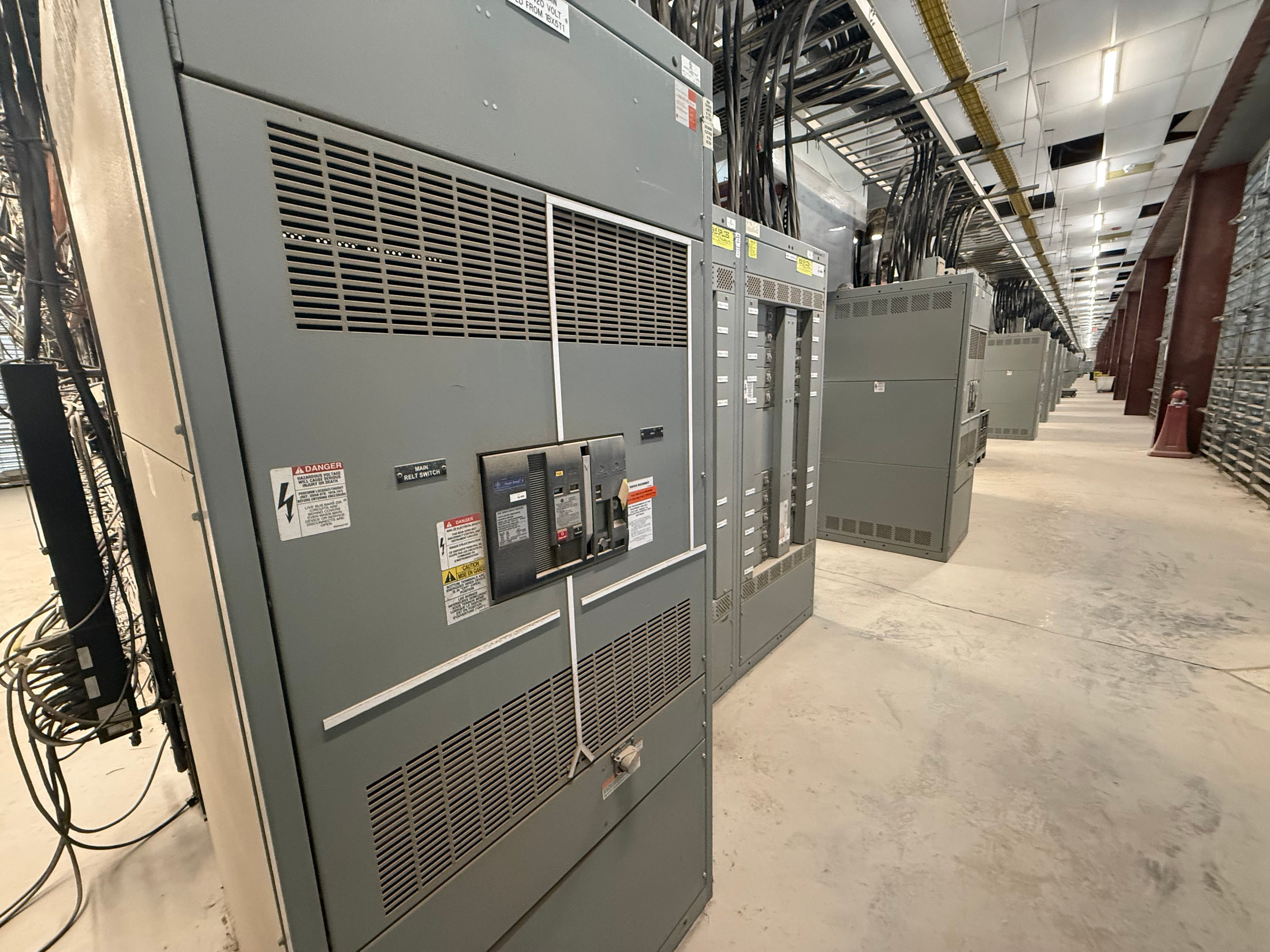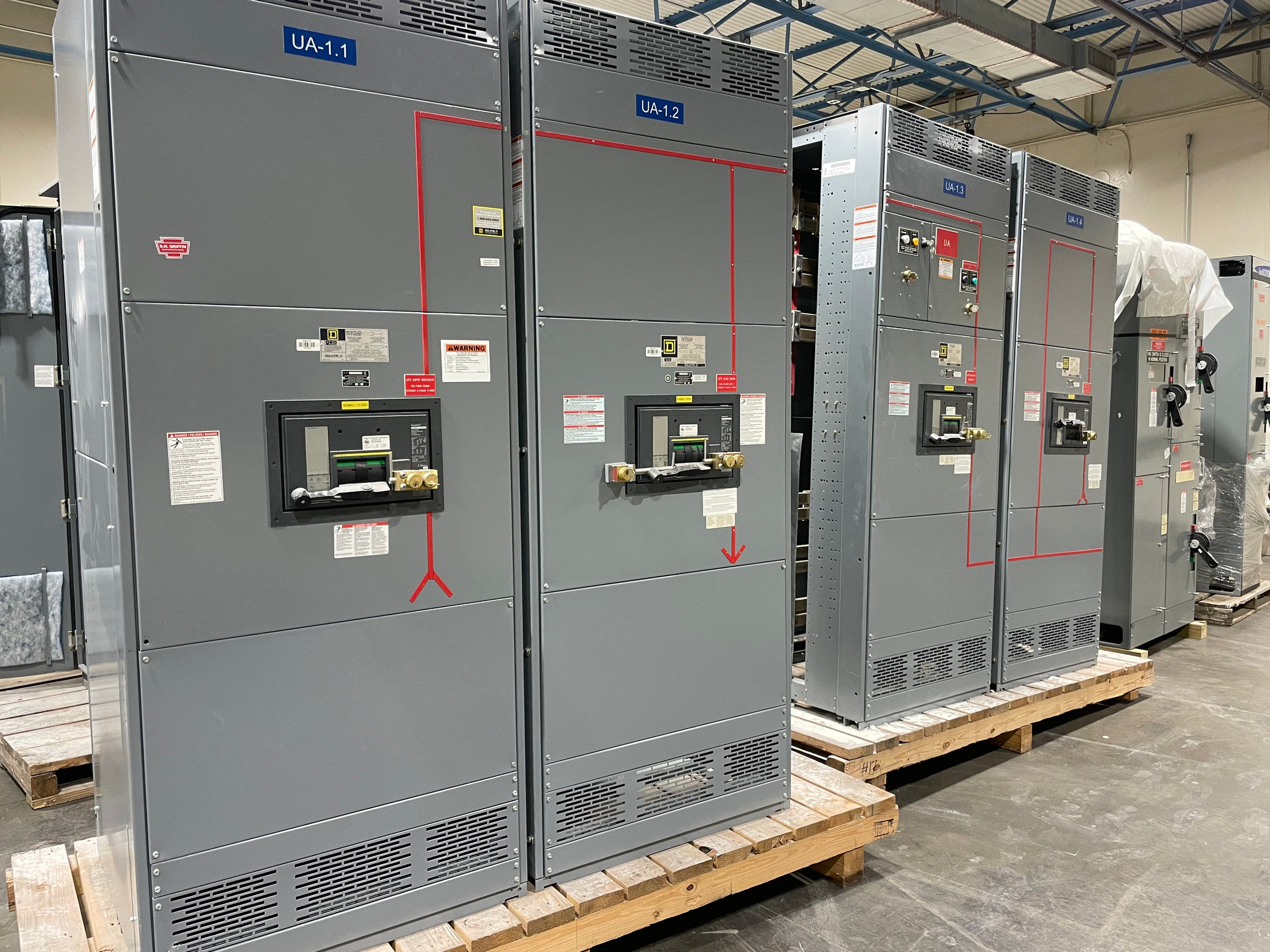
Decide whether to sell one ITE item or a mixed lot
If you have one ITE breaker or a single piece of legacy switchgear, start by identifying that item as clearly as the information already available allows. A single-item sale can keep the discussion focused on its manufacturer markings, equipment type, apparent condition, and any documents associated with it. You do not need to assemble a full equipment history before asking us to review it. We buy used, surplus, and decommissioned electrical distribution equipment, and may make a cash offer when the item and sale terms fit our buying needs.
For a mixed lot, decide which equipment belongs in the proposed sale and which items are not included. The lot may contain ITE-marked equipment alongside other manufacturers, separate breakers, or incomplete records. Describe the group without assuming that every item has the same origin, ratings, or condition. We review the equipment and scope as offered; a cash offer is not assured for every item. Whether you are considering one ITE item or a larger group, payment is upfront before pickup, and we coordinate the physical removal and transportation.
Identify the legacy equipment from available records
ITE is a historical manufacturer name that may appear on older switchgear and breakers. ABB’s corporate heritage information discusses ITE as a heritage brand, but that historical reference does not establish the maker, condition, specifications, ownership, or sale value of a particular item. Treat the name on your equipment as an identification clue, not as proof that a specific product belongs to a particular later brand or product family.
For a useful initial description, record what you can already read or confirm: the wording used for the manufacturer, the equipment type, any visible catalog or serial identifiers, and the number of items being considered. Keep transcriptions faithful to the label, including uncertain or incomplete text. If an old invoice, inventory record, drawing, or service document names the equipment, note the document’s date and what it actually identifies. Do not infer missing details from a similar-looking item or from the ITE name alone.
Separate confirmed details from unknowns
A sale discussion is clearer when documented facts are distinguished from estimates and unanswered questions. You might know that a record identifies an item as an ITE breaker, while its exact model, configuration, rating, or present operating condition remains unknown. An older document may describe equipment when it was installed or recorded, not its current state. We can consider the information you provide, but a label or historical document by itself does not establish every specification or current condition.
For a single item, keep the description tied to that item rather than using details from neighboring equipment. In a mixed lot, indicate which labels or documents correspond to which pieces when that connection is known; otherwise, say that the association is uncertain. This distinction helps avoid treating an unidentified breaker as part of an ITE group or applying one item’s records to an entire lineup. Missing records do not need to be filled with guesses: report what is known and leave the rest open for discussion.
Use labels and photographs only when readily accessible
A readable label can help distinguish ITE-marked legacy equipment from equipment whose manufacturer or identity is unclear. If label text or photographs are already safely accessible, you may share them to support an initial review. Useful material can include a view that shows the manufacturer wording and any legible identifiers, along with an overall view that helps indicate what kind of item is being discussed. Photos are optional; a written description or existing inventory information may be enough to begin.
Owners control access to their equipment. Do not move, open, energize, disconnect, dismantle, or otherwise handle equipment to obtain a photograph, label reading, or additional information. If markings cannot be seen without physical access or intervention, simply describe that limitation. The review can proceed from information that is already available, with uncertainties noted rather than resolved through seller testing or equipment handling.
Compare the scope of a single-item and mixed-lot sale
With one ITE legacy breaker or switchgear item, the proposed scope can be specific: identify the item being offered, the information that supports its identification, and any known limitations in its records or condition. This can make it easier to discuss whether that individual item fits our buying needs. It still does not mean that a purchase or a particular offer is guaranteed; any offer depends on the equipment and agreement between the parties.
A mixed lot requires a broader scope description. State the approximate count if known, the kinds of equipment included, whether ITE markings are present on some or all items, and what else is included in the proposed sale. Separate clearly identified equipment from pieces with unknown manufacturer details. If the lot’s boundaries are uncertain, clarify which items the owner is proposing to sell before arranging a pickup. A group offer, if made, applies to the agreed sale scope, not automatically to other equipment at the site.
Plan buyer coordination and removal
We buy only; we are not offering a resale listing or a seller-run inspection process. No seller testing is required for our review. If we make an offer and both sides agree on the sale, payment is upfront before pickup. Confirm the equipment and agreed scope before pickup so the transaction and removal plan refer to the same items. The sale remains subject to agreement and the equipment offered.
We handle cranes, rigging, disconnects, loading, freight, and hauling as part of coordinating pickup. The owner controls access to the site and the equipment; removal work is handled through buyer coordination rather than asking the seller to perform equipment handling for evaluation. Timing and logistics are arranged with the agreed sale scope and access conditions. You can begin with the records and descriptions already in hand, whether you are offering one ITE item or a mixed lot, and discuss the equipment directly with us.