Decide What the Factory Closeout Should Accomplish
When production is ending at a York County facility, decide first whether the priority is a single coordinated sale, separate transactions for motor control centers (MCCs) and switchgear, or a review of both approaches. The choice affects how you assemble the inventory, identify responsible parties, and set a workable pickup window. We buy used, surplus, and decommissioned electrical distribution equipment; a cash offer depends on the equipment and agreement between buyer and seller.
Treat the planned sale as one part of the shutdown schedule, not as a substitute for it. Establish who can approve the transaction, who controls site access, and which party coordinates the building’s shutdown and equipment release. We do not perform seller testing. Any equipment status provided for an offer should come from existing records or information the owner already has, rather than a new test or physical inspection arranged by the seller.
Choose Between Combined and Separate Lots
A combined switchgear-and-MCC lot can simplify commercial review when the equipment shares a closeout schedule, seller authority, and pickup arrangement. It may also make it harder to compare interest in unlike groups. Separate lots can clarify which equipment is under consideration and allow the seller to assign distinct approvals or release dates. Whether either structure is workable depends on the equipment and the parties’ agreement; separating items does not assure a buyer or an offer for every item.
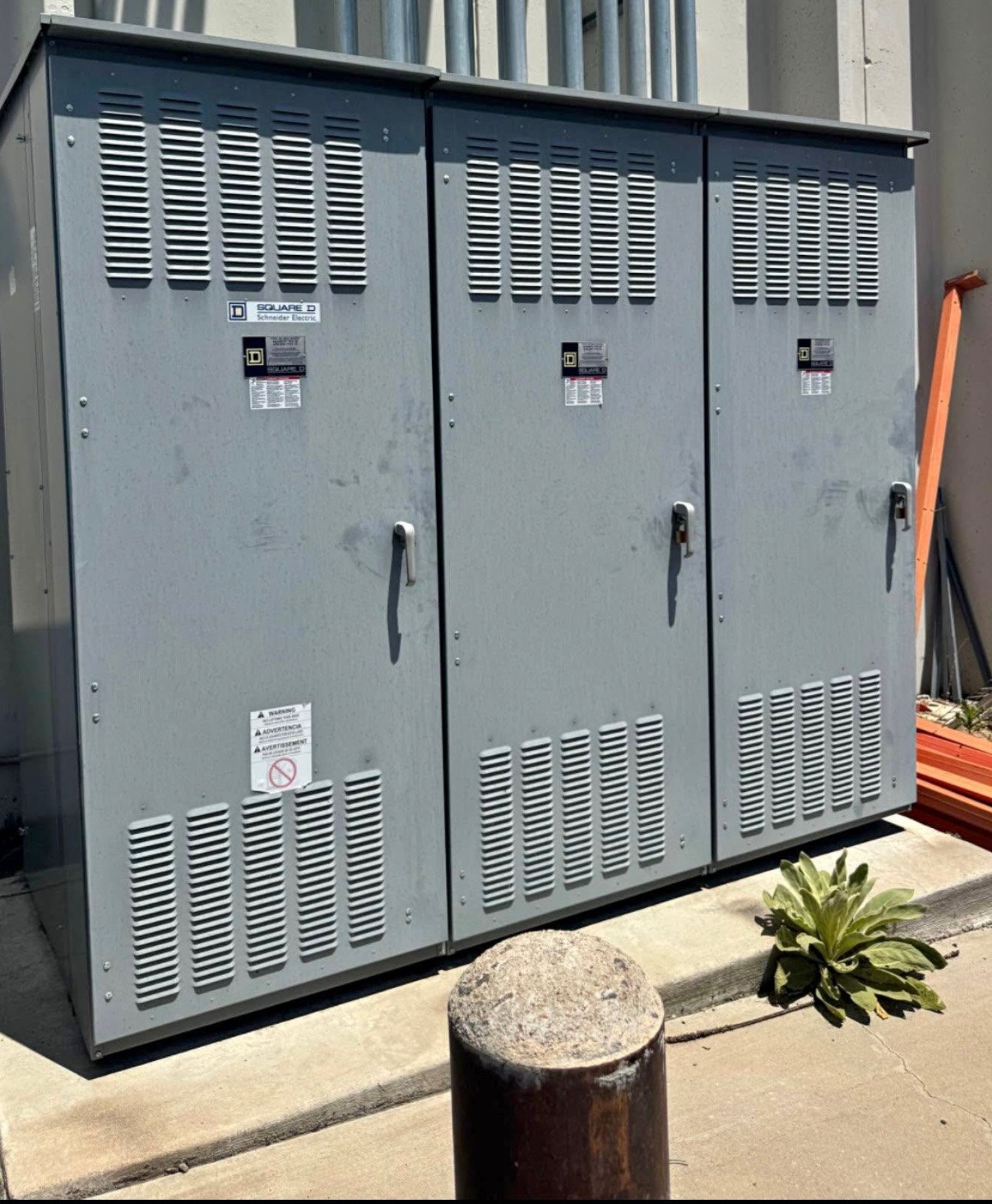
For a useful comparison, describe the switchgear and MCC groups separately even if you ultimately seek one transaction. Use existing inventories, equipment labels, and available records to distinguish the groups without opening, moving, or otherwise handling equipment. Note any uncertainty plainly. This gives the buyer a clearer basis to review each group and lets the seller consider whether one combined agreement or separately agreed sales better fit the shutdown plan.
Build the Inventory From Information Already Available
Start with records the factory already maintains, such as asset lists, prior project documents, and available equipment identification. Organize entries by the seller’s existing location or inventory grouping, then distinguish switchgear from MCCs. Include available manufacturer and nameplate details when they can be read safely from an existing record or from a label already accessible to the owner. Do not create new access or move equipment simply to complete the inventory.
Photos are optional and should only be shared when they are already safely accessible. A concise inventory is more useful when it separates confirmed information from unknowns: for example, an entry can identify the equipment group while noting that a detail is unavailable. Do not infer condition, completeness, or operating status from an old record. No seller testing is needed for an offer discussion, and the seller should not energize, open, disconnect, dismantle, or physically handle equipment to prepare information.
Identify the People Who Can Authorize the Sale
Factory shutdowns may involve more than one decision-maker. Before requesting an offer, identify the owner or authorized seller, the person empowered to approve commercial terms, and the person responsible for access coordination. If a property manager, contractor, or other representative is involved, establish what that party is authorized to decide rather than assuming that coordination authority includes permission to sell.
Also determine who can confirm that the equipment is released for sale and who will communicate any site restrictions or scheduling constraints. Keep commercial approval distinct from shutdown operations: the seller’s responsible parties control the facility and its access, while we review the equipment for a possible purchase. Clear responsibility helps avoid a gap between an accepted sale agreement and the point when the agreed equipment can be released for pickup.
Set Deadlines Around the Production Closeout
Make a simple sequence of decision dates: when the inventory can be shared, when the seller needs to evaluate an offer, when internal approval is expected, and the earliest and latest practical pickup windows. These are planning inputs, not a promise that every stage can be completed by a particular date. Share any firm shutdown or occupancy constraints early, along with the party authorized to confirm a schedule.
Avoid setting a removal date before the seller has agreed to the transaction and coordinated access with the responsible site parties. A shutdown may have separate milestones for production, utility coordination, building release, and contractor activity; the equipment sale should be scheduled around the seller’s actual plan. We can discuss pickup coordination after agreement. The seller remains in control of access, and timing depends on the equipment, site arrangements, and mutual agreement.
Evaluate an Offer Without Testing
Review an offer against the equipment actually described, the proposed lot boundaries, payment terms, and pickup responsibilities. Ask whether the offer applies to the combined group or only to identified items, and make sure any exclusions or uncertainties are understood before approval. An offer is not a guarantee of purchase for every asset; purchase depends on the equipment and agreement with the seller.
You can evaluate a cash offer without commissioning seller testing. Use the records and safely accessible identification already available, and disclose what is known without representing unknown condition as verified. Payment is made upfront before pickup. Confirm the agreed equipment and commercial terms with the authorized seller before arranging release. This sequence gives the seller a clear basis to decide whether the offer and proposed transaction fit the factory closeout.
Coordinate Removal Responsibilities After Agreement
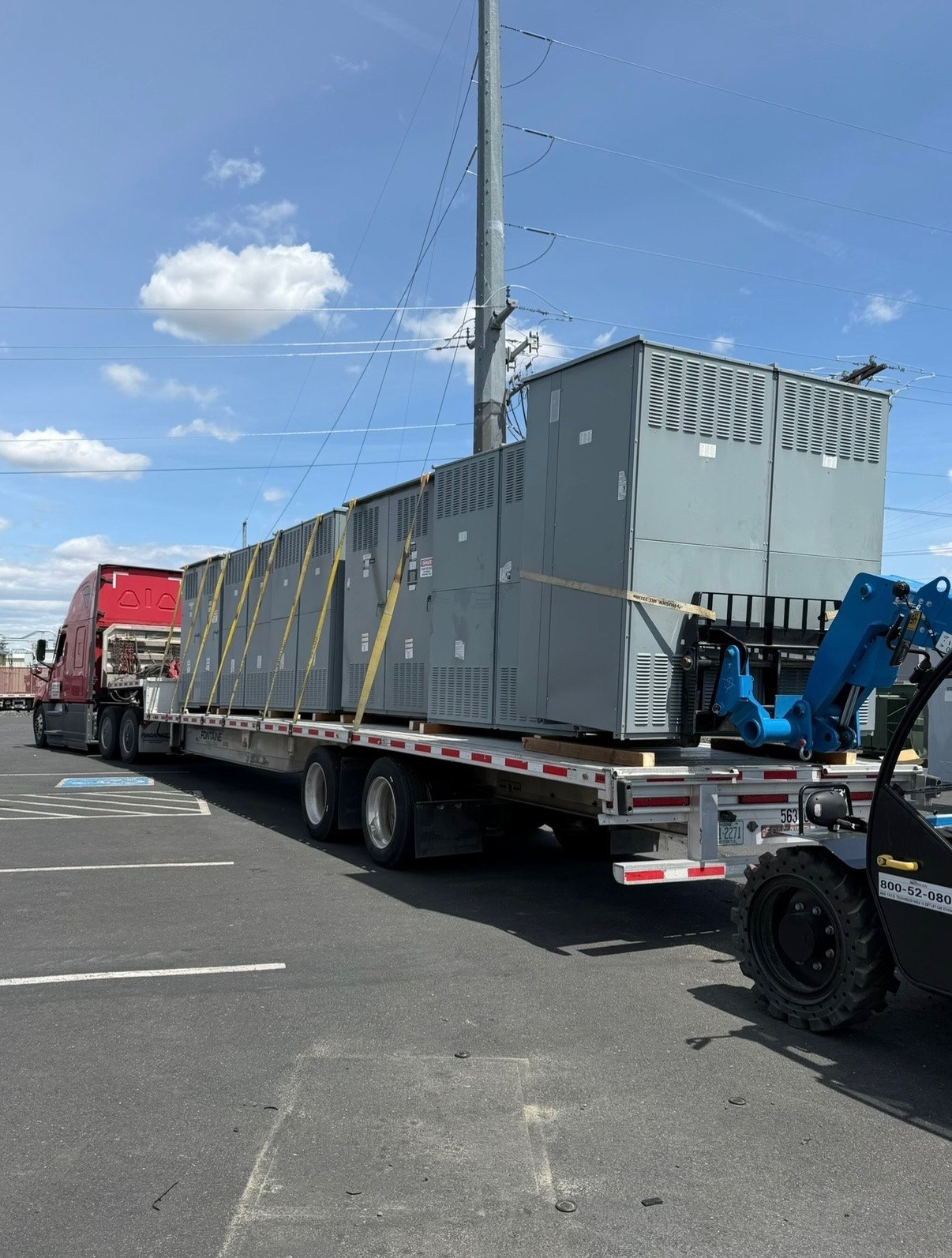
Once the parties agree, we handle cranes, rigging, disconnects, loading, freight, and hauling for the agreed purchase. The seller should identify the appropriate site contact and communicate access conditions so removal can be coordinated within the facility’s shutdown plan. The seller retains control of the premises and access; equipment release and scheduling require coordination with the people responsible for the site.
Keep the removal discussion tied to the agreed lot and pickup plan. If the inventory, responsible parties, or available dates change before pickup, raise the change promptly so both sides can confirm whether the agreement and schedule still fit. No seller testing is required as part of this offer process. A well-defined closeout separates the seller’s authorization and access decisions from our handling and transportation responsibilities, while keeping switchgear and MCC disposition aligned with the factory’s production shutdown.