Institutional Assets Across Multiple Buildings
Multi-building institutional electrical asset sales in Montgomery County call for a clear picture of what is available at each building, who controls it, and how the equipment can be collected. As a Pennsylvania buyer of used, surplus, and decommissioned electrical distribution equipment, we review potential purchases by asset and sale scope. A campus-wide inventory can be considered together, or records can distinguish separate buildings, owners, and release schedules. Any purchase remains subject to agreement and depends on the equipment.
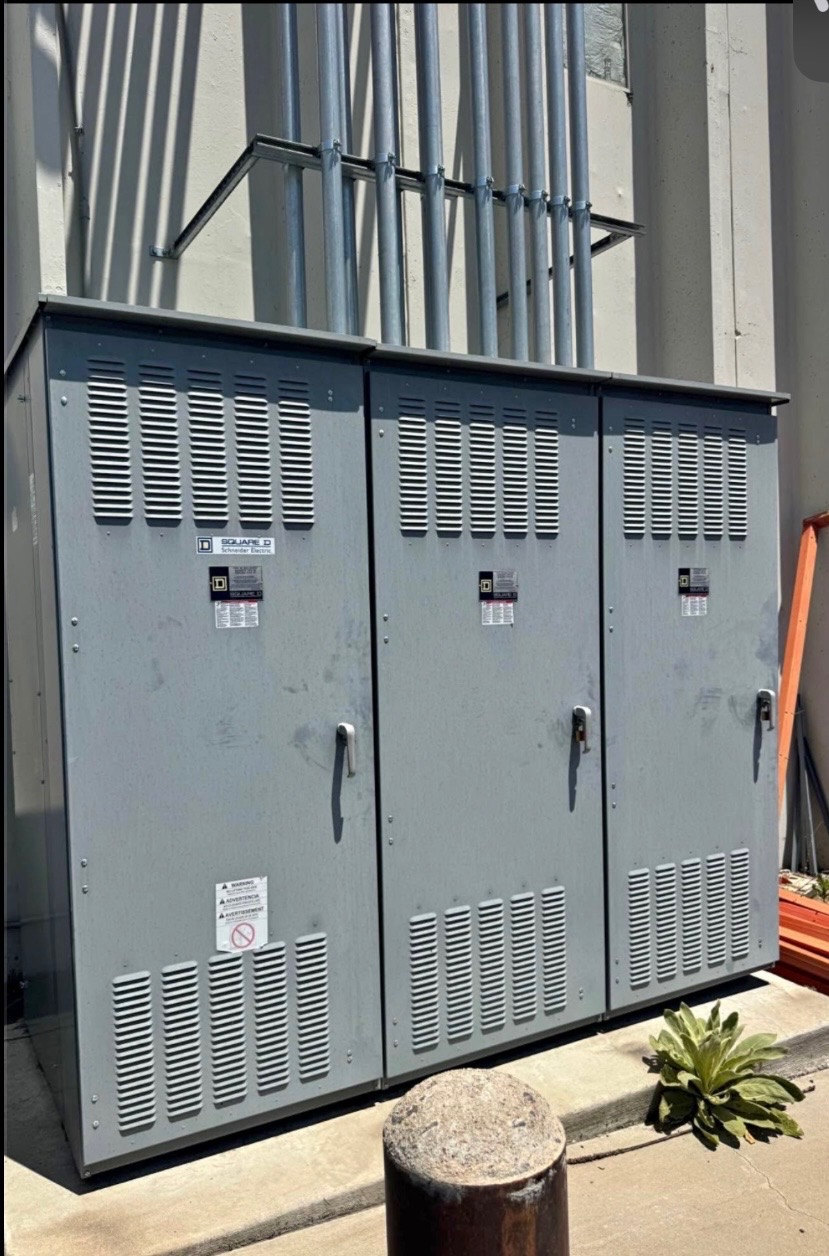
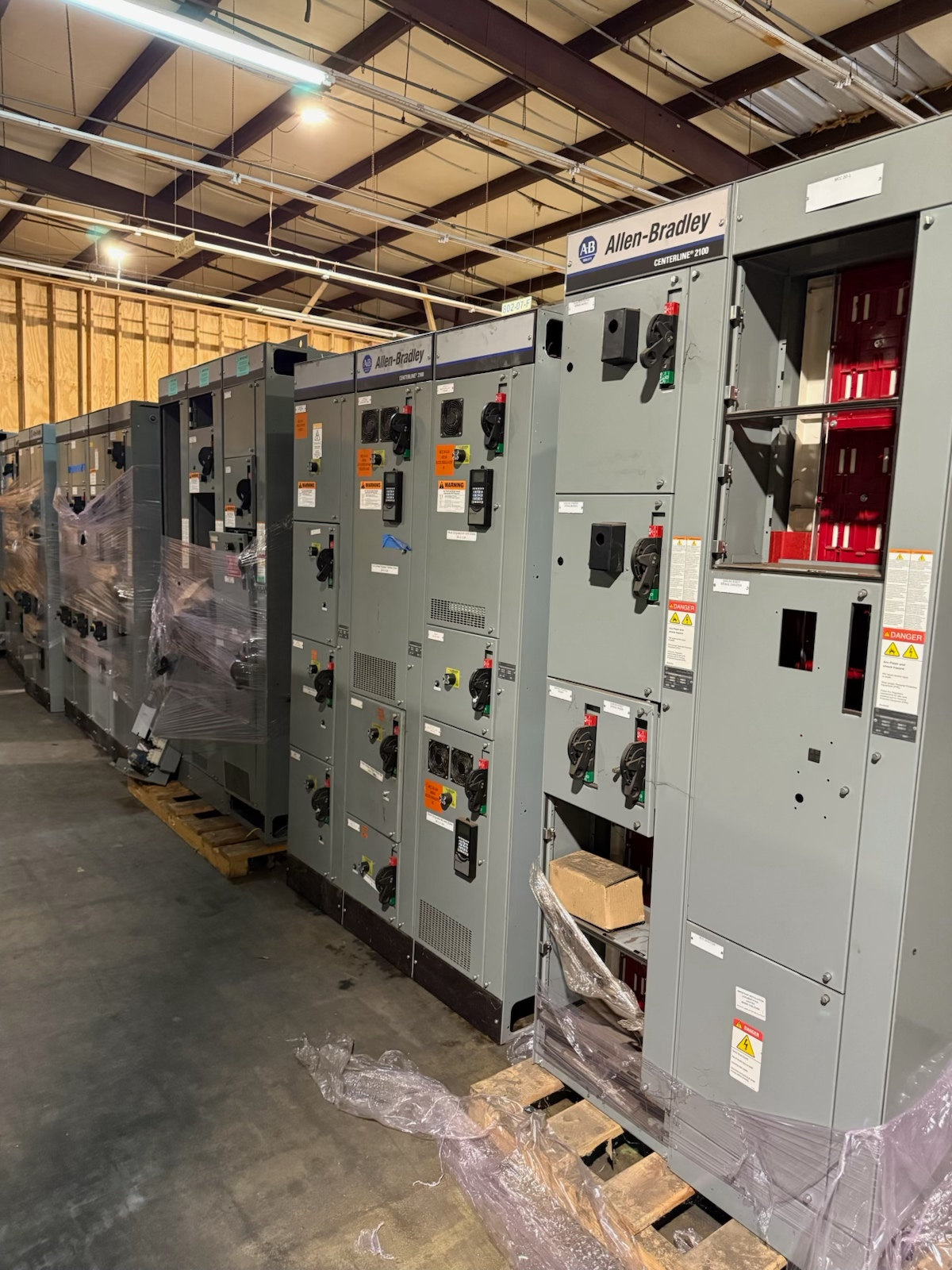
This is a buying service, not a general equipment appraisal or brokerage. We buy switchgear from decommissioned data centers and shut-down power plants across all voltage classes, along with other electrical distribution equipment that may fit a proposed sale. For an institutional portfolio, identifying the equipment’s building and ownership record helps us understand the proposed scope without assuming that every listed item is suitable or that all buildings will be included.
Organize the Inventory by Building
Start with the records already available, grouping equipment by building, area, and the entity authorized to sell it. Useful inventory details may include equipment descriptions, quantities, asset or tag identifiers, and any existing records that distinguish surplus from equipment still needed for operations. Keep items with unclear ownership or release status separate until the responsible party confirms whether they may be included. This organization makes it easier to discuss a defined sale rather than an undifferentiated campus list.
Photos and nameplate or label information are optional. Share them only when they are already safely accessible; no one needs to test, energize, open, disconnect, dismantle, or physically handle equipment to prepare an initial discussion. Existing documents can help identify what is being offered, while the seller retains control of building access and any decisions about operating areas. We do not require seller testing to consider an offer.
Clarify Ownership and Sale Authority
Institutional properties may have different ownership records across buildings, departments, subsidiaries, or other responsible entities. Before discussing a combined sale, identify who has authority to sell each group of assets and whether that authority covers the equipment, its release, and the planned collection. If separate entities must approve separate lots, those distinctions should remain visible in the inventory and sale discussions rather than being presumed to fall under one authorization.
A designated contact can help reconcile asset records with the proposed sale scope and route questions to the appropriate decision-makers. The contact need not resolve every record discrepancy before an initial conversation, but uncertainties should be stated plainly. Clear authority and lot boundaries help prevent an item from being treated as available simply because it appears on a building list. Any purchase is by agreement and depends on the equipment and agreed scope.
Set Building-Level Schedules
Collection planning across several buildings is easier when each group has its own proposed release window and access coordination. Share the sequence that suits the institution, any known limits on access, and whether assets from different buildings can be made available together or must be handled separately. A sale can be discussed around a phased release, subject to agreement on the equipment and schedule; listing multiple buildings does not itself establish a single pickup date.
The institution controls site access and coordinates any internal permissions. Our role is to arrange the equipment collection once the sale and logistics are agreed. We handle cranes, rigging, disconnects, loading, freight, and hauling. Those arrangements can be discussed in relation to the buildings and release sequence, so the parties can define what is included and coordinate collection without asking the seller to perform physical handling.
Evaluate an Offer Without Testing
An offer can be considered using the available inventory, records, and safely accessible visual information. Seller testing is not required. Instead, describe the equipment as accurately as existing records allow, identify the building and lot, and note known gaps or uncertainties. Optional photographs or labels may help clarify an item when they can be obtained safely without opening or handling equipment. Do not treat an unverified assumption as a confirmed equipment detail.
Review the offer against the proposed items and sale boundaries: which building records it covers, whether quantities or identifiers match the intended lot, and whether ownership and release authority are established. If records change or an item is withdrawn, the parties can address the revised scope before agreeing. An offer is not a promise to buy every listed asset; any purchase requires agreement and depends on the equipment.
Payment and Collection Responsibilities
For an agreed purchase, payment is made upfront before pickup. That timing gives the seller a defined payment point before collection begins and allows the parties to coordinate payment with the accepted sale scope. Confirm which assets are included and who is authorized to complete the sale so payment and collection refer to the same agreed group. Cash offers are available for equipment we agree to buy.
We handle cranes, rigging, disconnects, loading, freight, and hauling as part of coordinating the agreed pickup. The seller does not need to undertake those collection tasks. Building access and any necessary institutional approvals remain under the institution’s control; share applicable access arrangements during coordination. Keeping payment, asset scope, and each building’s release schedule aligned helps the institution manage a multi-building transaction clearly.
Coordinate a Defined Sale
A practical starting point is a building-by-building inventory, the applicable ownership or authorization contacts, and the institution’s preferred release sequence. From there, discuss which electrical distribution equipment is being offered, what existing records describe it, and whether the proposed sale is a single group or separate building lots. Optional safe-access photos or labels can supplement those records, but no seller testing is needed.
We buy used, surplus, and decommissioned electrical distribution equipment in Pennsylvania, including switchgear from decommissioned data centers and shut-down power plants across all voltage classes. For a Montgomery County institutional portfolio, each building’s records and schedule can inform the discussion without presuming a campus-wide purchase. We make cash offers for equipment we agree to buy, pay upfront before pickup, and coordinate the specified collection work. The final purchase depends on the equipment and agreement on the sale scope.