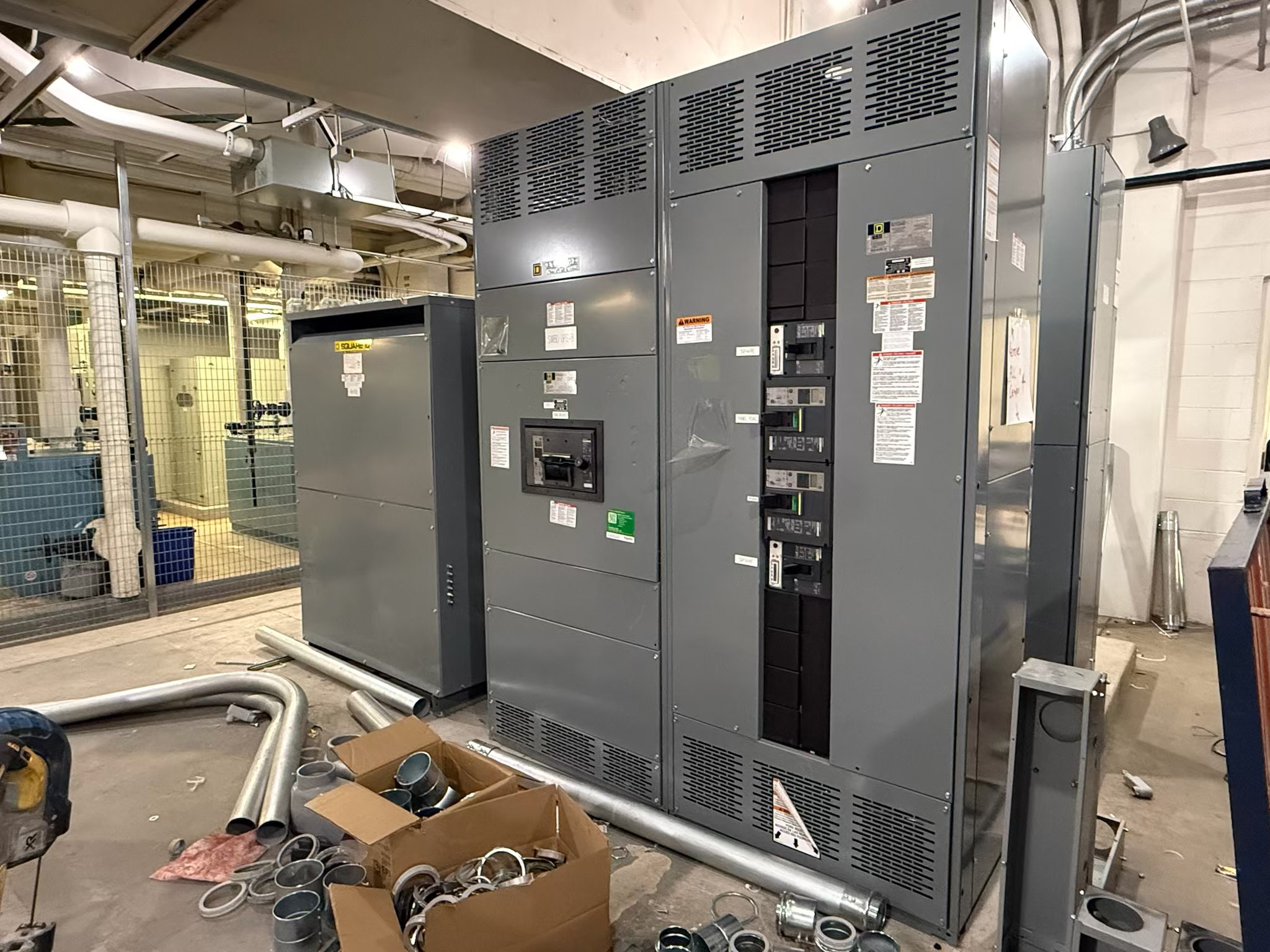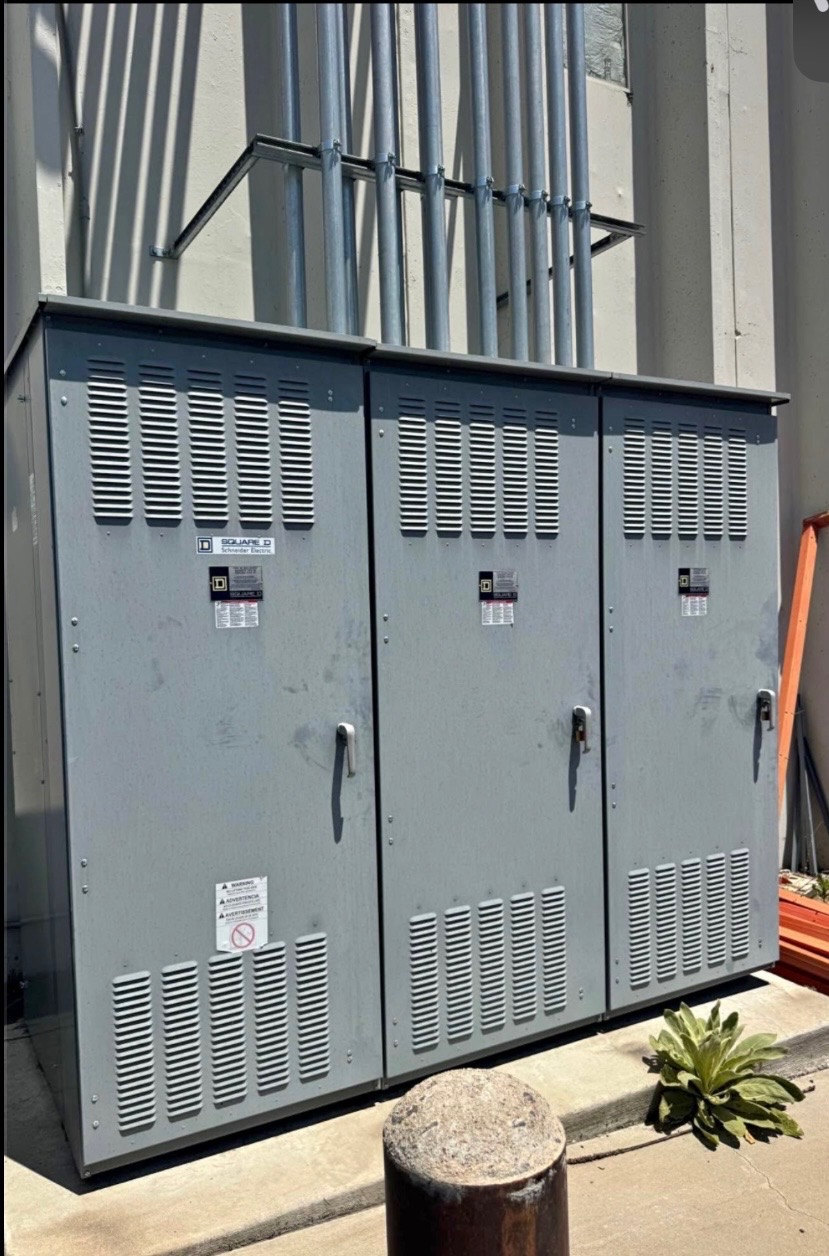
Selling Commercial Building Switchboard Replacements in Lackawanna County
We buy used, surplus, and decommissioned electrical distribution equipment in Pennsylvania, including commercial building switchboards removed or set aside during a replacement project in Lackawanna County. Our focus is the existing equipment offered for sale: main and feeder sections that may form a switchboard assembly, rather than a general inquiry about every electrical item at a property. We consider equipment individually and may make a cash offer when its condition, completeness, and sale circumstances fit our buying needs.
A commercial replacement can leave a defined group of sections, related equipment, or a much broader surplus lot. Those are different sale scopes. An assembled switchboard group should be described in terms of the sections included and how the seller expects them to be released; a mixed lot may include unrelated distribution equipment or loose components and needs a separate inventory description. We buy equipment only, and any purchase depends on the equipment and an agreed scope.
Describe Main and Feeder Sections Clearly
For a switchboard assembly, identify which existing main and feeder sections are included, whether sections are being offered together, and whether any portions are excluded from the sale. A main section and its feeder sections can represent a more coherent assembly than scattered parts, but completeness should not be assumed from a project label. Describe what is actually available, including known gaps or sections being retained, so the proposed sale matches the equipment that can be released.
Loose components are not the same as assembled switchboard sections. If the inventory includes separately stored parts, identify them as loose items rather than implying they are installed in or complete a section. Likewise, do not group unrelated equipment under a switchboard description simply because it came from the same building project. A concise division between the switchboard assembly, separately offered components, and other surplus helps establish a clear purchase scope without requiring seller testing.
Set the Sale Scope Alongside Replacement Work
Replacement planning often creates several decisions at once: which existing sections are surplus, what will remain under the owner’s control, and when the offered equipment can be released. For a Lackawanna County commercial building sale, provide the buyer with the boundaries of the equipment lot and the anticipated release timing. If the replacement is staged, distinguish equipment available in one release from equipment that may become available later. A stated schedule is useful for coordination, but it does not by itself establish a purchase or guarantee an offer.
Keep replacement planning separate from the equipment sale. We buy the identified used or decommissioned equipment; we are not offering replacement design, installation, or electrical project services. The seller determines what equipment is available and controls access to it. Clarifying those points early makes it easier to discuss whether the existing main and feeder sections can be considered as one purchase or whether the owner prefers to offer them in separate groups.
Account for Tenant Agreements and Release Authority
Commercial properties may have tenant agreements or other arrangements that affect access, ownership, removal timing, or who can authorize release. Before discussing pickup, establish which party controls the equipment and whether the sale scope is consistent with applicable agreements. If tenants, a building owner, a property manager, or another authorized party have distinct roles, identify who can approve the sale and coordinate access. The buyer needs a clear release path for the equipment being purchased, not assumptions about authority based on a project’s location or name.
Tenant schedules can also affect when a loading area or equipment location is available. Share relevant access and timing constraints as part of coordination, while keeping the sale scope specific to the sections being offered. Access remains under the owner’s control. No seller testing is required for us to consider equipment, and owners need not open, energize, disconnect, dismantle, or handle equipment to prepare it for discussion. Photos or labels are optional, and should be shared only when already safely accessible.
Provide Inventory and Freight Information
Useful inventory information includes a plain description of the switchboard sections, the distinction between assembled sections and loose components, the quantity being offered, and any known exclusions. If project records already identify equipment, those records can help describe the lot; do not create measurements, ratings, or compatibility claims from assumptions. The purpose is to understand what is present and available for sale, not to ask the seller to conduct tests or perform physical preparation.
Freight planning depends on the actual equipment and pickup circumstances. Share the property’s general loading constraints, access windows, and any known restrictions relevant to coordinating removal. We handle cranes, rigging, disconnects, loading, freight, and hauling as part of pickup coordination. The seller does not need to arrange those services independently. Details should be discussed against the agreed equipment scope and release timing, since a grouped assembly and a broader mixed lot can present different coordination needs.
Agree on Purchase and Pickup Terms
We make cash offers for equipment we choose to buy, with the offer dependent on the specific equipment and the parties’ agreement. There is no promise that every switchboard, section, or loose component will receive an offer. Before pickup, the seller and buyer should agree on what is included, what is excluded, who can authorize release, and when the equipment will be available. That shared scope helps prevent misunderstandings when a replacement project includes retained sections or multiple release stages.
Payment is made upfront before pickup. We do not require seller testing as a condition of discussing a purchase. Once the purchase scope and timing are agreed, we coordinate the pickup work, including cranes, rigging, disconnects, loading, freight, and hauling. The owner retains control of property access, and coordination should follow the owner’s authorization and agreed release schedule.
Keep a Switchboard Sale Distinct From a Broader Lot
A focused sale of commercial building switchboard replacements centers on the existing main and feeder sections and the circumstances that govern their release. A broader surplus lot may include additional distribution equipment or separate loose components from the same replacement effort. These should not be treated as identical offers by default: the buyer needs to understand whether the seller is presenting a defined assembly, a set of separate items, or a combined lot, and which equipment is actually authorized for sale.
For Lackawanna County sellers, the practical starting point is a clear inventory boundary, a realistic release window, and confirmation of authority where tenant agreements affect the equipment. From there, we can consider the offered equipment and discuss a cash purchase if it fits our buying needs. Any transaction requires agreement on the specific items and pickup arrangements. Payment is upfront before pickup, and we handle the coordinated removal and transportation work for equipment we purchase.