Start with a Building-by-Building Inventory
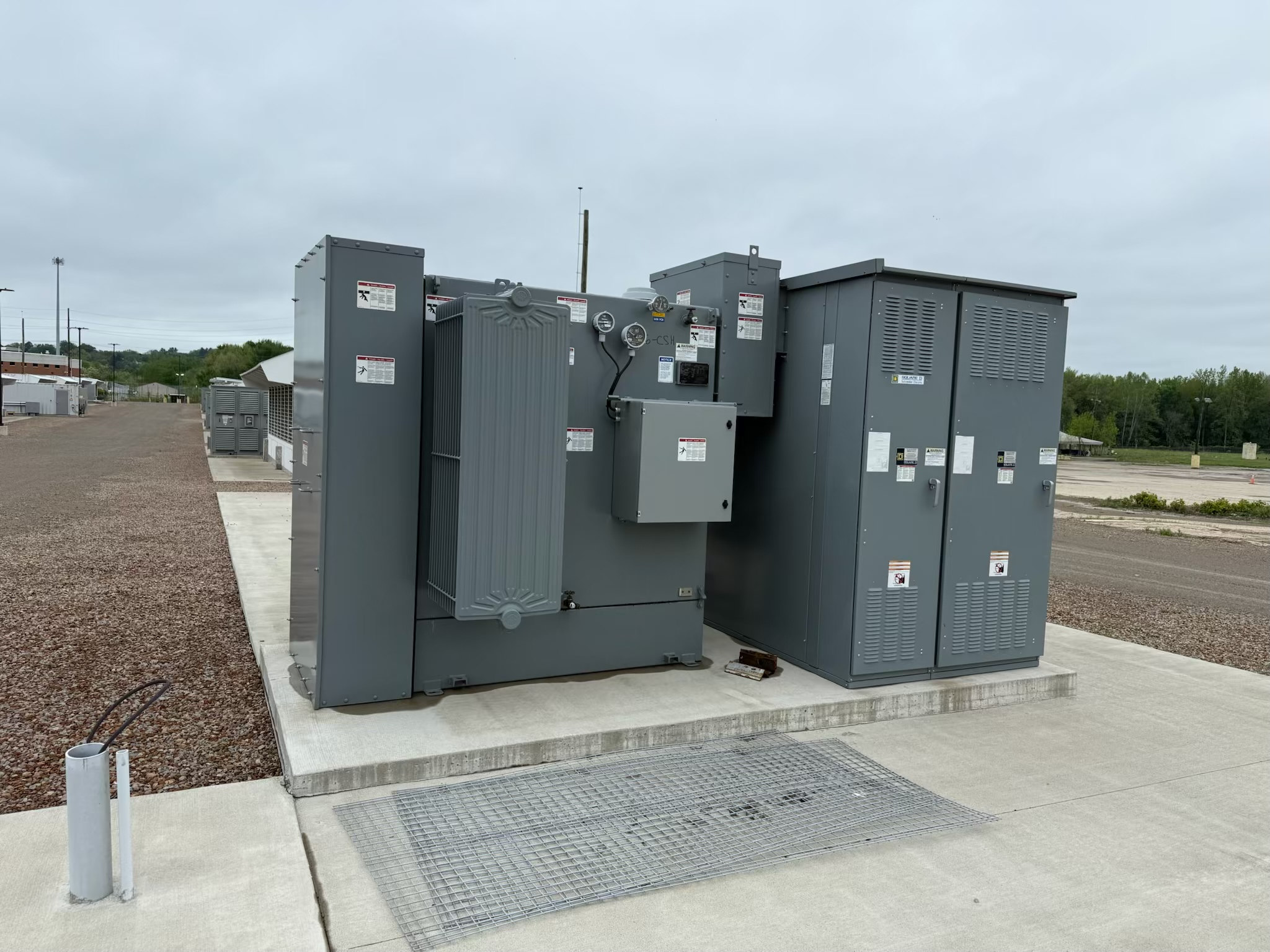
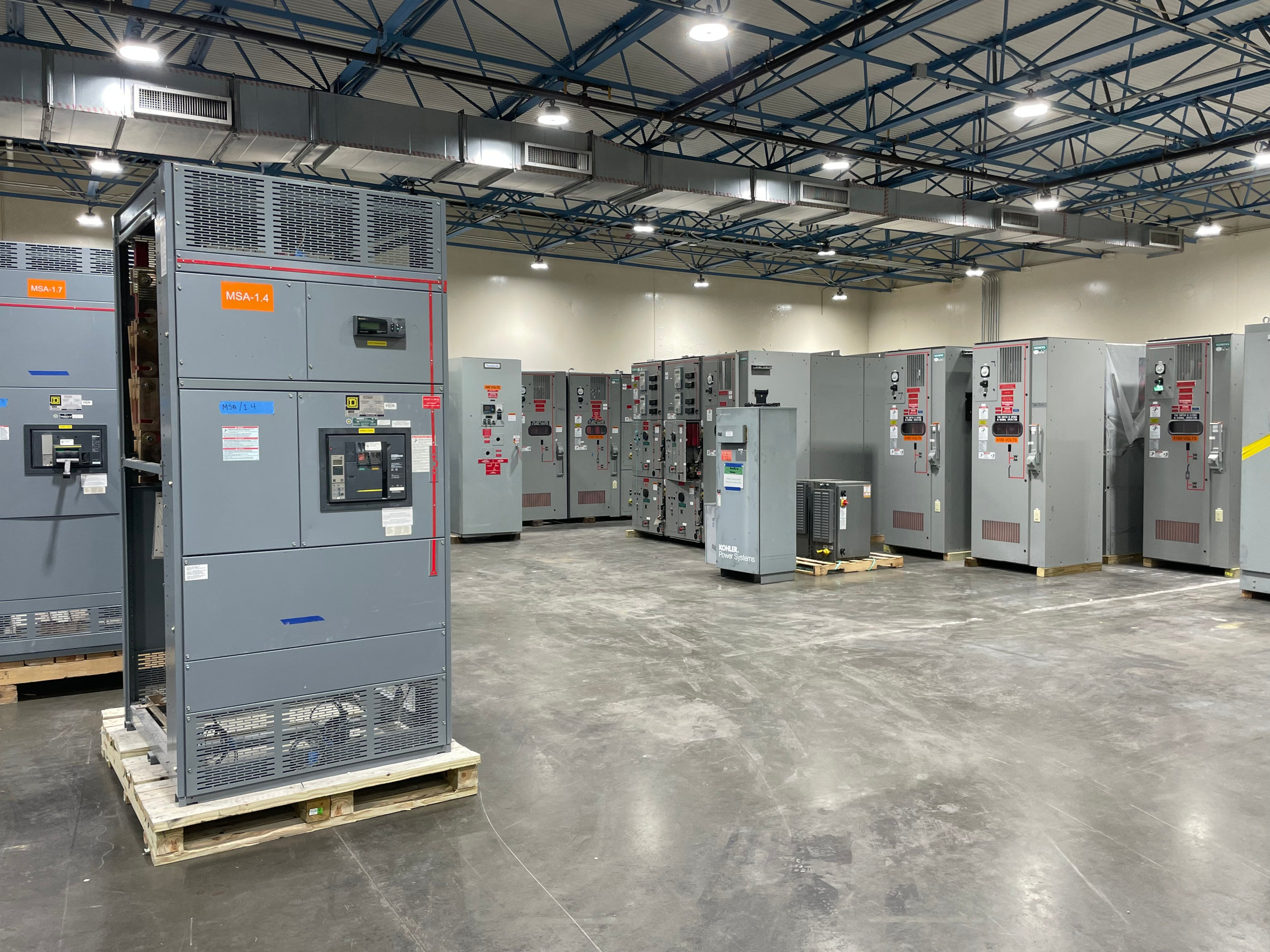
A commercial campus consolidation can involve electrical equipment in several buildings, with each room serving a different occupancy, operating schedule, or phase of a property plan. Begin by organizing potential sale items by building and electrical room rather than treating the campus as one undifferentiated lot. For each room, identify equipment that may be available for sale, equipment that must remain in service, and property whose status still needs confirmation. This structure gives the buyer a clearer view of the opportunity while helping the owner preserve control over retained assets and building operations.
An inventory can record visible equipment descriptions, manufacturer names, identifying labels, approximate quantities, and the room or building where each item is located. Include transfer equipment in the inventory when it may be part of the sale, and distinguish it from equipment that supports ongoing occupancy or is reserved for a future project. Information can be assembled from existing records and labels already safely accessible. Photos are optional and should be taken only where they are already safely accessible; no one needs to open equipment or perform testing to prepare an initial inventory.
Separate Sale Assets from Retained Property
The central decision in a campus sale is not simply what equipment is present, but which specific assets the owner is prepared to sell. Make that distinction explicit for each building. A room may contain surplus equipment alongside property needed for current operations, future occupancy, or another planned use. Marking those categories in the inventory helps prevent a broad room description from being mistaken for authorization to acquire everything in it. The sale discussion should follow the owner’s confirmed asset boundaries, not an assumption based on location or apparent surplus.
Give transfer equipment its own status in the inventory. Existing transfer equipment may be available, retained, or subject to further owner review; its presence alone does not establish that it is part of a sale. Note its building and room, and relate it to the intended sale scope without making assumptions about its role or condition. If ownership, disposition authority, or the boundary between sale property and retained property is unresolved, hold that item out of the proposed sale scope until the owner clarifies it. This makes the eventual offer more specific and the pickup boundary easier to coordinate.
Build a Scope That Reflects Occupancy
Ongoing occupancy affects how a consolidation is organized, even when particular equipment has been identified as surplus. A campus may have occupied buildings, partially used spaces, or rooms whose access must be coordinated around property operations. For an initial buyer review, describe the occupancy situation at a practical level: which buildings are occupied, which rooms contain proposed sale assets, and whether access to those rooms requires coordination with an owner-designated contact. This is planning information, not a request to interrupt building use or alter operating arrangements.
Define the proposed sale by building, room, and identified asset wherever possible. Avoid relying solely on broad descriptions such as “electrical room contents,” which can blur the line between items offered and equipment supporting ongoing occupancy. If the consolidation is staged, separate the inventory into intended sale groups and identify which group is being considered first. The owner can then review a specific scope before any pickup is arranged. No sale should be understood to include retained property, and no pickup should proceed beyond the assets the owner has authorized for sale.
Include Equipment from Different Campus Phases
Commercial campuses may accumulate distribution equipment as buildings change use, systems are consolidated, or space is prepared for a different purpose. Those histories can leave equipment from multiple building phases in the same room or across several rooms. An inventory that records location and visible identification helps distinguish those items without assuming they share the same status, age, condition, or sale value. The buyer considers the equipment actually offered; the presence of other equipment nearby does not make it part of the transaction.
When equipment descriptions are incomplete, provide what is already available rather than trying to fill gaps through physical examination. Existing records, visible labels, and an owner-prepared room inventory can support an initial review. The seller does not need to test equipment for a buyer. Information about known history or prior disposition decisions can be useful when the owner already has it, but undocumented assumptions should not be presented as established facts. The resulting scope can remain item-specific while leaving unresolved identification questions for the owner to clarify through safely available information.
Coordinate Access and Pickup Boundaries
Access should be arranged building by building with the owner or the owner’s designated representative. The owner controls access to the property, including occupied areas and electrical rooms, and can identify when a proposed pickup group may be reached. Keep the access discussion tied to the approved sale assets and the rooms that contain them. Optional photos or label information may help with planning if already safely accessible, but access planning does not require the seller to open equipment, conduct tests, disconnect anything, or move items for inspection.
For an agreed purchase, we coordinate and handle cranes, rigging, disconnects, loading, freight, and hauling. These responsibilities can be discussed against the confirmed inventory and pickup boundary so the seller knows which proposed sale assets are included in the coordination. The owner remains in control of property access and the definition of what is available for sale. If a room also contains retained property, the scope needs to distinguish those assets before pickup rather than leaving the boundary to be inferred on site.
Review the Offer and Payment Terms
We buy used, surplus, and decommissioned electrical distribution equipment and provide cash offers for equipment considered for purchase. An offer is based on the items the owner identifies as available and the details provided about them; not every item is necessarily suitable for purchase. For a campus consolidation, that means reviewing sale assets as a defined group or as separate building-level groups, according to the owner’s proposed scope. Any transaction depends on agreement between the buyer and seller about the equipment included.
Payment is made upfront before pickup. The owner can use the agreed inventory and sale scope to confirm which assets the payment and pickup relate to, particularly where a campus has multiple buildings or retained equipment near the sale items. No seller testing is required. Clear agreement on included assets, access arrangements, and the pickup boundary helps keep the purchase focused on authorized sale property while leaving ongoing occupancy and retained equipment under the owner’s control.
Keep the Consolidation Organized Through Closeout
A useful closeout record ties the agreed sale back to the original building-by-building inventory. It can show which proposed assets were included in the purchase, which remained with the owner, and which were not part of the agreed scope. This distinction matters when consolidation work spans several rooms or proceeds in stages: the inventory remains a reference for the transaction rather than a blanket description of everything in the campus electrical rooms. The owner can maintain its own records of retained property and any items reserved for later decisions.
Before pickup coordination, confirm that the sale scope still matches the owner’s current plans for each affected building. Occupancy needs and asset decisions can change during a consolidation, so the buyer’s coordination should follow the owner’s latest authorization. Once the included equipment and access boundaries are agreed, we handle the pickup logistics described for the purchase, including disconnects and removal-related transportation. A building-level, inventory-first approach supports a clear equipment sale without confusing available assets with the electrical property the campus intends to keep.