What equipment is included in the proposed sale?
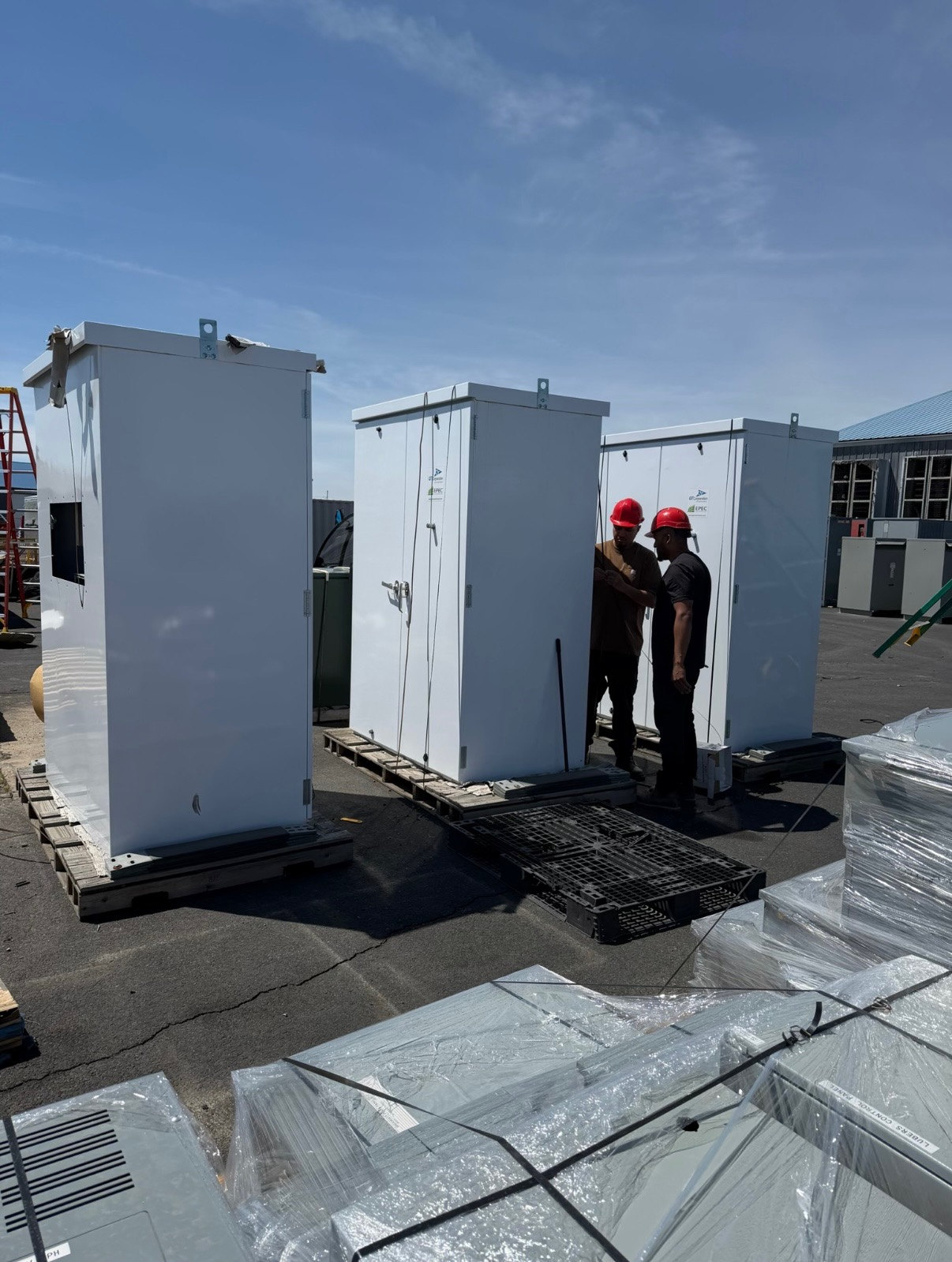
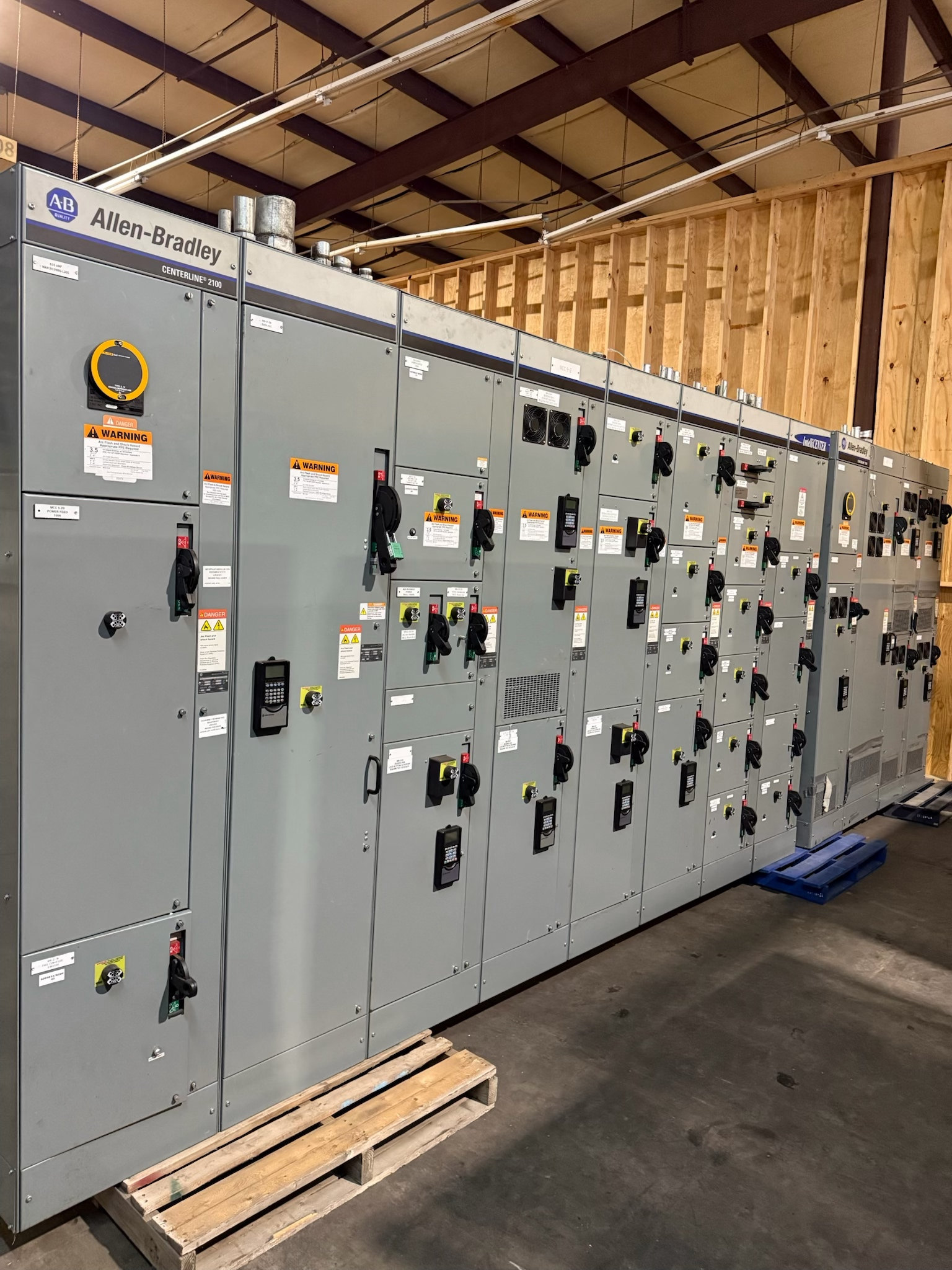
For an industrial property sale in Luzerne County, begin by reconciling the electrical-room inventory against the equipment the owner intends to sell. Separate equipment offered to the buyer from retained fixtures, building systems, tenant property, and items already assigned to another purchaser. A room may contain distribution equipment alongside lighting controls, wiring, building automation, or other installed components; their presence in the same space does not make them part of one sale. Identify each proposed item by its existing label or other description when available, and record whether it is included, retained, excluded, or still under review.
This distinction helps align the equipment offer with the property transaction. The buyer can consider used, surplus, or decommissioned electrical distribution equipment, including switchgear, but an offer depends on the equipment and whether both parties agree to the sale. A general room description is not enough to settle what is being sold. If the inventory lists a lineup or group of equipment, clarify which associated components and sections are included and which remain with the building or another owner. Do not treat an item’s attachment to the premises as proof that the seller has authority to transfer it.
Who can approve release of the equipment?
Before requesting an offer, identify the party authorized to sell each item. On an industrial property transaction, ownership, operating responsibility, and authority to release equipment may sit with different parties. The property owner, tenant, lender, receiver, facility operator, or another interested party may need to resolve rights before equipment can be sold. Confirm who can approve the sale, sign for the equipment, and authorize its release from the site. Where approvals are pending, mark the affected inventory accordingly rather than presenting it as cleared for sale.
The sale should also distinguish equipment being transferred with the real estate from equipment being sold separately. A purchase agreement, lease, asset schedule, or other transaction document may define retained fixtures or personal property. Align the equipment inventory with those records and have the appropriate parties resolve any conflict. A buyer’s interest in reviewing equipment does not establish the seller’s authority to convey it. Clear release approval lets the parties discuss a defined group of items and avoid confusing a prospective equipment sale with the broader building sale.
How should the inventory describe each item?
Use descriptions that let the buyer understand what is being offered without requiring the seller to inspect or test equipment. Existing equipment labels, inventory records, prior sale schedules, and photographs already available to the owner can help reconcile names and counts. Record the item’s location by room or area and distinguish separate pieces from grouped assemblies where the available records allow. If a label is missing, unreadable, or inconsistent with the asset schedule, note that discrepancy instead of guessing. Photos and label details are optional and should be shared only when already safely accessible.
Compare the inventory with the property sale documents and the owner’s retained-asset list. Look for duplicate entries, equipment assigned to more than one party, items recorded under different names, and equipment that appears in a room inventory but not in the sale schedule. Also identify any items the owner intends to retain, even if they are physically near equipment being offered. The goal is not to create a technical inspection record; it is to establish a clear, consistent description of the proposed sale and the seller’s intended boundary.
What should the proposed sale scope include?
Once ownership and inventory are aligned, define the scope of the equipment sale in writing. State which listed items are offered, which are excluded, and whether any grouped equipment is being offered together. Identify the property or area where the included items are located and the party responsible for authorizing access. If the owner is selling only selected equipment from an electrical room, make that limit explicit. If equipment is subject to a pending real-estate closing or another asset transaction, coordinate the sale timetable and release authority with the parties responsible for that transaction.
The buyer purchases equipment only; this is not a general building-clearance or property-removal arrangement. A defined scope makes it possible to discuss the equipment itself and the work needed for its pickup without implying that unrelated contents, building systems, or retained fixtures are included. The buyer’s interest and any cash offer depend on the equipment, the available information, and mutual agreement. There is no commitment to buy every listed item, and an inventory should not be read as acceptance of all equipment in the room.
What information can be shared without testing?
The seller does not need to arrange testing for a buyer review. Do not energize, open, dismantle, disconnect, or physically handle equipment to gather information. The buyer makes no request for seller testing. Use records and observations the owner already has, such as existing labels, an asset schedule, or photographs that can be shared without creating access or handling concerns. If a requested detail is unavailable, say so plainly; do not fill gaps with assumptions about condition, contents, or suitability.
This approach is especially useful when the equipment inventory was prepared for a building sale rather than an equipment transaction. Property records may group items differently from a buyer’s inventory, or may describe equipment using shorthand. Reconcile those descriptions through existing documentation and authorized personnel. Owners control access to the property and equipment. Any access discussion should be coordinated with the owner or the person authorized to manage the site, while the buyer’s review remains limited to information that can be provided safely and voluntarily.
How do access and pickup responsibilities work?
Agree on access arrangements only after the equipment scope, release approvals, and sale terms are clear. The owner controls site access and determines who may authorize entry. Coordinate the pickup area, timing, and any property-specific access requirements through the responsible party. A building sale may also involve a closing schedule, a new owner’s possession date, or other parties whose approval affects release. Resolve those points before scheduling a removal so the equipment sale and the property handoff do not conflict.
For equipment the parties agree to sell, we handle cranes, rigging, disconnects, loading, freight, and hauling. The seller does not arrange those services as a condition of receiving an offer. The buyer coordinates the required removal and transportation work for the agreed equipment, subject to the parties settling access and pickup arrangements. The seller should not disconnect, dismantle, move, or otherwise physically handle equipment for the buyer. Keeping responsibilities explicit helps distinguish the buyer’s equipment-removal role from the owner’s control of the property and authorization to release assets.
When is payment made, and what happens next?
We make cash offers for equipment we are interested in buying, but a sale proceeds only if the parties agree on the equipment and terms. The offer is not a promise to purchase every item in an electrical room or every asset appearing on a property schedule. Reconciled inventory, clear ownership, release approval, and a defined pickup scope give both parties a practical basis for discussing a sale. If the proposed inventory changes, or an item is retained or excluded, update the scope before relying on an earlier discussion.
Payment is made upfront before pickup. The agreed equipment, payment, authorization, access, and pickup arrangements should be settled before removal begins. The buyer then handles the cranes, rigging, disconnects, loading, freight, and hauling for the equipment covered by the sale. This sequence lets an industrial property seller coordinate an equipment transaction alongside a building sale while keeping retained fixtures and other property assets clearly outside the agreed equipment scope.