Decide What Is Authorized for Sale
For an Allegheny County industrial estate, the first decision is not how to move equipment; it is which owner or estate representative has authority to sell each asset. A consolidated property may contain equipment belonging to different entities, former tenants, secured parties, or other owners. Treat each ownership interest separately. Identify the seller for each proposed group and confirm that the person coordinating the sale can authorize it before presenting the equipment for a cash offer.
Our business is buying used, surplus, and decommissioned electrical distribution equipment. We make cash offers for equipment we are interested in, with payment upfront before pickup. An offer depends on the equipment and the terms agreed with the seller; not every item will receive an offer. We do not require seller testing. A clear division of authority lets us assess the proposed purchase without confusing one owner’s assets with another’s or suggesting that a single estate representative can sell property outside their authority.
Separate Assemblies From Loose Components
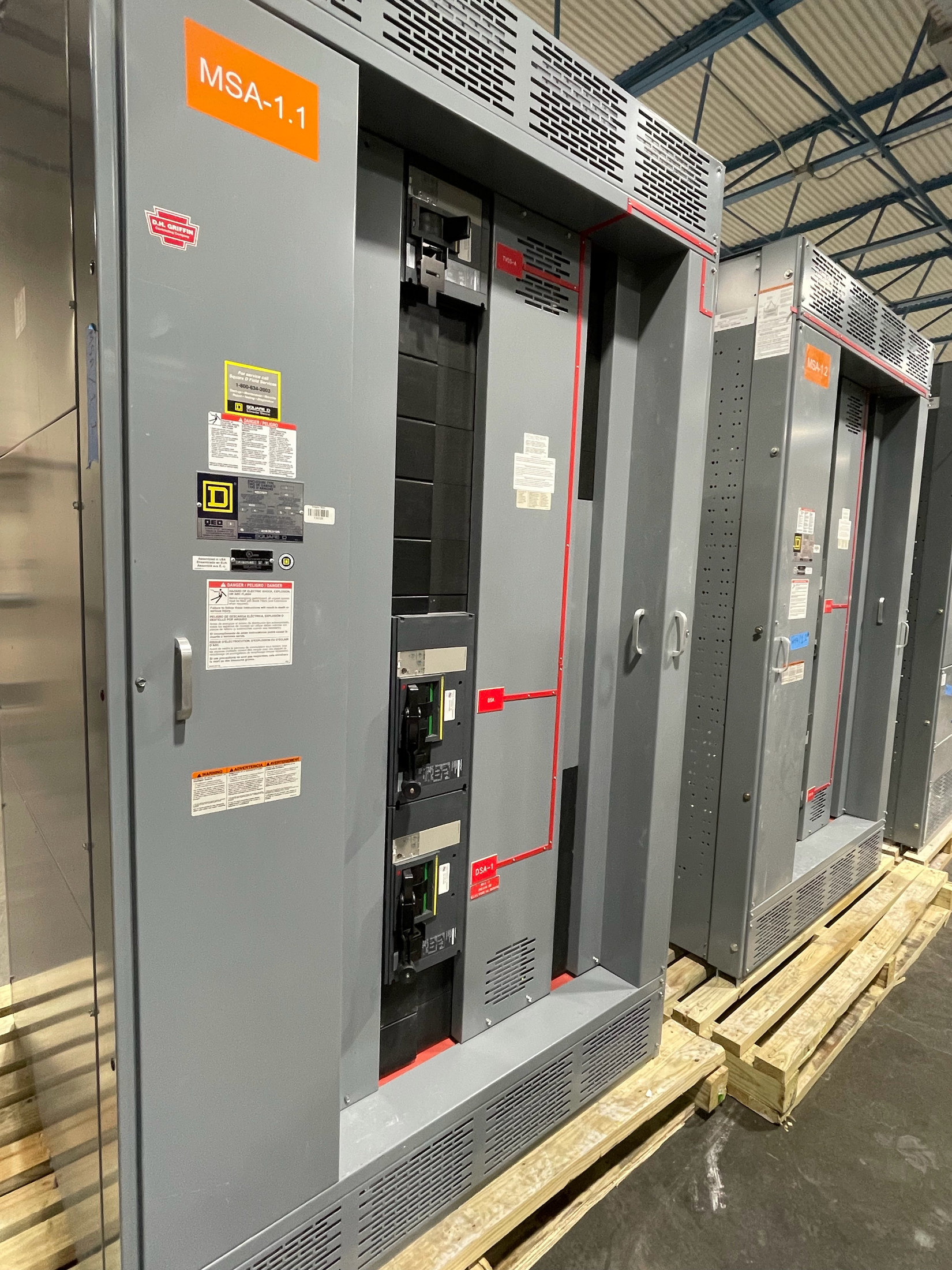
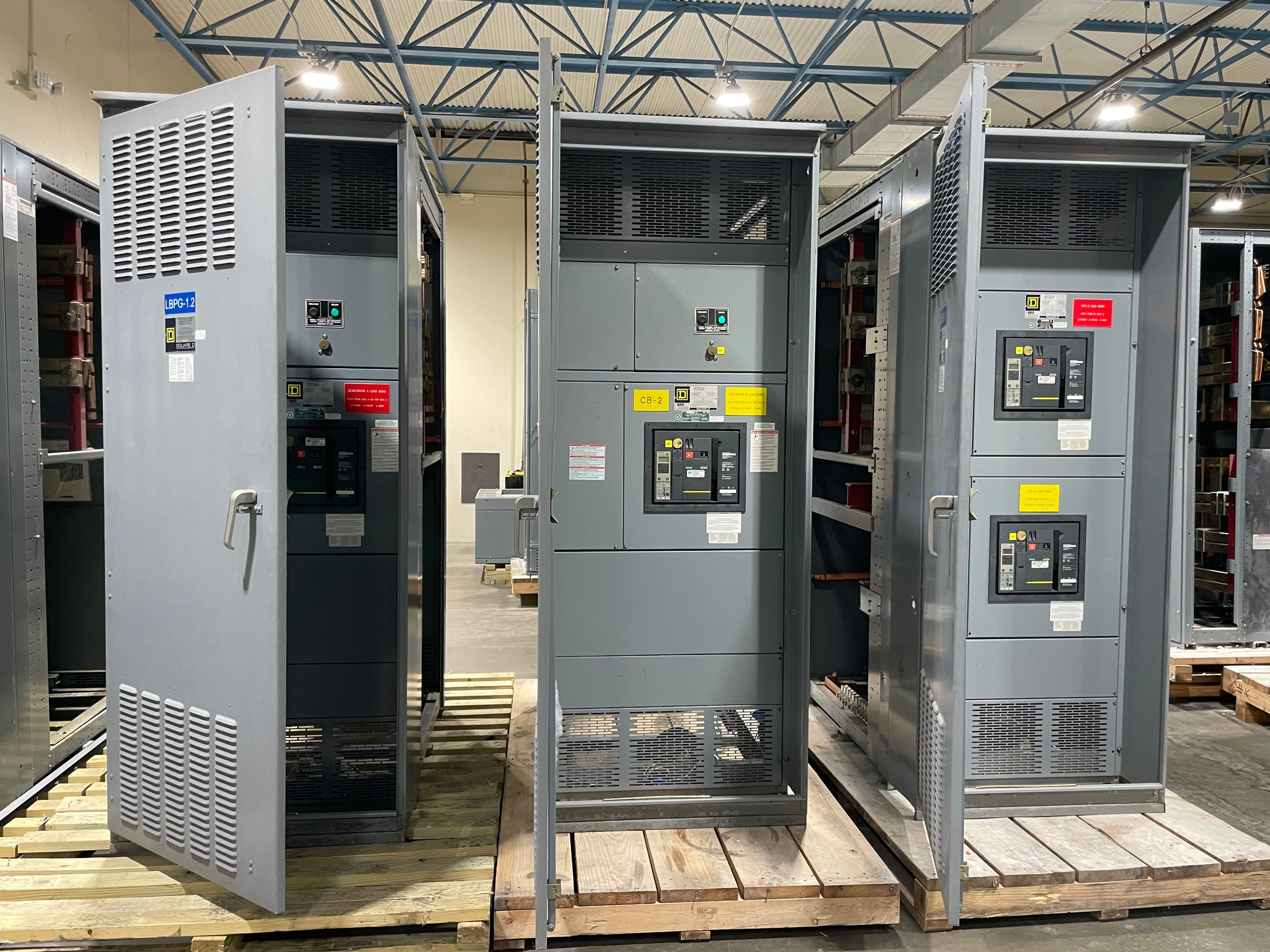
Build the inventory around the difference between complete electrical distribution assemblies and loose components. Switchgear is an assembly, while a breaker, relay, instrument, fuse, or other part may be a separate loose item unless it remains within an identified assembly. Record what is present as found, without describing loose parts as complete equipment or assuming they belong to a particular lineup. This distinction matters when several owners’ property is gathered in one building or storage area: an assembly and nearby loose components may have different owners, sale authority, or disposition plans.
For each proposed sale group, describe assemblies separately from standalone components and note the owner associated with each group. If existing paperwork identifies equipment, use it to support the inventory; do not create technical claims from appearance alone. Photos and labels are optional, and should be shared only when already safely accessible. Sellers do not need to open equipment, energize it, test it, disconnect it, dismantle it, or handle it to prepare an inventory.
Use Separate Asset Schedules
When multiple owners are involved, separate asset schedules make the proposed transaction easier to review. A schedule can identify the responsible owner or authorized representative, distinguish assemblies from loose components, and describe the property included in that owner’s proposed sale. Keep items that are not authorized for sale out of the proposed purchase scope. If one building contains several owners’ equipment, a shared location does not make those assets a single seller’s inventory.
Schedules can also record whether an item is available in an initial group or belongs to a later phase. Avoid combining similar-looking equipment solely because it is nearby. If records do not establish ownership or whether a loose component belongs with an assembly, leave that relationship unresolved for the owner or authorized representative to clarify. The purpose is a reliable scope for a possible purchase, not a technical inspection or a valuation exercise by the estate.
Define the Purchase Scope Before Coordination
A consolidated estate may have different decisions for each asset group: one owner may be ready to sell, another may need approval, and a third may retain equipment. State which assets are being offered for consideration and who can agree to their sale. We can review equipment across all voltage classes, including switchgear from decommissioned data centers and shut-down power plants. The source property does not establish that a particular item will be purchased; any cash offer depends on the equipment and agreement with its authorized seller.
Keep the proposed scope specific enough that both sides can distinguish included assets from property remaining on site. That is especially important when an assembly stands near loose components, or when equipment from separate ownership schedules is stored together. A discussion of the inventory is not a commitment to buy every listed item. The purchase proceeds only for equipment covered by an agreed transaction, with payment upfront before pickup.
Plan Phased Building Access
Where owners control different areas or approve access at different times, phase the proposed sale around actual authorization and availability. For each phase, identify the owner’s approved equipment group and the access window that the owner can provide. Do not treat a site-wide schedule as permission to enter every area or move property belonging to another party. The owner or its authorized representative controls access and must coordinate the arrangements for the property being offered.
A phased plan can also separate ready-to-sell equipment from items awaiting ownership confirmation or approval. Keep the inventory and sale scope aligned as phases change; an item deferred from one phase should not be assumed to transfer into another without the responsible seller’s agreement. We coordinate pickup for equipment included in an agreed purchase, but sellers should not perform physical preparation or dismantling. Access and scope are coordinated with the owner before pickup.
Coordinate Removal and Payment
For equipment we agree to buy, we handle cranes, rigging, disconnects, loading, freight, and hauling. Payment is upfront before pickup. These terms allow an authorized seller to plan around a defined purchase rather than arranging removal independently or relying on payment after the equipment leaves. The seller does not need to test equipment for us, and should not open, energize, disconnect, dismantle, or physically handle it to support our review.
When a sale includes more than one owner, coordinate each owner’s approvals and access with that owner’s portion of the agreed scope. Clear identification of the assemblies and loose components included in each purchase helps prevent confusion during pickup. Any additional assets require their own review and agreement; an offer on one group does not imply an offer on another. The result is a practical consolidation plan built around authority, defined inventory, phased access, and the specific equipment we agree to purchase.