What does a data center consolidation sale cover?
A data center electrical infrastructure consolidation can involve a substantial group of distribution equipment being retired, relocated, or separated from systems that will remain in service. For a Chester County owner, the first useful question is not simply how many pieces are present. It is which equipment belongs to the sale, which supports ongoing operations, and which assets cannot be released until an internal approval is complete. We buy used, surplus, and decommissioned electrical distribution equipment, including switchgear from decommissioned data centers. Purchases depend on the equipment and the scope presented; not every item will qualify for an offer.
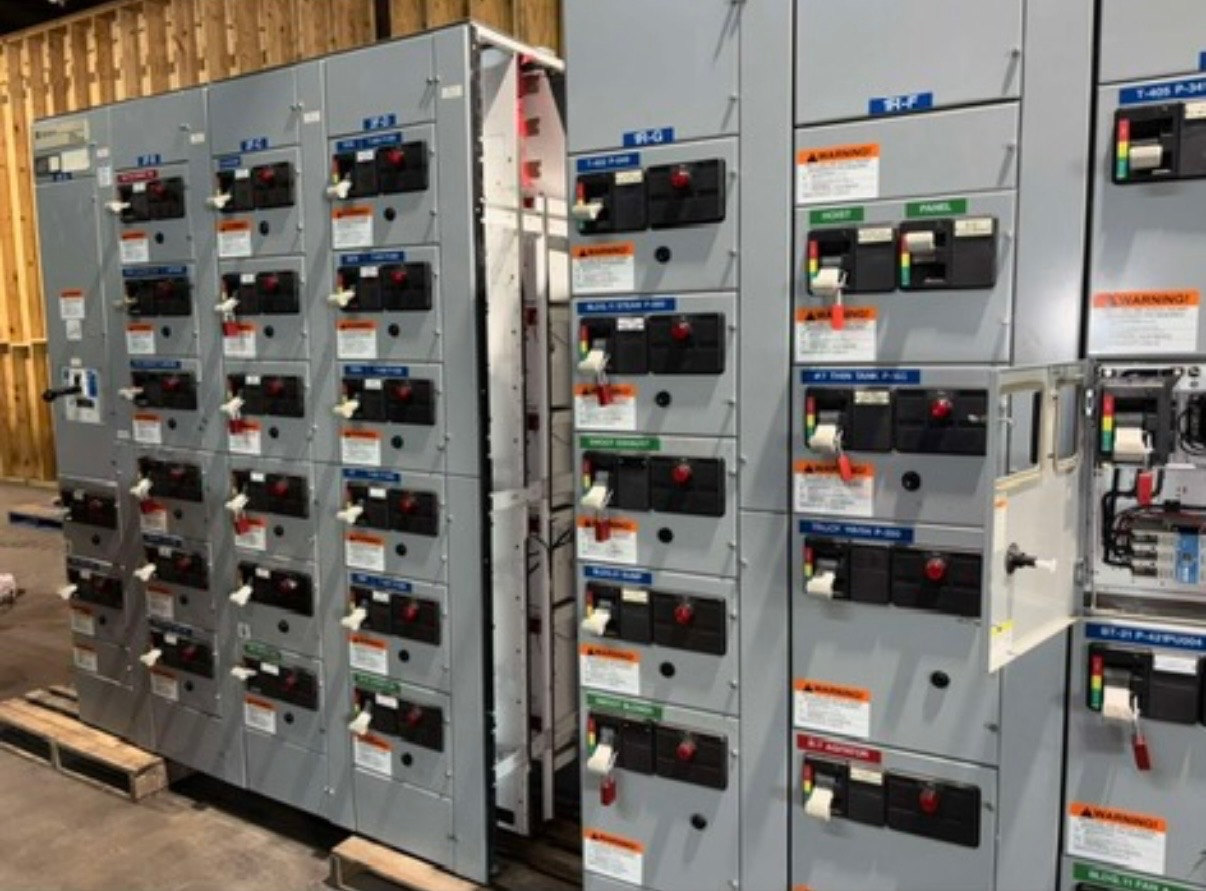
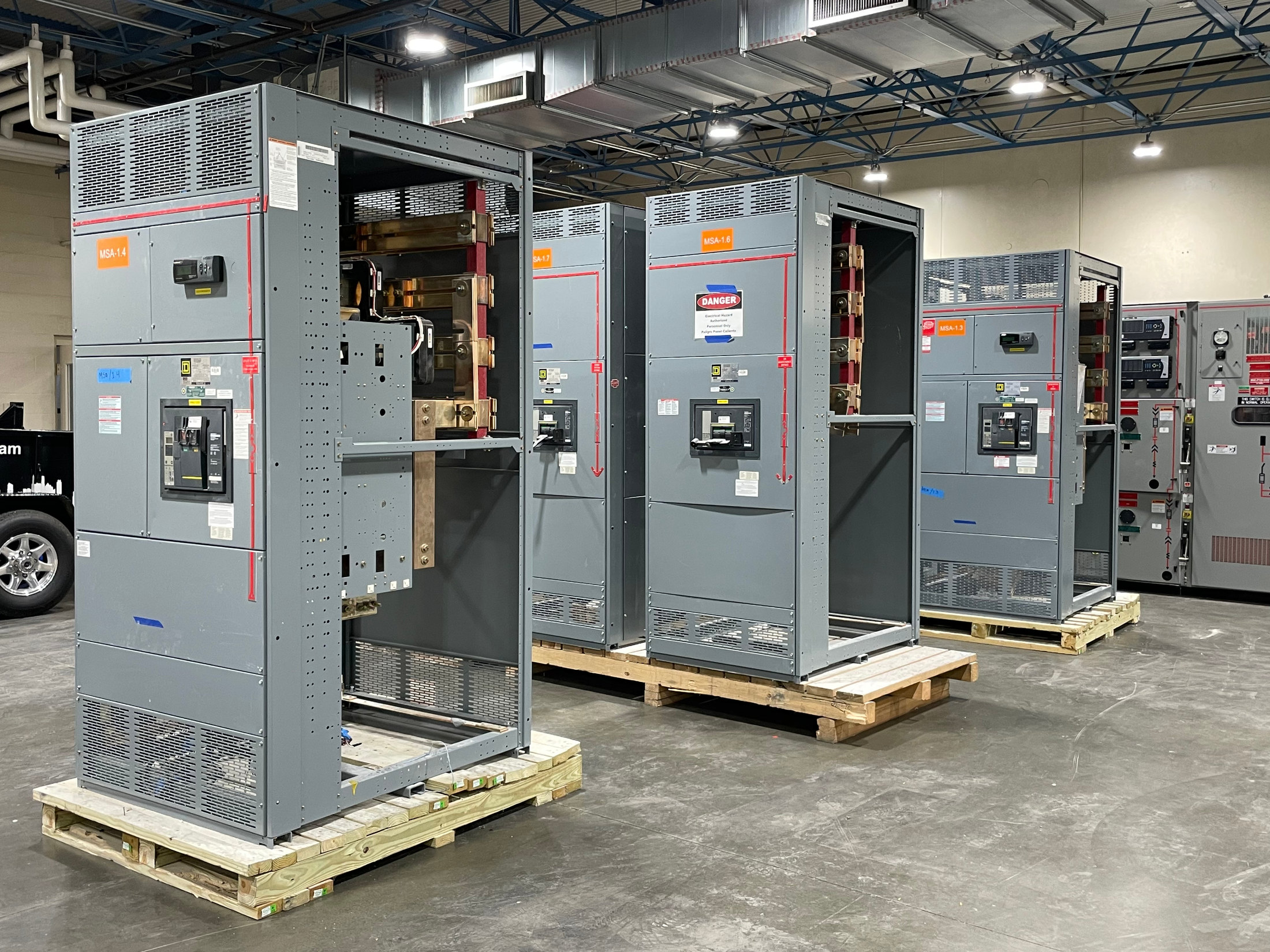
A potential sale may include switchgear and other distribution equipment assembled as a lot, or only selected assets within a larger consolidation. The distinction matters when equipment is grouped by room, system, retirement phase, or ownership. Describe the proposed sale boundary in terms your team already uses, and identify any equipment that is expressly excluded. A clear boundary helps us consider the actual distribution lot rather than assume that every visible asset is available. We can review an inventory and discuss a cash offer without asking the seller to test equipment.
How can operating and retired systems be distinguished?
In a mixed operating-and-retired environment, the sale scope should follow the owner’s asset records and approved project documents, not appearance alone. Equipment near a retired system may still serve live operations, and equipment listed for retirement may remain under operational control until a later project milestone. The owner’s facilities, engineering, asset-management, and project teams should establish which assets are released for sale. We do not determine whether equipment is safe to approach, isolated, or available for removal; those decisions remain with the owner and its designated personnel.
For an initial discussion, existing inventory descriptions, asset identifiers, project schedules, and already available records can help explain the intended scope. Photos or labels are optional and should be shared only when already safely accessible. There is no need to create access or perform additional checks for our review. We do not require seller testing, energizing, opening, dismantling, or physical handling. If the records distinguish operating equipment from retired assets, preserving those distinctions in the proposed lot description can reduce ambiguity as the sale is evaluated.
What information helps evaluate a lot without testing?
A useful starting inventory identifies equipment by the descriptions and records the owner already maintains. Where available, note quantities, general equipment categories, asset tags, known ownership, and whether each item is proposed for sale, excluded, or awaiting approval. For a consolidation, the inventory can also identify how the proposed lot relates to a retirement phase or facility area without requiring the seller to inspect equipment. We review the information provided and determine whether the equipment and scope support an offer; an inventory is not a promise that every listed item will be purchased.
Existing documentation can help distinguish a coherent distribution lot from a collection of assets with different release conditions. If equipment records are incomplete, explain what is known and what remains subject to internal review rather than filling gaps with assumptions. The seller does not need to verify condition through testing for us. Any offer depends on the equipment and the agreed sale scope. This approach lets the owner consider a potential cash transaction while keeping operational decisions, access controls, and any required internal review within the owner’s process.
Who must approve the asset release?
A data center consolidation may involve several approval points before surplus equipment can be sold: asset ownership confirmation, project authorization, operational release, and approval of the sale terms. The appropriate sequence is specific to the seller. Before an offer can become a transaction, the person coordinating the sale should know who has authority to approve the listed assets and who can confirm that the proposed lot excludes equipment retained for ongoing use. Where ownership or release status is unsettled, those items can be held outside the proposed sale until the responsible parties resolve the question.
Approval should also cover the final scope and the arrangements for pickup. A written or otherwise clearly recorded agreement can identify included assets, exclusions, payment terms, and the point at which the owner will authorize pickup. We make cash offers for equipment we are prepared to buy, with payment upfront before pickup. Sale and pickup proceed only by agreement and depend on the equipment. Confirming the approval chain early helps avoid treating an internal planning list as a completed authorization to sell.
How is controlled access coordinated?
The owner controls site access and decides who may enter, when access is permitted, and what site-specific requirements apply. For a consolidation involving operating areas and retired equipment, the owner’s access coordinator should identify the approved pickup area and the conditions for scheduling work. We coordinate with the seller on the agreed scope and pickup arrangements, but we do not take control of the site or make decisions about access to operating systems. Any information needed for planning should come through the seller’s authorized contacts.
Once the sale is agreed and the owner authorizes the work, we handle cranes, rigging, disconnects, loading, freight, and hauling for the purchased equipment. Those responsibilities do not transfer the owner’s authority over the facility or its access controls. The seller remains responsible for controlling access and authorizing the work at its site. Coordination should account for the approved equipment boundary, the pickup location, and the owner’s schedule, while avoiding interference with assets that remain in operation or have not been released.
What should the seller confirm before pickup?
Before pickup is scheduled, the seller should confirm that the agreed equipment is the equipment authorized for sale, that required approvals are complete, and that any exclusions remain clear to the people coordinating the work. The payment arrangement should also be settled: payment is made upfront before pickup. This gives the seller a defined commercial point before the purchased equipment is collected. The transaction still depends on agreement about the equipment and scope; an initial inventory or discussion alone does not create an obligation to sell or buy every item.
The pickup plan should be coordinated through the owner’s designated contact, with access provided only as the owner authorizes. We handle the crane, rigging, disconnects, loading, freight, and hauling associated with the purchased equipment. The seller need not test equipment for the sale, and our review does not require the seller to energize, open, dismantle, disconnect, or physically handle it. Keeping approval, payment, scope, and access coordination aligned allows a Chester County data center consolidation to be considered as a defined equipment sale rather than an assumption that all retired or nearby assets are available.